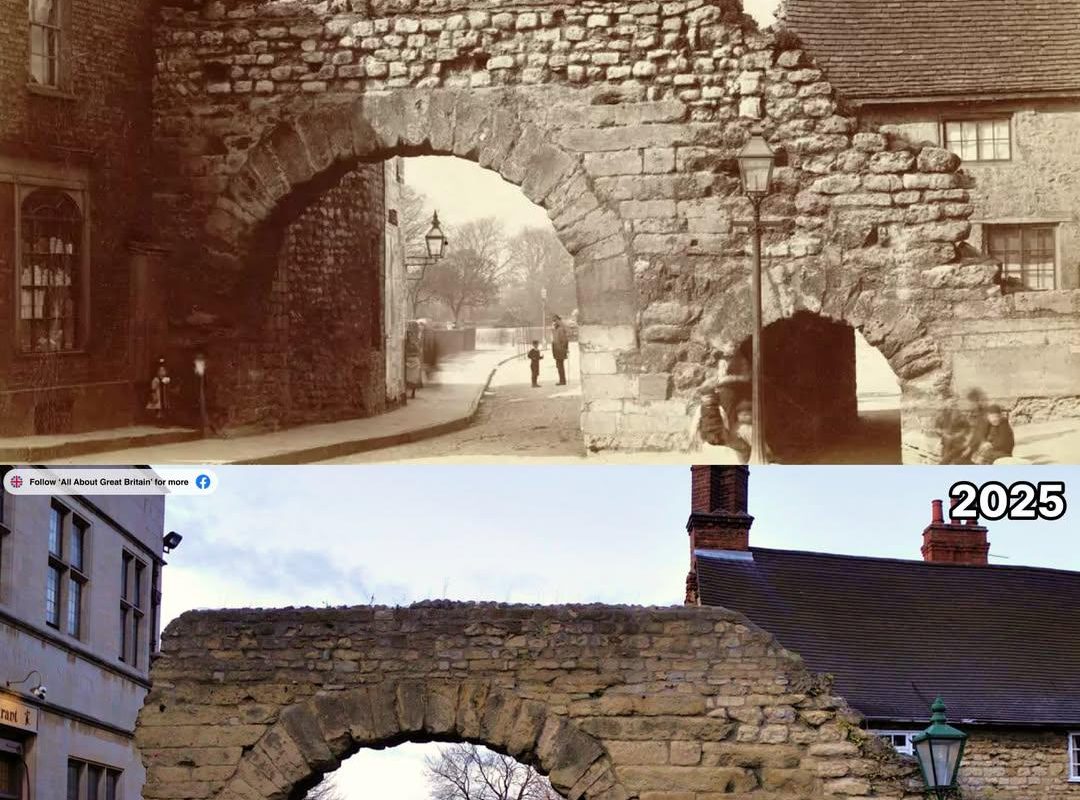
Newport Arch in Lincoln, a 3rd-century Roman gate and the UK’s oldest arch still used by traffic.
Discover Newport Arch: Lincoln’s Timeless Roman Gateway and the UK’s Oldest Traffic Arch
Introduction
Standing proudly in the heart of Lincoln, Newport Arch isn’t just a relic of the past—it’s a living testament to Roman engineering that still serves a purpose 1,800 years after its creation. As the oldest arch in the UK still used by traffic, this 3rd-century marvel offers a tangible link to Britain’s Roman era. In this guide, we explore Newport Arch’s storied history, architectural secrets, and enduring legacy.
Newport Arch: A Portal to Roman Britain
Built around 200 AD, Newport Arch formed the northern gate of Lindum Colonia—a Roman fortress-turned-colony that evolved into modern Lincoln. Originally part of a larger defensive wall, the arch straddled Ermine Street, a vital Roman road connecting London to York. While much of Lindum’s walls have vanished, Newport Arch survives as one of Britain’s best-preserved Roman gateways—and the sole example still functioning as a public thoroughfare.
Key Historical Highlights:
- Military Origins: Erected during the reign of Emperor Septimius Severus, it guarded Lincoln’s northern approach.
- Survival Against the Odds: Withstood Saxon raids, medieval expansion, and even a 1964 truck collision that required reconstruction.
- Symbol of Continuity: Used continuously since Roman times, bridging ancient and modern Lincoln.
Architectural Brilliance: How Newport Arch Defies Time
Newport Arch exemplifies Roman ingenuity. Crafted from Lincolnshire limestone, its original structure featured a central carriageway flanked by two pedestrian arches. Though only the northern half remains, the 4-meter-wide arch showcases classic Roman design:
- Rusticated Stonework: The rough-hewn blocks provided durability against weather and war.
- Strategic Height: Tall enough to accommodate Roman carts, yet low enough to deter invaders (modern vehicles must navigate carefully!).
- Functional Legacy: Its continued use underscores the Romans’ knack for creating infrastructure built to last.
Newport Arch Today: Where Ancient Meets Everyday
Unlike static museum pieces, Newport Arch thrums with modern life. Cars, cyclists, and pedestrians pass beneath its weathered stones daily—a rare fusion of heritage and utility. However, preservation challenges persist:
- Traffic Strains: Weight restrictions and protective bollards help shield the arch from damage.
- Pedestrian Caution: Visitors are urged to stay alert while admiring it up close.
- Conservation Efforts: Managed by English Heritage, ongoing projects ensure this landmark endures for future generations.
Visitor Tips:
- Best Photo Spots: Capture the arch from the sidewalk on Bailgate or explore surrounding Roman sites like the Lower City Wall.
- Nearby Attractions: Lincoln Cathedral (a medieval masterpiece), the Museum of Lincolnshire Life, and the Roman-themed “Empire” art trail.
- Guided Walks: Join a Roman Lincoln tour to contextualize the arch within Lindum Colonia’s broader history.
Why Newport Arch Matters
Newport Arch is more than a historical curiosity—it embodies Lincoln’s layered identity. As historian Dr. Simon James notes, “It’s extraordinary to drive through the same arch Roman soldiers once marched under.” This seamless blend of ancient and modern makes it a bucket-list destination for history lovers, architects, and curious travelers alike.
FAQs About Newport Arch
-
Is Newport Arch the oldest Roman structure in Britain?
While older Roman ruins exist (like Hadrian’s Wall), Newport Arch is the oldest frestanding arch still used by traffic in the UK. -
Can you walk through Newport Arch?
Yes—exercise caution due to traffic, but pedestrians can traverse the same path Romans did centuries ago. -
Was Newport Arch part of a larger complex?
Originally, it was one of four city gates connected by walls enclosing Lindum Colonia’s upper town.
Conclusion: Lincoln’s Eternal Roman Guardian
Newport Arch stands as a humble yet profound monument to Roman Britain’s legacy. Its endurance through millennia of change—from empire to modern city—makes it a symbol of resilience and adaptability. For travelers seeking a unique encounter with history, few sites rival the thrill of walking (or driving) through this ancient gateway.
Plan Your Visit:
- Address: Bailgate, Lincoln, LN1 3DQ.
- Access: Free to view year-round; no ticket required.
- Pro Tip: Pair your visit with Lincoln’s Imps Festival in October, celebrating the city’s Roman roots.
Uncover the genius of Roman engineering—stand where legionaries stood, and witness Newport Arch’s timeless role in Lincoln’s story. 🏛️🚗