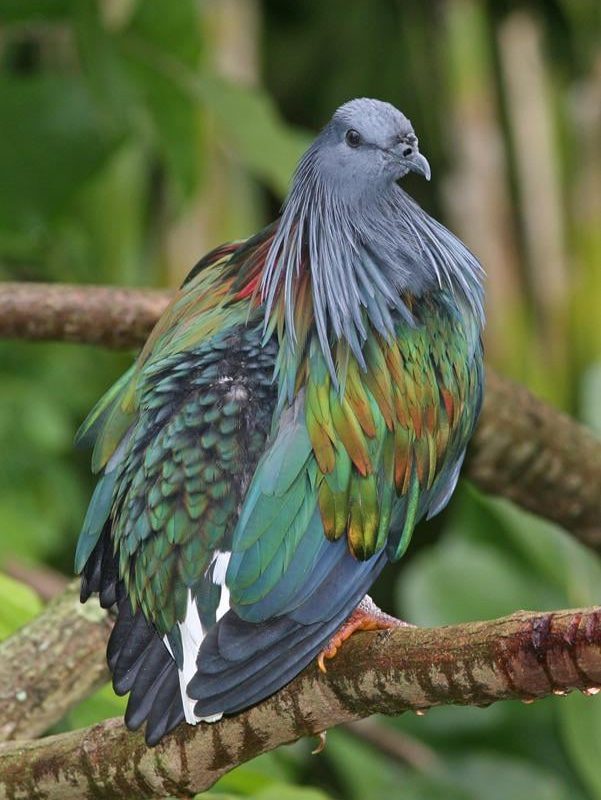
Nicobar pigeon, the closest living relative of the extinct dodo bird.
Title: The Nicobar Pigeon: Meet the Closest Living Relative of the Extinct Dodo Bird
Meta Description: Discover the stunning Nicobar Pigeon, the closest living link to the extinct dodo bird. Learn about its habitat, unique features, and conservation story.
Introduction
The dodo bird, an icon of extinction, famously vanished from Mauritius in the late 17th century. But did you know its closest living relative still flies (and struts) today? Meet the Nicobar pigeon (Caloenas nicobarica), a dazzling, jewel-toned bird that shares deep evolutionary roots with the dodo. In this article, we explore the biology, habitat, and conservation of this extraordinary species—and why protecting it matters for understanding our planet’s ecological history.
What is the Nicobar Pigeon?
The Nicobar pigeon is a large, ground-dwelling pigeon native to small islands and coastal forests in Southeast Asia. Unlike its plainer urban relatives, this bird is a living kaleidoscope: its iridescent green-and-copper feathers shimmer in sunlight, while its crisp white tail contrasts dramatically with its metallic body. It’s the only living member of the genus Caloenas and holds a special place in science as the closest genetic relative of two legendary extinct birds: the dodo (Raphus cucullatus) and the Rodrigues solitaire (Pezophaps solitaria).
Key Features:
- Size: Up to 16 inches (40 cm) long.
- Appearance: Emerald-green hackles, bronze wings, and bright red legs.
- Distinctive Trait: A small, curved black bill and a cluster of hair-like feathers around its neck.
- Flight: Capable of strong, swift flight despite spending much time foraging on the forest floor.
The Dodo Connection: Evolutionary Links
Scientists confirmed the Nicobar pigeon’s status as the dodo’s closest living cousin through DNA analysis. Both birds belong to the Columbidae family, but they split into separate subfamilies (Raphinae for the dodo and solitaire, and Columbinae for pigeons like the Nicobar) around 30–40 million years ago.
Shared Traits:
- Island Adaptations: Like the dodo, the Nicobar pigeon evolved in isolated island ecosystems, leading to fearless behaviors and ground-nesting habits.
- Seed Dispersal Role: Both species played vital roles in spreading seeds across their habitats, contributing to forest regeneration.
While the dodo lost its ability to fly due to island life free of predators, the Nicobar pigeon retained strong wings—a trait that likely helped it survive human impacts.
Habitat and Distribution
Nicobar pigeons inhabit tropical islands and coastal regions, favoring dense forests and mangroves where they can forage safely. Their range stretches from the Andaman and Nicobar Islands (India)—after which they’re named—to Indonesia, the Philippines, Papua New Guinea, and the Solomon Islands. These birds are highly social, often seen in flocks that roost together on offshore islets to evade predators like monitor lizards and rats.
Threats to Habitat:
- Deforestation: Logging and land conversion for agriculture destroy nesting sites.
- Invasive Species: Rats, cats, and snakes raid their ground nests.
- Hunting & Pet Trade: Their striking looks make them targets for the illegal wildlife trade.
Diet and Behavior
Nicobar pigeons are omnivorous ground feeders. Their diet includes:
- Seeds, especially from tropical fruit trees.
- Berries, grains, and small invertebrates like insects and snails.
They use their strong beaks to crack hard-shelled nuts, acting as “gardeners” for their ecosystems by dispersing seeds over wide areas via droppings.
Unique Behavior:
- Nomadic Lifestyle: Flocks travel between islands seasonally to find food.
- Vocalizations: Deep, repetitive coos to communicate with mates or signal danger.
Conservation Status
The Nicobar pigeon is listed as Near Threatened by the IUCN Red List. Population declines are driven by:
- Habitat loss from mining and infrastructure projects.
- Capture for the pet trade (despite legal protection under CITES Appendix I).
- Plastic pollution, which they mistake for food on beaches.
Hope for Survival:
Protected areas in Palau, the Nicobar Islands, and Indonesia offer sanctuaries. Conservationists advocate for stricter anti-poaching laws and habitat restoration. Ecotourism also raises awareness about this avian gem.
Why Protecting the Nicobar Pigeon Matters
Saving the Nicobar pigeon isn’t just about preserving a beautiful bird—it’s about safeguarding a living relic of evolutionary history. As the last close relative of the dodo, studying its genetics and ecology helps scientists reconstruct the dodo’s biology and role in extinct island ecosystems. Moreover, healthy Nicobar populations indicate thriving forests, benefiting countless other species.
FAQs About the Nicobar Pigeon
1. Can Nicobar pigeons be kept as pets?
No. They’re protected internationally, and captive breeding is rare outside conservation programs.
2. How long do Nicobar pigeons live?
Up to 12–15 years in the wild; longer in captivity under ideal conditions.
3. Are they endangered like the dodo?
Not yet, but they face rising threats. Conservation action is critical to prevent their decline.
4. How many Nicobar pigeons remain?
Exact numbers are unclear, but estimates suggest 10,000–30,000 mature individuals.
Conclusion: A Living Legacy
The Nicobar pigeon is more than a tropical curiosity—it’s a bridge to our planet’s past and a reminder of the fragility of island biodiversity. By supporting habitat conservation and combating wildlife trafficking, we can ensure this dazzling “dodo cousin” thrives for future generations.
Final Tip for Readers: Share this article to spread awareness! The more people know about the Nicobar pigeon’s story, the stronger the fight to protect it.
Target Keywords: Nicobar pigeon, dodo bird relative, extinct dodo, Caloenas nicobarica, endangered pigeons, island birds, bird conservation.
Alt Text for Imagery (if included): “Nicobar pigeon displaying iridescent green and bronze plumage in a tropical forest.”
By crafting content around the Nicobar pigeon’s unique story and ecological importance, this article aims to rank for both informational and conservation-focused searches while educating readers about Earth’s irreplaceable biodiversity.