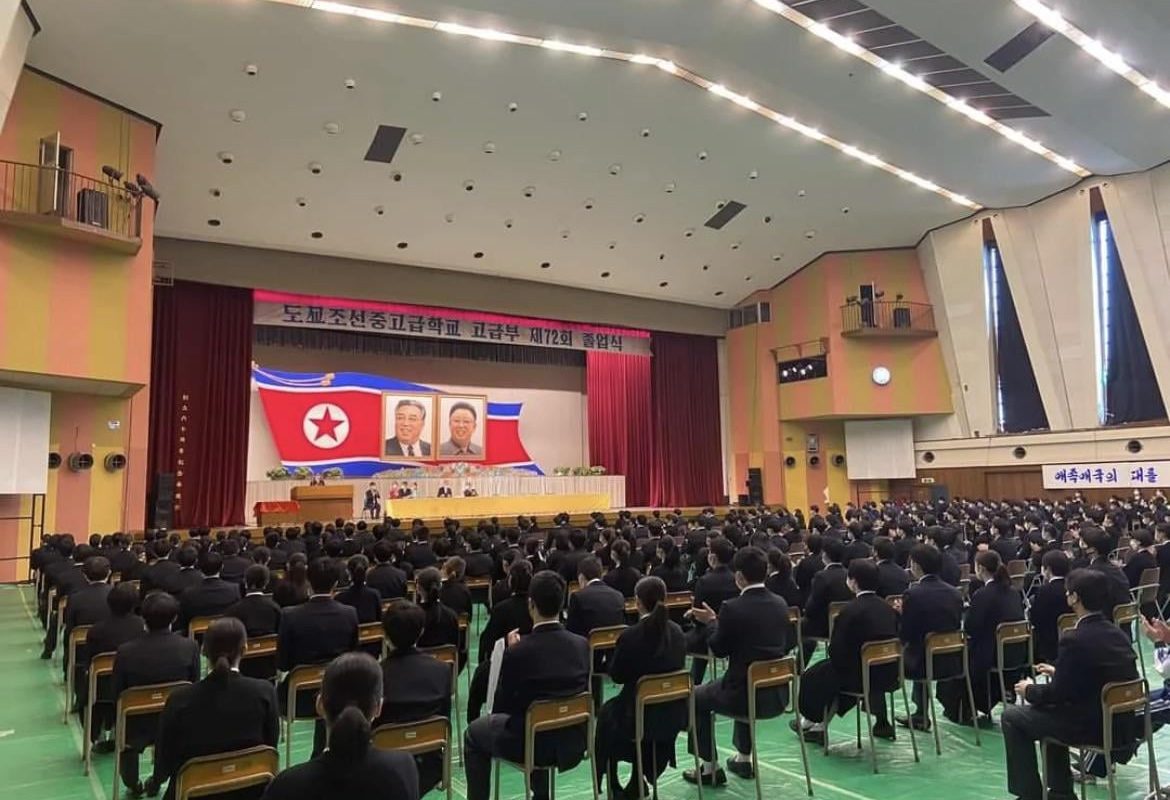
North Korean school in Japan
Meta Title: North Korean Schools in Japan: History, Challenges, and Cultural Identity
Meta Description: Explore the history, curriculum, controversies, and cultural significance of North Korean schools in Japan, operated by Chongryon for the Zainichi Korean community.
North Korean Schools in Japan: Preserving Identity Amidst Political Tensions
North Korean schools in Japan, known locally as Chōsen gakkō (朝鮮学校), represent a fascinating yet controversial chapter in Japan’s educational and multicultural landscape. Operated by Chongryon (General Association of Korean Residents in Japan), these institutions serve the ethnic Korean community—Zainichi Koreans—while maintaining cultural and ideological ties to North Korea. This article delves into their history, structure, challenges, and role in preserving Korean identity in Japan.
Historical Context: Why Do North Korean Schools Exist?
At the end of World War II in 1945, roughly 2 million Koreans resided in Japan, many as forced laborers under Japanese colonial rule (1910–1945). After Korea’s division in 1948, the Zainichi community split along political lines:
- Chongryon (pro-North Korea) and Mindan (pro-South Korea) emerged as rival organizations.
- Chongryon established its own schools in 1946 to teach Korean language, history, and culture, countering assimilation into Japanese society.
By the 1960s, over 200 Chongryon-run schools operated across Japan. Though enrollment peaked in the 1970s, tensions with Japan and shifting political dynamics led to a gradual decline.
Inside Chongryon Schools: Education & Curriculum
North Korean schools emphasize cultural preservation alongside standard academics:
- Language & Culture: Korean is the primary language of instruction, with curricula covering traditional dance, music, and Chosŏn’gŭl (Korean script).
- Political Ideology: Lessons praise North Korea’s leadership (e.g., Kim Il Sung’s Juche philosophy) and commemorate national holidays like the Day of the Sun (Kim Il Sung’s birthday).
- Academic Recognition: Despite rigorous STEM and humanities programs, these schools lack official accreditation under Japan’s educational laws. Graduates face barriers in university admissions and employment.
Challenges & Controversies
1. Political Stigma & Discrimination
Chongryon schools face criticism for alleged ties to North Korea’s regime, particularly after missile tests and abductions of Japanese citizens. This stigma has led to:
- Exclusion from tuition subsidies: Unlike other private schools, Chongryon schools were denied Japan’s free education program until 2023, when courts ruled the policy discriminatory.
- Social Marginalization: Students report bullying, and graduates have faced discrimination in hiring.
2. Declining Enrollment
From 40,000+ students in the 1970s, enrollment fell to under 6,000 by 2023 due to:
- Assimilation of younger Zainichi generations into Japanese society.
- Rising South Korean cultural influence.
- Fear of backlash due to geopolitical tensions.
3. Funding Crises
Chongryon relies on donations from North Korea and the community, but sanctions and economic collapse in Pyongyang have strained resources. Some schools have closed or merged.
Cultural Significance: Identity Beyond Politics
Despite controversies, alumni argue these schools serve as cultural lifelines:
- Resisting Assimilation: Schools maintain Korean identity in a society where Zainichi face pressure to adopt Japanese names and customs.
- Community Hubs: They host events like Korean harvest festivals (Chuseok) and football tournaments, fostering solidarity among diaspora youth.
- Neutralizing Radicalism: Experts note schools have increasingly downplayed political rhetoric, focusing on language and heritage instead.
The Future: Integration vs. Tradition
Recent shifts suggest a path toward normalization:
- Legal Wins: Courts in Osaka and Tokyo mandated tuition subsidies, citing constitutional rights to equality.
- Curriculum Reforms: Schools now incorporate more Japan-related content to improve graduate employability.
- Dialogue Initiatives: Younger Chongryon leaders seek to rebrand schools as multicultural assets rather than political symbols.
Conclusion
North Korean schools in Japan reflect the complexity of diaspora identity in a politicized world. While ideological ties to Pyongyang invite scrutiny, their role in preserving Korean heritage for marginalized Zainichi cannot be overlooked. As Japan diversifies, these institutions may yet evolve into bridges—not barriers—between cultures.
FAQs About North Korean Schools in Japan
Q1: How many North Korean schools operate in Japan today?
Approximately 70 schools remain, down from 200+ in the 20th century.
Q2: Can Japanese students attend Chongryon schools?
Yes, but enrollment is rare—most students are ethnic Koreans.
Q3: Are Chongryon schools banned in Japan?
No, though they lack accreditation and face funding hurdles.
Q4: Do graduates support North Korea’s government?
Most align with the Zainichi identity, and many criticize Pyongyang’s policies.
Keywords for SEO:
North Korean schools Japan, Chongryon schools, Zainichi Korean education, Chōsen gakkō, Korean diaspora Japan, Chongryon curriculum, Japan multiculturalism, ethnic schools in Japan.
Optimize this article for search engines with internal/external links to reputable sources (e.g., Human Rights Watch reports, Japan Times articles) and localized keywords like “Osaka Chongryon school” or “Tokyo Korean international school.”