Octopus goes invisible in seconds
Title: Masters of Disguise: How the Octopus Vanishes in Seconds
Meta Description: Discover the jaw-dropping science behind how octopuses camouflage instantly—masters of color, texture, and light manipulation. Dive deep into their invisible artistry!
H1: Octopuses Can Vanish in Seconds—Here’s How They Master Stealth
Imagine turning invisible in the blink of an eye—no CGI, no tricks. For octopuses, this isn’t science fiction. These intelligent cephalopods can disappear into their surroundings faster than you can say “camouflage.” Their ability to change color, texture, and even reflect light allows them to evade predators, ambush prey, and communicate—all in seconds. Let’s unravel the biological wizardry that makes octopuses nature’s ultimate illusionists.
H2: The Science of Octopus Invisibility
H3: Chromophores—The Color-Changing Superstars
Octopuses owe their vanishing act to specialized skin cells called chromatophores. Each chromatophore is a tiny, elastic sac filled with pigment and surrounded by muscles. When the octopus flexes these muscles, the sacs expand or contract, revealing or hiding colors like red, brown, yellow, or black. This happens in milliseconds—faster than human eyes can track.
H3: Iridophores and Leucophores—Masters of Light
But color alone isn’t enough. Octopuses also use iridophores (light-reflecting cells) and leucophores (light-scattering cells) to mimic their surroundings. Iridophores act like mirrors, bending light to match the hues of coral or rocks. Leucophores bounce ambient light back, blending the octopus into bright backgrounds like sand. Together, they create a 360° camouflage net.
H3: Papillae—Texture-Shifting Skin
The final flourish? Their skin can morph into bumps, spikes, or folds thanks to papillae—tiny pillars of muscle-controlled tissue. This lets them mimic algae, rocks, or even venomous animals like lionfish.
H2: How Octopuses “Think” in Color and Texture
Octopuses don’t have a centralized brain like humans. Instead, their nervous system is decentralized, with two-thirds of neurons in their arms. This allows their skin to “see” and react independently. Scientists believe their eyes detect ambient light and patterns, triggering their skin to sync with the environment—no conscious thought required.
H2: Real-World Octo-Camouflage: Jaw-Dropping Examples
- Mimic Octopus: This species impersonates sea snakes, flounders, and crabs through dynamic poses and color shifts.
- Coconut Octopus: Uses shells or debris to build shelters while blending seamlessly into cluttered seabeds.
- Day Octopus: Changes color 177 times per hour while hunting—faster than Instagram filters!
H2: Why Do Octopuses Disappear? Survival Superpowers
- Escape Predators: Sharks, eels, and dolphins rely on sight—so invisibility = lifesaving.
- Ambush Hunting: Octopuses become “one with the reef” to snatch unsuspecting crabs or fish.
- Communication: Color flashes warn rivals or attract mates in the silent deep.
H3: How Fast Is “Invisible?” Faster Than You Think!
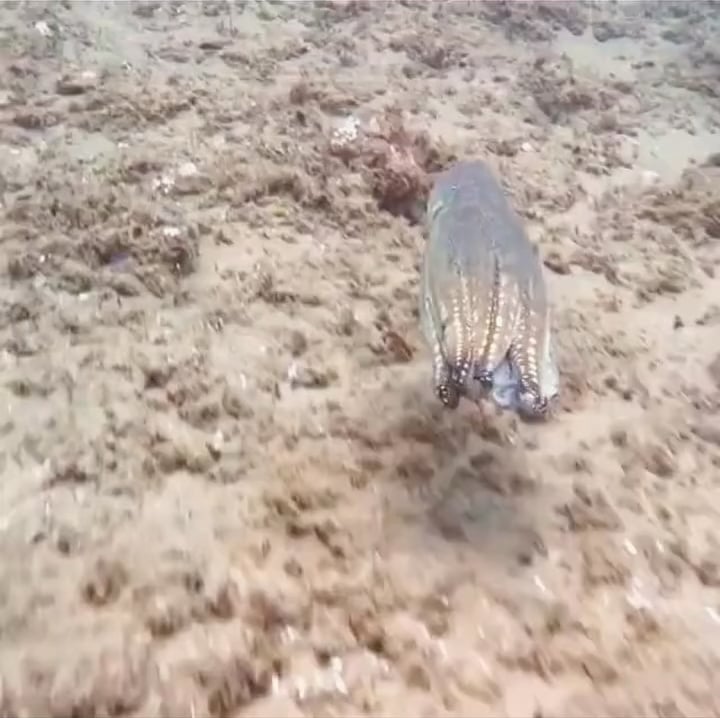
Research shows octopuses change color in under 0.3 seconds—5x faster than human blinks. Their camouflage isn’t perfect (shadows or movement may betray them), but in chaotic ocean environments, it’s staggeringly effective.
H2: What Humans Can Learn From Octopus Camouflage
Scientists study octopus skin to inspire breakthroughs in adaptive materials:
- Military stealth tech that mimics surroundings in real time.
- Medical bandages that adjust to skin tones for healing.
- “Smart” fabrics for fashion or architecture.
H2: FAQs About Octopus “Invisibility”
Q: Can octopuses camouflage in total darkness?
A: They rely on vision, so pitch-black environments limit color shifting—but papillae still alter texture.
Q: Do all octopus species camouflage?
A: Most do, but deep-sea octopuses (where light is scarce) prioritize bioluminescence.
Q: Can octopuses mimic human-made objects?
A: Yes! Lab studies show they replicate checkerboards, stripes, and even Hello Kitty prints.
H2: Conclusion: Nature’s Greatest Illusionists
Octopuses redefine “hide and seek” with their split-second camouflage. By mastering light, color, and texture, they turn the ocean into their stage—surviving and thriving through biomolecular artistry. Next time you see a coral reef, look closer: a silent, watchful octopus might be right in front of you.
SEO Optimization Tips for This Article:
- Keywords: “octopus camouflage,” “how octopuses disappear,” “invisible octopus,” “chromatophores explained,” “cephalopod color change.”
- Headers: Scannable H2/H3s with keyword variations.
- Backlinks: Link to studies (e.g., Journal of Experimental Biology) or marine conservation orgs.
- Image Alt Tags: “Octopus blending into coral reef,” “close-up of chromatophores.”
By explaining the science in relatable terms and highlighting real-world examples, this article targets both curious readers and SEO algorithms—making it a win-win for engagement and rankings! 🐙✨