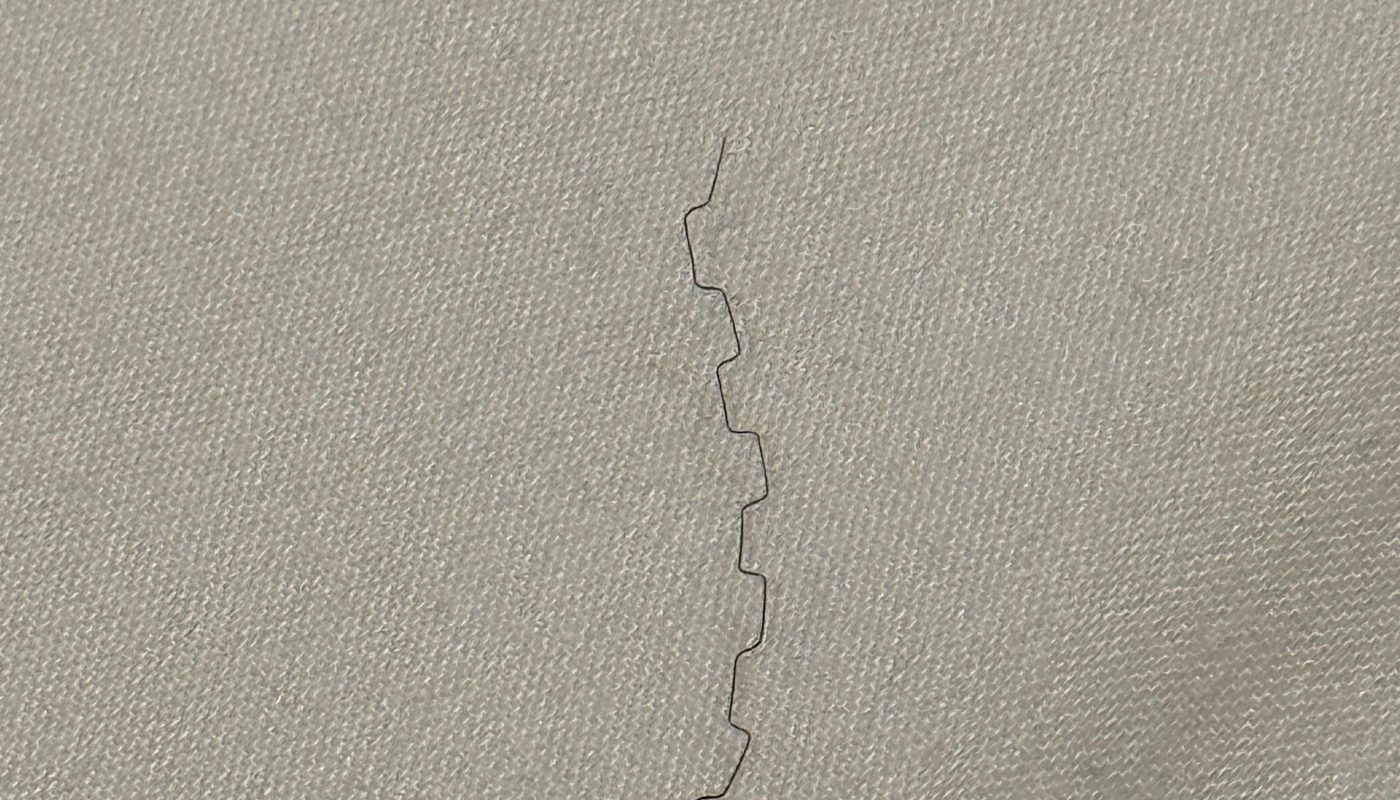
Odd pattern on strand of hair
Title: Understanding the Odd Pattern on a Strand of Hair: Causes, Solutions, and When to Seek Help
Meta Description: Discover what causes odd patterns, ridges, or discoloration on strands of hair. Learn about potential underlying conditions, treatments, and when to consult a professional.
Introduction: The Mystery of Unusual Hair Patterns
Hair is one of the most visible features of our body, and changes in its texture, color, or structure can be puzzling. If you’ve ever spotted an odd pattern on a single strand of hair—like ridges, beads, loops, or bands of discoloration—you might wonder if it’s a sign of a health issue, genetic quirk, or simply environmental damage. This article explores the science behind strange hair patterns, their possible causes, and actionable steps to address them.
Common Odd Hair Patterns and Their Causes
1. Ridges or Grooves (Pili Annulati)
- Appearance: Horizontal ridges or alternating light/dark bands under a microscope.
- Cause: A rare genetic condition causing air pockets within the hair shaft.
- Is It Harmful? Purely cosmetic; no impact on hair strength or health.
2. Beaded Hair (Monilethrix)
- Appearance: Hair appears beaded or “string of pearls” due to nodes and constrictions.
- Cause: Genetic mutation affecting keratin production.
- Symptoms: Brittle hair, breakage, and scalp irritation.
3. White Bands (Flag Sign)
- Appearance: Horizontal white bands contrasting with the hair’s natural color.
- Cause: Nutrient deficiencies (e.g., protein, zinc) or severe stress interrupting pigment production.
4. Knots or Loops (Trichonodosis)
- Appearance: Single strands tangled into knots or loops.
- Cause: Mechanical damage from rough brushing, styling, or friction (e.g., cotton pillowcases).
5. Bubble-Like Bulges (Bubble Hair)
- Appearance: Weak, swollen sections resembling bubbles.
- Cause: Heat damage from tools (hair dryers, straighteners) boiling moisture inside the hair shaft.
6. Pili Multigemini (Multiple Hairs from One Follicle)
- Appearance: A thick strand that splits into 2–8 smaller hairs mid-shaft.
- Cause: Genetic or hormonal factors causing fused follicles.
When to Worry: Medical Red Flags
Most odd hair patterns are harmless, but certain signs warrant professional evaluation:
- Sudden changes in hair texture or color.
- Accompanying symptoms: Hair loss, scalp pain, rashes, or fatigue (possible thyroid issues, anemia, or autoimmune disorders like alopecia).
- Family history of genetic hair disorders.
Consult a dermatologist or trichologist if patterns persist or worsen.
How to Treat and Prevent Unusual Hair Patterns
Prevention Tips
- Gentle Styling: Avoid high heat, tight hairstyles, and harsh chemicals.
- Nutrient-Rich Diet: Prioritize protein, biotin (eggs, nuts), iron (spinach, lentils), and vitamins A/E.
- Scalp Care: Use moisturizing shampoos and minimize friction during sleep (silk pillowcases).
Treatment Options
- For Genetic Conditions: No cure, but topical minoxidil or keratin treatments can strengthen hair.
- For Deficiencies: Supplements may resolve discoloration (iron, B12).
- For Damage: Trim split ends; use deep-conditioning masks.
Frequently Asked Questions (FAQs)
Q: Can stress cause hair patterns to change?
A: Yes! Severe stress (telogen effluvium) can trigger shedding and pigment loss, creating temporary white bands.
Q: Are these patterns linked to aging?
A: Aging reduces melanin production (graying), but ridges or knots are more often due to damage.
Q: Can I diagnose myself based on hair patterns alone?
A: No — consult a professional. Hair analysis under a microscope can identify structural issues.
Conclusion: Knowledge Empowers Healthy Hair
Odd patterns on your hair are often harmless quirks, but staying informed helps you distinguish between genetic traits, damage, or potential health signals. Prioritize a holistic approach—gentle care, balanced nutrition, and professional guidance—to keep your strands strong and vibrant.
Call to Action: If you’ve noticed persistent changes in your hair, schedule a consultation with a trichologist or dermatologist for personalized advice.
Keywords for SEO:
odd hair patterns, ridge in hair strand, beaded hair, white bands in hair, hair shaft disorders, pili annulati, monilethrix, trichonodosis, bubble hair, hair damage causes