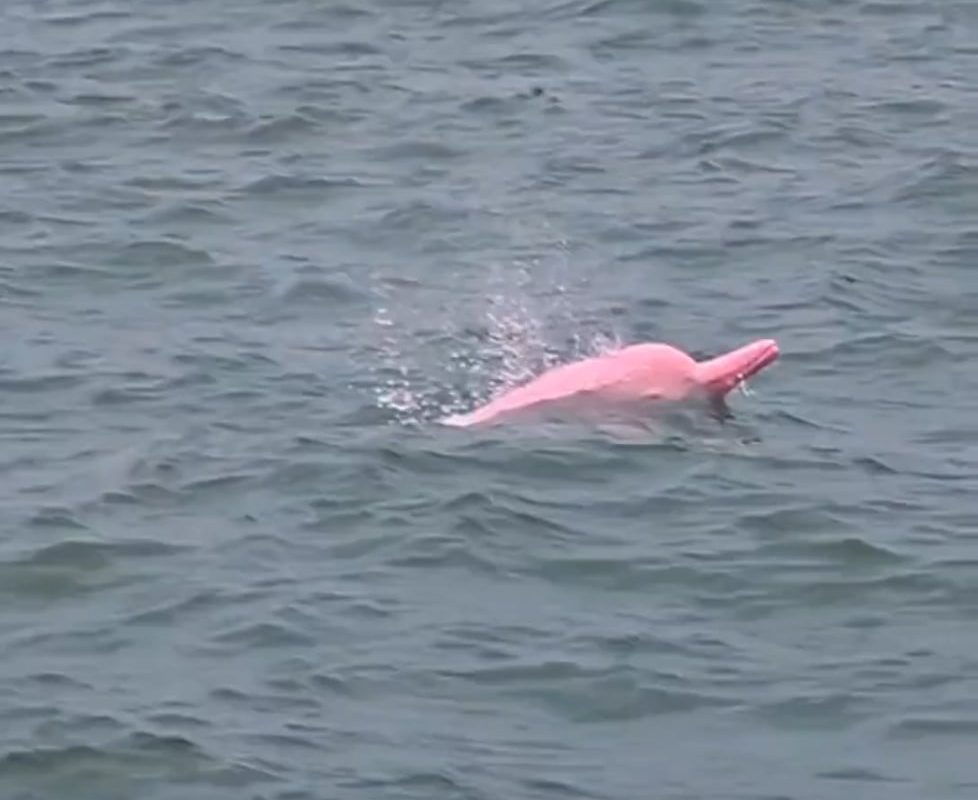
One of the rarest dolphin species in the world its naturally pink
Title: The Enigmatic Pink River Dolphin: Unveiling the Secrets of the Amazon’s Rarest Jewel
Meta Description: Discover the Amazon Pink River Dolphin — one of the world’s rarest and most captivating dolphins, renowned for its natural pink hue. Learn about its habitat, threats, and conservation efforts.
The Pink Marvel of the Rivers: Meet the Amazon River Dolphin
Deep within the lush rainforests of South America, hidden in the murky waters of the Amazon and Orinoco river basins, swims one of nature’s most extraordinary wonders: the pink river dolphin (Inia geoffrensis). Known locally as the boto, this elusive freshwater cetacean isn’t just unique for its striking pink coloration—it’s also one of the rarest dolphin species on Earth.
In this article, we dive into the mysteries surrounding this iconic creature, exploring why it’s pink, where it lives, and why its survival hangs in the balance.
Why Is This Dolphin Pink? The Science Behind the Hue
Unlike ocean dolphins, the Amazon river dolphin’s pink skin isn’t a myth or a trick of the light—it’s a fascinating biological trait.
- Natural Pigmentation: While calves are born gray, adults develop a rosy hue over time. Scientists believe this results from blood capillaries near the skin’s surface, which become visible as the dolphin ages. Activity levels, temperature, and even emotional states (like excitement) may intensify the pink shade.
- Camouflage or Adaptation? Some theories suggest the pink color helps blend into reddish river sediments during wet seasons. Others propose it’s simply an evolutionary quirk with no direct purpose.
Either way, their bubblegum-pink appearance, bulbous foreheads, and long snouts make them unmistakable.
Home Sweet Home: Habitat of the Amazon’s Pink Dolphin
This rare species thrives exclusively in freshwater ecosystems, spanning:
- Countries: Brazil, Peru, Bolivia, Colombia, Ecuador, and Venezuela.
- Habitats: Slow-moving rivers, tributaries, flooded forests (during the rainy season), and lagoons.
Unlike marine dolphins, pink river dolphins have evolved flexible necks (to navigate submerged trees) and reduced dorsal fins—perfect for their complex, vegetation-rich environments.
Why Are Pink River Dolphins So Rare? Threats to Survival
Listed as Endangered by the IUCN, fewer than 30,000 individuals remain. Here’s why:
-
Habitat Destruction:
- Dams disrupt migration and isolate populations.
- Deforestation lowers oxygen levels and destroys feeding grounds.
- Pollution from gold mining (mercury) and agriculture contaminates waterways.
-
Bycatch & Hunting:
- Dolphins get entangled in fishing nets (gillnets) targeting commercial fish.
- In some regions, they’re hunted for bait or traditional remedies.
-
Food Scarcity: Overfishing reduces their prey, including piranhas and catfish.
Conservation Efforts: Can We Save the Pink Dolphin?
Hope isn’t lost! Organizations like the WWF, Amazon Environmental Research Institute (IPAM), and local communities are fighting to protect them:
- Protected Reserves: Creating safe zones in critical habitats.
- Sustainable Fishing: Promoting dolphin-safe nets and stricter regulations.
- Ecotourism: Responsible tours raise awareness and fund conservation.
How You Can Help:
- Support NGOs working in the Amazon.
- Choose sustainably sourced fish.
- Spread awareness about the species.
Myth & Magic: The Dolphin’s Cultural Legacy
In Amazonian folklore, the pink dolphin is a shapeshifter—a mystical being that morphs into a handsome human at night to seduce villagers. Many locals revere them as guardians of the river, forbidding harm to the boto. These legends highlight the deep connection between communities and this iconic animal.
Conclusion: A Living Treasure Worth Protecting
The Amazon pink river dolphin is more than a curiosity—it’s a vital part of aquatic biodiversity and a symbol of the Amazon’s fragile beauty. By understanding and safeguarding this rare species, we protect not just a dolphin, but an entire ecosystem teeming with life.
Join the cause today—because the world deserves to keep its pink wonder.
SEO Keywords: Pink river dolphin, Amazon river dolphin, boto, rare dolphin species, endangered dolphins, pink dolphins, freshwater dolphins, Amazon wildlife conservation, why are dolphins pink, Inia geoffrensis.
Image Alt Text: “Pink Amazon river dolphin surfacing in murky river waters.”
Internal Linking Opportunities:
- [Link to related article: 5 Endangered Amazon Animals and How to Help]
- [Link to article: The Role of Wetlands in Freshwater Ecosystems]
External Resources:
- World Wildlife Fund (WWF) Amazon Initiatives
- IUCN Red List Entry for the Amazon River Dolphin
By optimizing for search intent and weaving in keywords naturally, this article aims to rank for queries like “pink dolphin species,” “why are Amazon dolphins pink,” and “how to save pink river dolphins.”