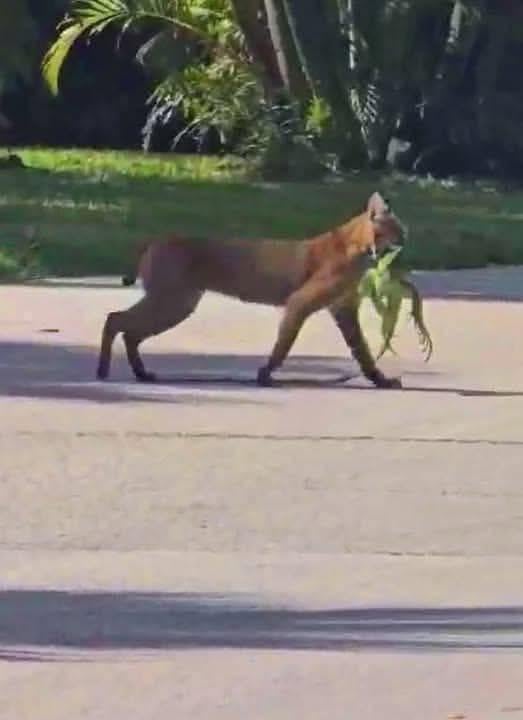
Only In Florida: Bobcat with large iguana in its mouth
Title: Only In Florida: Stunning Photo Shows Bobcat Carrying Large Iguana in Its Jaw
Meta Description: Witness the wild side of the Sunshine State! Discover why a viral photo of a Florida bobcat with a massive iguana in its mouth perfectly captures the state’s untamed ecosystems and ongoing battle with invasive species.
Florida’s Wild Side: Bobcat vs. Iguana – A Photo That’s Peak “Florida Man” Energy… For Wildlife
Florida has long been synonymous with surreal headlines – think “Florida Man wrestles alligator” or “Invasion of giant snails” – but its natural ecosystems deliver just as much drama. Recently, a striking photo went viral: a stealthy bobcat prowling through suburban Florida with a massive green iguana clamped firmly in its jaws. This jaw-dropping snapshot isn’t just a testament to the state’s wild beauty—it’s a microcosm of Florida’s delicate ecological balance and its struggle with invasive species.
Why This Image Is So Uniquely “Florida”
-
The Ultimate Predator-Prey Florida Faceoff
Bobcats (Lynx rufus floridanus) are native ambush predators thriving in Florida’s swamps, forests, and increasingly, suburban neighborhoods. Known for their elusive nature, spotting one is rare—let alone capturing it mid-hunt. Green iguanas (Iguana iguana), on the other hand, are invasive giants plaguing the state, devouring gardens, and destabilizing canal banks. Seeing these two species collide in a primal predator-prey moment is Florida wildlife at its most raw. -
Iguanas: Florida’s Unwelcome Reptilian Residents
Thanks to Florida’s balmy climate and lack of natural predators, green iguanas exploded in population after escaping captivity in the 1960s. These herbivorous reptiles grow up to 5 feet long and wreak havoc on native plants and infrastructure. While cold snaps occasionally knock back their numbers, bobcats are now stepping in as unlikely pest controllers—a rare win for ecological balance. -
Suburban Wilderness: Where Concrete Meets the Wild
Unlike many states, Florida’s rapid urbanization hasn’t fully pushed wildlife out. Bobcats, alligators, and even panthers often wander into backyards, golf courses, and parking lots. The viral photo likely came from a South Florida neighborhood—proof that the line between “urban” and “wild” is razor-thin here.
Bobcats: Florida’s Underrated Apex Predators
Though overshadowed by alligators and panthers, bobcats play a critical role in controlling rodents, rabbits, and invasive reptiles. Adults weigh 15–35 pounds and hunt primarily at dusk or dawn. Their ability to adapt to human landscapes makes them vital—and enigmatic—neighbors.
Did you know?
- Bobcats rarely target large prey, but juveniles and invasive iguanas are fair game.
- Florida’s bobcat population is healthy, but habitat loss threatens long-term survival.
Iguanas: From Pets to Pests
Green iguanas aren’t just a nuisance—they’re an ecological time bomb:
✅ Invasive Impact: They outcompete native species like the threatened Miami blue butterfly.
✅ Property Damage: Their burrowing weakens seawalls and foundations.
✅ No Natural Predators: Except now… bobcats, birds of prey, and occasional alligators.
The Florida Fish and Wildlife Conservation Commission (FWC) encourages humane removal but advises against relocating iguanas (they’ll just spread). Ironically, bobcats are filling a gap in population control.
The Bigger Picture: Florida’s Battle for Balance
This bobcat’s iguana hunt underscores Florida’s ongoing struggle to manage invasive species while protecting native wildlife. From pythons in the Everglades to lionfish offshore, the state spends millions yearly on mitigation. Yet nature sometimes provides its own solutions—like a hungry bobcat doing its part.
FAQs: Bobcats, Iguanas, and Florida’s Wild Mystique
Q: Is it common for bobcats to eat iguanas?
A: While not their primary food source, bobcats are opportunistic. Juveniles and smaller iguanas are vulnerable—especially as iguanas spread northward.
Q: Are iguanas dangerous to pets or humans?
A: Generally no, but they can bite if cornered. Their real threat is ecological.
Q: Can I feed or approach a bobcat?
A: Never. Bobcats avoid humans but may attack if provoked. Observe from a distance and secure pets.
Q: Why doesn’t Florida eradicate iguanas entirely?
A: Eradication is near-impossible, but the FWC promotes population control through licensed removal.
Why Floridians Aren’t Even Surprised
For locals, such scenes are just “Tuesday.” Florida’s mix of tropical wilderness, invasive species, and suburban sprawl creates daily wildlife spectacles. Whether it’s a bobcat snacking on an iguana, an alligator crossing a highway, or a flock of peacocks blocking traffic, the state remains a living reminder that nature always fights back.
Final Thought
The viral bobcat-iguana photo isn’t just a cool snapshot—it’s a glimpse into Florida’s untamed soul. As development continues, the delicate dance between native species and invasive interlopers will only intensify. So next time you’re in Florida, look beyond the theme parks: the real magic is in the wild, where bobcats roam and iguanas… well, better hope they run fast!
Target Keywords:
- Florida bobcat with iguana
- Green iguana invasive Florida
- Bobcat hunting Florida
- Florida wildlife photos
- Invasive species control Florida
Optimization Tips:
- Use high-quality images of bobcats and iguanas with proper alt-text.
- Link to FWC resources or local wildlife rehab centers.
- Share on social media with hashtags like #OnlyInFlorida and #FloridaWildlife.