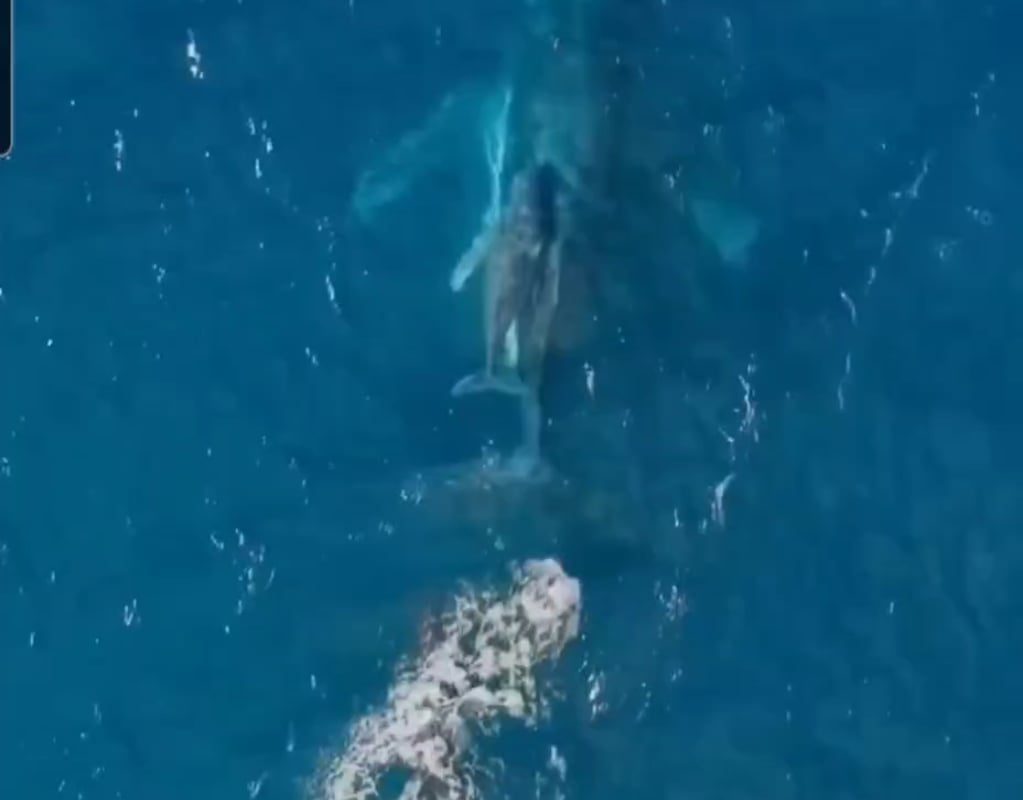
Orcas hunting humpback whales!
Orcas Hunting Humpback Whales: The Ocean’s Epic Battle of Titans
The open ocean is a theatre of survival, where predator and prey engage in life-or-death struggles. One of the most dramatic spectacles is orcas hunting humpback whales—a rare but awe-inspiring clash between two marine giants. Orcas (also called killer whales), known for their intelligence and ruthless efficiency, occasionally target humpbacks, despite their massive size and fierce defenses. This article delves into the science, strategy, and sheer brutality of these encounters, revealing what makes them both a rare phenomenon and a testament to nature’s unforgiving balance.
Why Do Orcas Hunt Humpback Whales?
Orcas (Orcinus orca) are apex predators with a diverse diet that includes fish, seals, sharks, and even other whales. While humpback whales (Megaptera novaeangliae) are not their primary prey due to their formidable size (adults reach 40–50 feet and 30–40 tons), orcas occasionally target them for three key reasons:
- Opportunistic Feeding: Orcas are strategic hunters. Injured, sick, or young humpbacks are vulnerable targets, especially calves separated from their mothers.
- Nutritional Reward: A single successful humpback kill can feed an entire orca pod for days, providing nutrient-rich blubber and meat.
- Cultural Hunting Behavior: Certain orca populations, like those off Western Australia or Antarctica, have developed specialized techniques for hunting large whales, passed down through generations.
But humpbacks aren’t easy victims—they fight back with astonishing ferocity.
Tactics of the Hunt: How Orcas Take Down Giants
Orcas rely on coordination, communication, and relentless persistence to overwhelm humpbacks. Here’s how they do it:
Step 1: Target Selection
Pods (often 5–30 individuals) scout for vulnerable humpbacks, focusing on calves, exhausted migrating adults, or isolated individuals.
Step 2: Exhaustion Strategy
Orcas chase their prey for hours—or even days—using their superior speed (up to 35 mph vs. humpbacks’ 10–15 mph). They take turns harassing the whale, biting its fins, flukes, and head to inflict wounds and drain its energy.
Step 3: Drowning the Whale
Once the humpback is weakened, orcas push it underwater to prevent it from surfacing for air. They may also position themselves on top of the whale to force it deeper.
Step 4: Feeding Frenzy
After the kill, the pod shares the spoils, prioritizing fatty organs like the tongue and liver.
Humpbacks Fight Back: Defense Strategies That Save Lives
Humpbacks are not passive victims. They’ve evolved powerful countermeasures to survive orca attacks:
- Strength in Numbers: Migrating humpbacks often travel in groups, banding together to protect calves. Adults form a defensive circle, thrashing their colossal tails (lobtailing) or fins to deter attackers.
- Bubble Nets: Some humpbacks blow bubbles to create disorienting barriers, confusing orcas long enough to escape.
- Aggressive Posturing: Adults charge at orcas, using their 15-foot pectoral fins like clubs. Their booming vocalizations may also serve as warnings.
- “Buddy System”: Non-related humpbacks have been observed rushing to aid unrelated calves under attack—a rare display of interspecies altruism.
Documented Cases: Real-Life Battles Between Orcas and Humpbacks
Scientific observations and eyewitness accounts provide chilling insights:
- Western Australia (2014): A pod of 15 orcas hunted a newborn humpback calf for six hours. Despite the mother’s fierce defense, the orcas eventually drowned the calf.
- Alaska (2020): Researchers filmed orcas attacking a 40-foot humpback, which escaped after a 4-hour fight by retreating into shallow waters.
- Antarctic Waters (2022): A coordinated orca pod separated a juvenile humpback from its group, showcasing their ruthless teamwork.
These hunts are rare (only ~1% of humpback deaths are linked to orcas), but they underscore the high stakes of marine survival.
Ecological Impact: Why These Hunts Matter
While brutal, orca predation plays a vital role in marine ecosystems:
- Population Control: Orcas help regulate humpback numbers, preventing overpopulation that could strain food resources.
- Natural Selection: They cweak weak or injured individuals, strengthening the overall health of humpback populations.
- Scavenger Support: Carcasses provide food for sharks, fish, and seabirds, fueling deep-sea food webs.
The Future of Research
Advancements in drone footage, tagging, and acoustic monitoring are shedding new light on these encounters. Scientists are particularly fascinated by:
- Humpback “Rescue” Behavior: Why do humpbacks intervene to save other species from orcas?
- Orca Cultural Learning: How do pods refine their hunting techniques over generations?
- Climate Change Effects: Will melting ice or shifting prey locations alter these predator-prey dynamics?
Conclusion: A Testament to Nature’s Raw Power
Orcas hunting humpback whales is a rare, high-stakes duel that highlights the intelligence, adaptability, and resilience of both species. While humpbacks often escape thanks to their size and defenses, these encounters remind us that even ocean giants are not invincible. For scientists and wildlife enthusiasts alike, they represent one of the most gripping examples of nature’s relentless dance between life and death.
Keywords for SEO: Orcas hunting humpback whales, killer whale predation, humpback whale defense strategies, orca vs. humpback battle, marine predator-prey dynamics, killer whale hunting tactics, humpback whale survival behaviors.
Explore Further: Learn about the [unique dialects of orca pods] or discover how [humpback whale songs] play a role in their social lives!