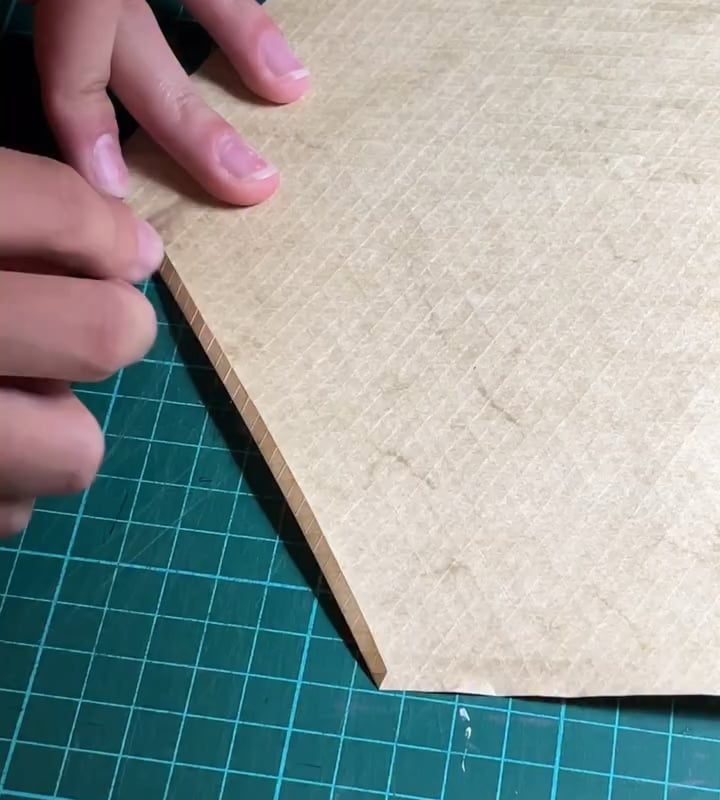
Source: angelinecuvertinotessellations on IG
Unfolding the Art of Origami Tessellation: A Guide to Geometric Paper Magic
Origami tessellation—the mesmerizing union of paper folding and geometric repetition—transforms flat sheets into intricate, eye-catching masterpieces. Blending math, art, and craftsmanship, this niche within origami captivates hobbyists, mathematicians, and designers alike. In this guide, dive into the origins, techniques, and creative potential of origami tessellations, unlocking a world where paper becomes a canvas for endless patterns.
What is Origami Tessellation?
Origami tessellation refers to the art of folding a single sheet of paper into a repeating geometric pattern, creating interlocked shapes without cuts or glue. Unlike traditional origami, which focuses on sculpting figures like cranes or flowers, tessellations prioritize rhythm and symmetry. Patterns evoke honeycombs, stars, or abstract mosaics, relying on precise creases and folds to generate 3D texture from 2D material.
Key Characteristics:
- No Cutting or Gluing: Pure folding techniques only.
- Modular Repetition: A base pattern repeats across the paper.
- Flat or Sculptural: Can be displayed flat or as a textured relief.
Why Try Origami Tessellation? Benefits Beyond Beauty
- Mental Stimulation: Combines spatial reasoning, geometry, and problem-solving.
- Stress Relief: The repetitive, meditative process promotes mindfulness.
- Affordable Craft: Requires only paper and patience—no expensive tools.
- Aesthetic Appeal: Perfect for wall art, lampshades, or DIY home décor.
The Mathematics Behind the Magic
At its core, origami tessellation mirrors mathematical tiling concepts (think Escher drawings!). The folds align with principles like:
- Symmetry Groups: Translational (shifting), rotational, or reflectional symmetry.
- Eulerian Paths: Creases form networks without overlapping.
- Platonic Solids: Shapes like cubes or dodecahedrons inspire 3D structures.
Artists often sketch crease patterns (CPs) as blueprints, mapping angles and intersections before folding.
Basic Techniques to Get Started
-
Pleats & Grids:
Begin with a grid of evenly spaced horizontal/vertical pleats. This framework supports complex designs like twist folds or waterbomb bases. -
Twists:
Create radiating shapes by collapsing a section into a pinwheel-like form. Ideal for sunbursts or flower motifs. -
Open-Back vs. Closed-Back Folding:
Open-back tessellations leave gaps between folds, while closed-back designs tessellate seamlessly. -
Modular Components:
Connect identical folded units (e.g., hexagons) for large-scale works.
Choosing the Right Materials
- Paper: Lightweight (60–80gsm) origami paper or tessellation-specific brands like Tant or Lokta. Larger sheets (30×30 cm+) allow expansive patterns.
- Tools: Bone folders, tweezers, and rulers aid precision. A foam board helps pin creases.
Pro Tip: Pre-crease your grid lightly before committing to sharp folds!
Inspiration & Iconic Artists
- Shuzo Fujimoto: Pioneer of modern tessellations (e.g., his Hydrangea pattern).
- Eric Gjerde: Author of Origami Tessellations, renowned for intricate geometric designs.
- Gianni Sarcone: Blends optical illusions with tessellated art.
Common Challenges (and Solutions)
- Imprecise Folds: Use grids or pre-creased guides for accuracy.
- Paper Fatigue: Avoid over-handling; softer paper creases cleanly.
- Discouragement: Start with pleat-based patterns (e.g., Herringbone) before advancing.
Modern Applications Beyond Paper
Tessellation principles inspire innovations in:
- Architecture: Folded facades (e.g., Beijing’s Water Cube).
- Fashion: Pleated textiles and kinetic garments.
- Space Tech: NASA’s collapsible solar panels and airbags.
Beginner-Friendly Tessellation Patterns
- Hexagonal Pleat Twist
- Flagstone Tessellation
- Diamond Weave
Find free tutorials on YouTube or platforms like Origami.me.
Final Thoughts: Why Tessellations Endure
Origami tessellation bridges logic and creativity, proving that constraints (one sheet, no glue) fuel innovation. Whether crafting wall art or studying the math behind pleats, it invites endless experimentation.
Ready to fold? Grab paper, embrace imperfection, and watch flatness transform into fractal wonder.
Meta Description: Discover origami tessellation—the art of folding geometric paper patterns. Learn its history, techniques, and how to start your own mesmerizing designs in this SEO-optimized guide.
Keywords: Origami Tessellation, Geometric Origami, Paper Folding Patterns, Origami Techniques, Math Art, Shuzo Fujimoto, Origami Tessellation Tutorial, Modular Origami.