Owl and prey
Title: Silent Hunters of the Night: Owl and Prey Dynamics Unveiled
Meta Description: Explore the stealthy world of owls and their prey. Learn how these nocturnal predators hunt, their dietary habits, and their role in ecosystems.
Introduction
Owls, the enigmatic predators of the night, command awe with their silent flights and razor-sharp hunting skills. Their relationship with prey is a fascinating dance of survival, shaped by millions of years of evolution. In this article, we delve into the mechanics of how owls hunt, the diversity of their prey, and their ecological significance—essential knowledge for wildlife enthusiasts and nature bloggers alike.
1. The Owl’s Hunting Arsenal: Adaptations for Success
Owls are nature’s stealth bombers, equipped with unique traits that make them apex nocturnal hunters:
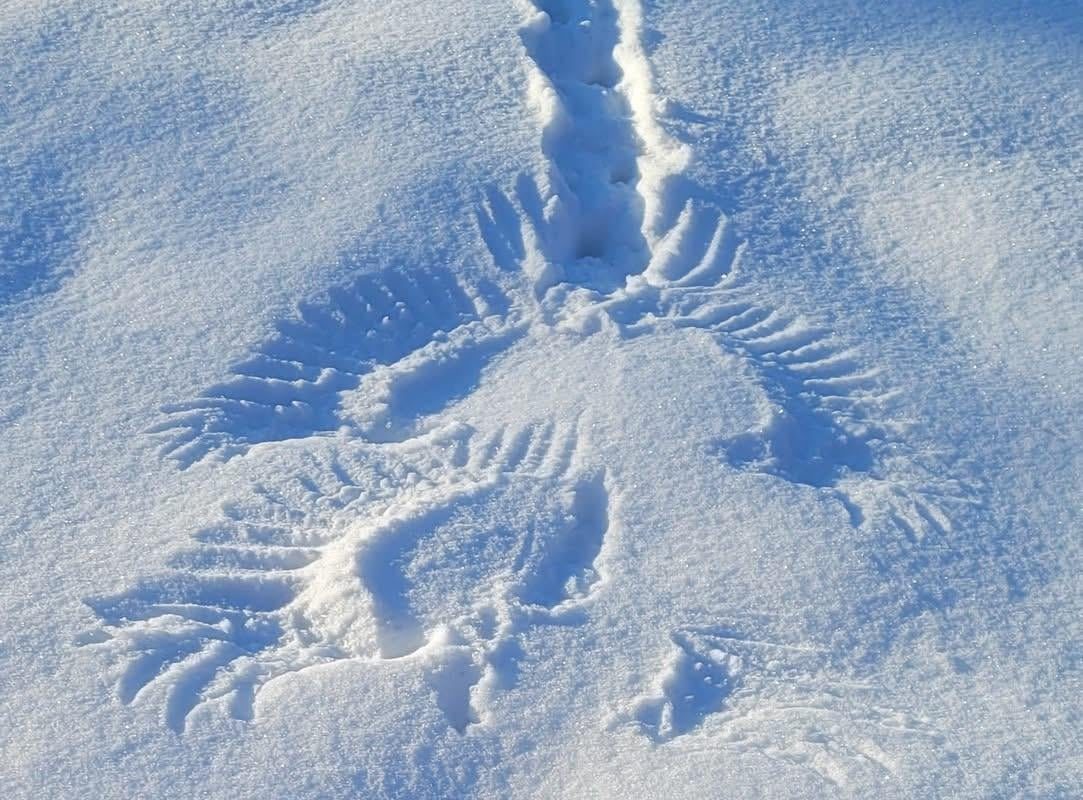
- Silent Flight: Specialized feathers with frayed edges muffle sound, allowing owls to swoop undetected.
- Keen Vision: Large, forward-facing eyes provide exceptional night vision and depth perception.
- Binaural Hearing: Asymmetrical ear placements let owls triangulate prey sounds with pinpoint accuracy—even under snow or foliage.
- Powerful Talons: Razor-sharp claws exert crushing force (500+ psi in larger species) to immobilize victims instantly.
2. What Do Owls Eat? A Diverse Menu
Owl diets vary by species, habitat, and prey availability. Common prey includes:
Small Mammals (Primary Targets):
- Rodents: Mice, voles, and rats make up 70–90% of diets for barn owls and great horned owls.
- Rabbits/Hares: Larger owls, like Eurasian eagle-owls, tackle prey twice their size.
Birds & Insects:
- Songbirds, ducks, and even other raptors are targeted by nimble owls like the barred owl.
- Insects: Screech owls and burrowing owls feast on beetles, moths, and crickets.
Unconventional Prey:
- Fish: Fishing owls snatch aquatic prey using specialized scales on their talons.
- Reptiles & Amphibians: Snakes, lizards, and frogs supplement diets in warmer climates.
3. The Hunt: Tactics and Strategies
Owls employ calculated methods to secure meals:
- Perch-and-Pounce: A patient wait on a high perch, followed by a swift dive.
- Aerial Pursuit: Some species (e.g., short-eared owls) hunt mid-flight over open fields.
- Ambush from Burrows: Burrowing owls lure insects by mimicking rattlesnake sounds!
Did You Know? Owls can swallow small prey whole. Indigestible parts (bones, fur) are regurgitated as pellets—a treasure trove for scientists studying diets.
4. Predator-Prey Balance: Owls in Ecosystems
Owls act as natural pest controllers. A single barn owl family consumes ~3,000 rodents annually, safeguarding crops and reducing disease spread. Their presence signals a healthy ecosystem, but habitat loss and pesticides threaten both owls and their prey.
5. Conservation: Protecting Owls and Their Food Sources
- Avoid Rodenticides: Poisoned prey can kill owls. Opt for owl-friendly pest control (e.g., installing nest boxes).
- Preserve Habitats: Forests, grasslands, and wetlands sustain prey populations.
- Support Wildlife Rehab Centers: These aid injured owls and restore hunting capabilities.
FAQs About Owls and Prey
Q: Do owls hunt during the day?
A: Most are nocturnal, but species like the snowy owl hunt in Arctic daylight.
Q: What’s the smallest owl prey?
A: Elf owls (the world’s tiniest owl) eat scorpions and beetles.
Q: How far can owls detect prey?
A: Under ideal conditions, up to 0.5 miles (0.8 km) via hearing!
Conclusion: Masters of the Night’s Menu
The dance between owl and prey is a testament to nature’s precision. From silent wings to lethal talons, owls exemplify evolutionary brilliance. By understanding and protecting these raptors—and the prey they rely on—we ensure ecosystems thrive in balanced harmony.
Keywords: owl hunting techniques, owl prey species, nocturnal predators, owl adaptations, owl diet facts, barn owl hunting, owl conservation.
Boost your wildlife content’s SEO by linking this article to related pieces on “Raptor Adaptations” and “Ecosystem Roles of Birds of Prey.” Share or bookmark to spread owl awareness! 🦉