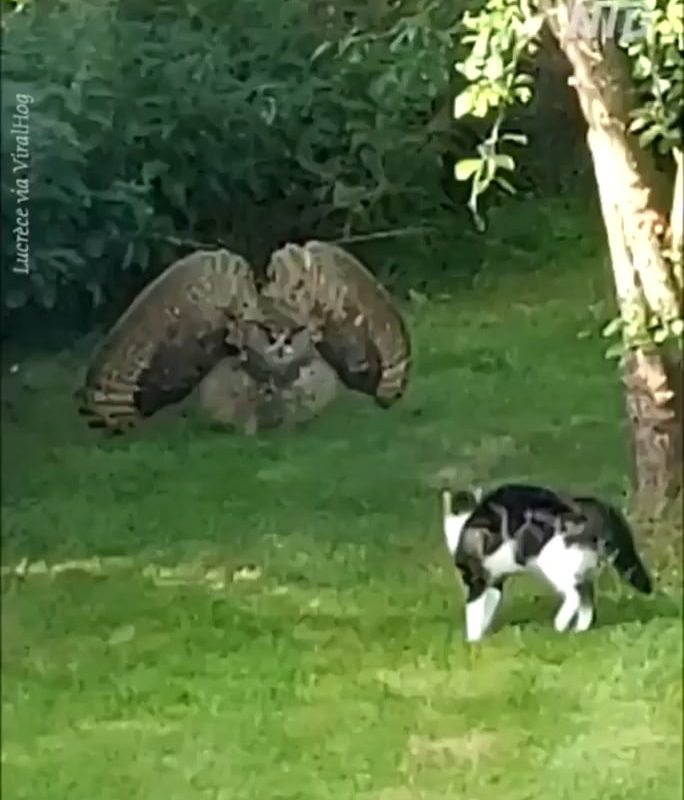
Owl warning a cat to keep away
Title: Owls vs. Cats: Understanding Nature’s Warning Calls and Keeping Your Pets Safe
Meta Description: Discover why owls warn cats to stay away, how these encounters unfold, and actionable tips to protect your feline friend from nocturnal predators.
Introduction: The Nighttime Standoff
In moonlit backyards and shadowy forests, a silent drama often unfolds: a vigilant owl hooting or swooping near a curious cat, issuing a stern wild warning to “keep away.” While these encounters may seem like scenes from a nature documentary, they hold real-world implications for pet owners and wildlife alike.
This article unpacks the reasons behind owl warnings, the hidden dangers for cats, and how humans can foster safer coexistence between domestic pets and wild birds of prey.
Why Do Owls Warn Cats to Stay Away?
Owls are apex nocturnal predators, fiercely territorial over their nesting sites, hunting grounds, and fledglings. When a cat enters their domain, an owl may escalate from silent observation to aggressive warnings, including:
- Vocal Cries: Hooting, hissing, or screaming to startle intruders.
- Dive-Bombing: Low, non-contact flights to intimidate.
- Feigned Attacks: Swooping close enough to scatter the cat without physical contact.
These behaviors stem from instinct, not malice. For owls, cats pose three key threats:
- Competition for prey (e.g., rodents, small birds).
- Risk to owl nests/chicks.
- Self-defense against a potential attacker.
Beyond the Warning: Risks to Cats (and Owls)
While most owls prefer evasion over confrontation, larger species—like Great Horned Owls or Eagle Owls—have the strength to injure or kill a cat, especially kittens or small breeds. Conversely, cats can harm owl populations by:
- Disturbing nests.
- Spreading diseases (e.g., toxoplasmosis).
- Reducing local prey availability.
How to Protect Your Cat: 5 Practical Tips
- Limit Outdoor Access at Night: Owls hunt dusk to dawn. Keep cats indoors during these hours.
- Install Motion-Activated Lights: Bright flashes deter owls.
- Create Safe Outdoor Spaces: Use cat enclosures (“catios”) instead of free roaming.
- Trim Overhanging Branches: Reduce perches owls use to scout for prey.
- Avoid Feeding Pets Outdoors: Food attracts rodents, which in turn attract owls.
Understanding Owl Behavior: A Sign of Ecosystem Health
Owls play a vital role in controlling rodent populations. Their warnings to cats reflect a healthy boundary between domestic and wild spaces. By respecting these signals, we:
- Safeguard pets.
- Support biodiversity.
- Prevent unnecessary harm to protected owl species.
FAQs: Owl Warnings and Cat Safety
Q: Can an owl really carry away my cat?
A: Only very large owls (e.g., Eurasian Eagle Owls) could lift small cats (<5 lbs), but most attacks are defensive rather than predatory.
Q: How do I identify an owl warning call?
A: Hissing or rapid hoots often signal agitation. Apps like Merlin Bird ID can help identify local species.
Q: Are owls endangered by cats?
A: Indirectly, yes. Outdoor cats disrupt ecosystems, stressing owl populations already threatened by habitat loss.
Conclusion: Coexisting with Nature’s Night Watchmen
The image of an owl warning a cat is a powerful reminder: our backyards are shared territory. By keeping cats supervised, respecting wildlife boundaries, and prioritizing predator-safe practices, we protect both our beloved pets and the wild creatures that maintain ecological balance.
Key Takeaway: A hooting owl isn’t just a nighttime soundtrack—it’s a plea for space. Heed its call.
Image Suggestion: Pair the article with a striking visual of an owl mid-flight near a cautious cat, emphasizing tension without violence.
Internal Linking Opportunity: Link to guides like “How to Build a Catio” or “Creating a Wildlife-Friendly Garden.”
Target Keywords:
- Owl warning calls at night
- Keeping cats safe from owls
- Do owls attack cats?
- Owl and cat encounter
- Nocturnal predator safety
By blending science-backed insights with actionable pet care tips, this article aims to rank for urgent searches while fostering compassion for nature’s delicate balance.