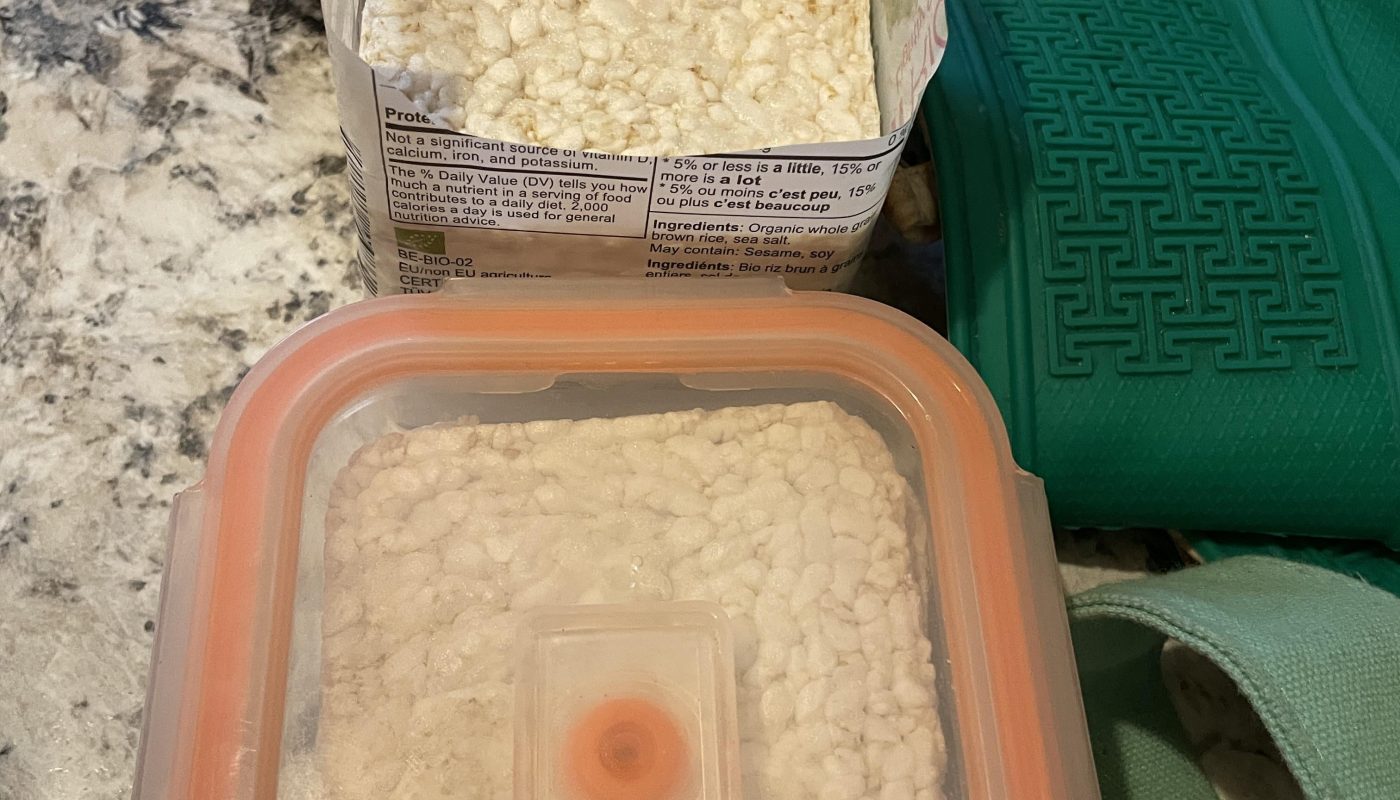
Packing a snack in the perfect container
Packing a Snack in the Perfect Container: The Ultimate Guide to Freshness, Convenience & Eco-Friendliness
Snacking on the go is a way of life—whether you’re a busy parent, a fitness enthusiast, or an office worker powering through the afternoon slump. But the key to a satisfying snack isn’t just what you pack—it’s how you pack it. Choosing the perfect container can keep your snacks fresh, prevent leaks and spills, and even help you reduce waste. In this guide, we’ll break down everything you need to know about selecting and using the ideal snack containers.
Why the Right Snack Container Matters
Not all containers are created equal! Here’s why investing in the right one pays off:
- Freshness & Flavor: Airtight seals lock in crunch and flavor, preventing soggy crackers or wilted veggies.
- Portion Control: Small, compartmentalized containers help manage portions for weight goals or balanced eating.
- Leak-Proof Confidence: Say goodbye to yogurt explosions in your bag with silicone-sealed lids.
- Eco-Friendly Wins: Ditch single-use plastics for reusable containers that cut landfill waste.
- Space Efficiency: Compact, stackable designs save room in lunchboxes, fridges, and backpacks.
Types of Snack Containers: Which Is Best for You?
1. Silicone Bags & Pouches
Perfect For: Trail mix, nuts, dried fruit, chips.
Pros: Lightweight, collapsible, dishwasher-safe, and often freezer-friendly. Brands like Stasher® offer reusable, plastic-free alternatives to Ziplocs.
Cons: Less sturdy for heavy or sharp items.
2. Bento-Style Boxes with Compartments
Perfect For: Variety packs (e.g., hummus + veggies, cheese + crackers).
Pros: Separate wet/dry foods to avoid sogginess. Great for kids or adults who love meal prepping.
Look For: Leak-proof dividers (like OmieBox) and durable materials like BPA-free plastic or stainless steel.
3. Glass Containers with Lids
Perfect For: Oily snacks, dips, or sticky foods (e.g., peanut butter, guacamole).
Pros: Non-porous, easy to clean, and microwave-safe. Brands like Pyrex or Weck offer secure snap-lock lids.
Cons: Heavier than plastic or silicone.
4. Stainless Steel Tins
Perfect For: On-the-go snacks that need to stay cold or hot (e.g., yogurt, soup).
Pros: Insulated options keep temperature stable for hours. Eco-friendly and indestructible—ideal for hiking or travel.
5. Reusable Wraps & Beeswax Cloths
Perfect For: Wrapping sandwiches, cheese, or baked goods.
Pros: Zero-waste, biodegradable, and easy to wash.
Key Features to Look For in a Snack Container
- Airtight Seals: A silicone or rubber gasket prevents air and moisture from sneaking in.
- Size & Shape: Match the container to your snack (e.g., tall jars for smoothies, shallow boxes for sliced apples).
- Durability: Opt for crack-resistant materials if you’re rough on containers.
- Ease of Cleaning: Dishwasher-safe = fewer hassles. Check for crevice-free designs.
- Sustainability: Prioritize recycled materials or brands with circular recycling programs.
- Portability: Look for slim profiles, carabiner clips, or nesting designs.
Top 5 Snack Containers for Every Lifestyle
- Stasher Reusable Silicone Bags – Best for zero-waste warriors.
- OXO Tot Bento Box – Best for kids (leak-proof compartments!).
- Klean Kanteen Stainless Steel Food Canister – Best for temperature-sensitive snacks.
- Glasslock Assorted Containers – Best for pantry-to-fridge versatility.
- Bentgo Fresh Adult Lunch Box – Best for portioned salads and crunchy snacks.
Pro Tips for Packing Snacks Like a Pro
- Prep in Batches: Use Sunday prep sessions to fill containers with nuts, sliced fruit, or energy balls.
- Layer Wisely: Place wet foods (like berries) at the bottom to avoid crushing.
- Keep It Cool: Freeze a small gel pack alongside perishables like cheese or hard-boiled eggs.
- Label Everything – Use chalkboard stickers or erasable markers to track expiration dates.
- Avoid Odor Transfer: Store garlicky dips in glass, not plastic, which can absorb smells.
Common Snack-Packing Mistakes to Avoid
- Overfilling: Packing too much leads to spills and squished food.
- Using the Wrong Container for Liquids: Opt for screw-top jars over flimsy lids.
- Ignoring Temperature Needs: Hot soups need vacuum insulation; delicate greens require airflow.
- Neglecting Cleaning: Lingering smells or stains? Soak containers in baking soda + vinegar.
Go Green: Sustainable Snacking Made Simple
Swap plastic wrap and single-use bags with these planet-friendly hacks:
- DIY Upcycled Jars: Repurpose salsa jars for nuts or pasta salad.
- Beeswax Wraps: Wrap sandwiches or cover bowls.
- Bulk Buying: Fill reusable containers at zero-waste stores.
- Non-Toxic Materials: Choose FDA-approved silicone, glass, or stainless steel.
Final Takeaway
Packing snacks in the perfect container isn’t just about convenience—it’s about enjoying fresh, flavorful food while reducing your environmental footprint. By investing in a few versatile, high-quality containers, you’ll save money, time, and the planet—one snack at a time.
Ready to Upgrade Your Snacking Game? Start by auditing your pantry, then build a collection of containers that fit your lifestyle. Your snacks (and Mother Earth) will thank you!
Meta Description:
Discover the best snack containers for freshness, portability, and eco-friendliness! Learn how to choose leak-proof bento boxes, silicone bags, glass jars & more in this ultimate guide.
Target Keywords:
- Best snack containers
- Reusable snack bags
- Eco-friendly food storage
- Leak-proof lunch containers
- How to pack snacks for work
- Bento boxes for adults
- Zero-waste snack packing
Boost your snack-packing IQ today—and never settle for a soggy chip again! 🍎🥜🥑