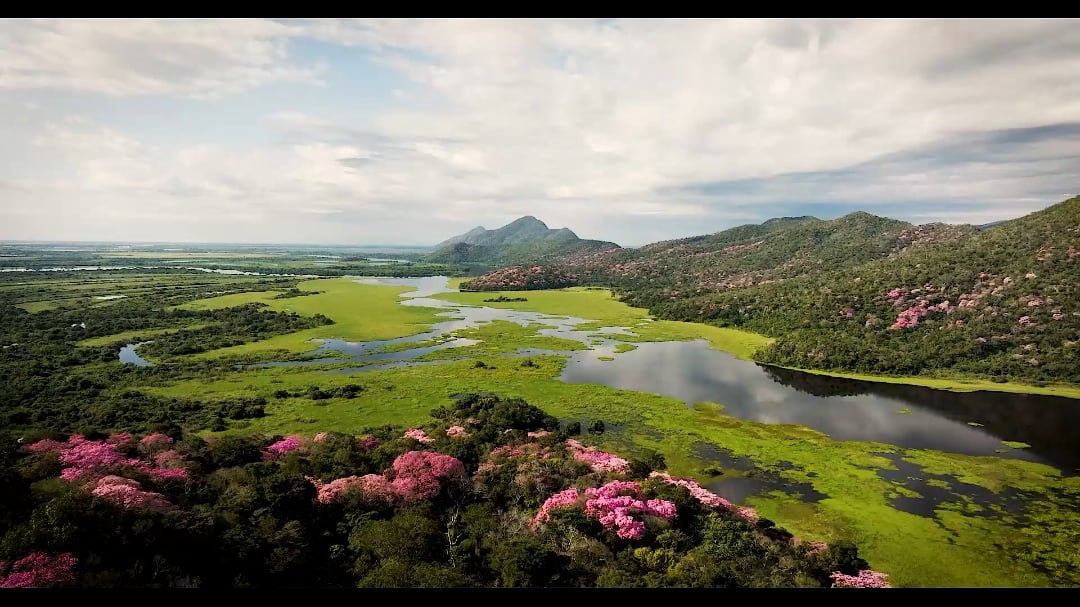
Pantanal: the world’s largest wetland.
Pantanal: The World’s Largest Wetland – A Biodiverse Paradise Under Threat
Perched at the heart of South America, the Pantanal reigns as the world’s largest tropical wetland, sprawling across an astonishing 140,000–195,000 square kilometers (54,000–75,000 sq miles). This UNESCO World Heritage Site stretches across Brazil (covering roughly 80%), Bolivia, and Paraguay, and pulses with extraordinary biodiversity. Unlike the dense Amazon rainforest, the Pantanal’s open landscapes offer unrivaled wildlife visibility, making it a crown jewel for ecotourists, conservationists, and nature lovers. In this guide, we’ll explore the Pantanal’s geography, its incredible wildlife, the threats it faces, and how you can experience its magic responsibly.
Where Is the Pantanal? Geography & Climate
The Pantanal sits in the upper Paraguay River Basin, a vast sedimentary plain that floods seasonally. Its name derives from the Portuguese word pântano (meaning “swamp”), but this oversimplifies its dynamic ecosystems, which include:
- Seasonal Floodplains: Over 80% of the wetland submerges during the rainy season (November–March), creating interconnected rivers and lagoons.
- Dry Forest Islands (Cordilheiras): Elevated patches of land become critical refuges for wildlife during the flood cycle.
- Savannas & Gallery Forests: These habitats line riverbanks and higher ground, hosting unique flora and fauna.
The region’s climate swings between two extremes:
- Wet Season (November–March): Heavy rains inundate the land, transforming it into an aquatic paradise.
- Dry Season (April–October): Waters recede, concentrating wildlife around shrinking waterholes.
Why the Pantanal’s Biodiversity Is Unmatched
The Pantanal harbors one of Earth’s most concentrated displays of wildlife. Its mosaic of habitats sustains:
Iconic Wildlife
- Jaguars: The Pantanal hosts the highest density of these elusive big cats globally. Dry season safaris offer prime jaguar-spotting along riverbanks.
- Giant River Otters, Caimans & Capybaras: Thriving aquatic ecosystems support capybara (the world’s largest rodent) populations, alongside millions of Yacare caimans.
- Birdlife Paradise: Over 650 bird species, including hyacinth macaws, jabiru storks, and toucans, fill the skies.
Unique Ecosystems
- Aquatic Plants: Giant water lilies (Victoria amazonica) blanket flooded areas.
- Fish Diversity: Over 260 fish species fuel the food chain, including piranhas and golden dorado.
Threats to the Pantanal: A Fragile Ecosystem at Risk
Despite its resilience, the Pantanal faces escalating human-driven pressures:
- Deforestation & Agriculture: Cattle ranching and soybean farming drive land clearing in surrounding areas, disrupting natural water flows.
- Climate Change: Increased temperatures and prolonged droughts (like 2020’s devastating fires) threaten to destabilize the flood cycle.
- Pollution: Mercury from illegal gold mining and pesticide runoff from farms poison waterways.
- Infrastructure Projects: Proposed dams and waterways could irreversibly alter flooding patterns.
Conservation initiatives are underway, led by groups like WWF, local NGOs, and Indigenous communities. Sustainable tourism also plays a vital role in funding protection efforts.
Visiting the Pantanal: A Responsible Travel Guide
Experiencing the Pantanal is a once-in-a-lifetime adventure. Here’s how to plan your trip:
Best Time to Visit
- Dry Season (May–September): Ideal for wildlife viewing. Animals gather at water sources, and jaguar sightings peak.
- Wet Season (December–March): Perfect for birdwatching, boat tours, and dramatic landscapes.
How to Explore
- Gateway Cities: Cuiabá (Brazil) or Campo Grande offer access to the Northern and Southern Pantanal, respectively.
- Experiences to Prioritize:
- Jaguar Safaris: Navigate the Paraguay River in search of jaguars.
- Night Wildlife Spotting: Witness caimans, tapirs, and nocturnal birds.
- Horseback Riding & Hiking: Traverse the dry plains with local guides.
Responsible Tourism Tips
- Choose Eco-Certified Lodges: Support operators investing in conservation.
- Respect Wildlife: Keep noise low and maintain distance.
- Minimize Waste: Avoid single-use plastics; many lodges operate off-grid.
Why the Pantanal Matters – And How to Protect It
The Pantanal isn’t just a wildlife spectacle—it’s a lifeline. It regulates regional climate, stores carbon, and nourishes countless communities. As climate extremes intensify, protecting this wetland becomes a global imperative. Travelers, policymakers, and local stakeholders must collaborate to ensure the Pantanal’s wonders endure for generations.
Final Thoughts
From the haunting call of howler monkeys at dawn to the sight of jaguars prowling riverbanks, the Pantanal is a living testament to nature’s grandeur. Visit mindfully, advocate for its preservation, and carry its story forward. This wetland isn’t just the world’s largest—it’s a shared treasure worth fighting for.
Keywords: Pantanal, world’s largest wetland, Pantanal Brazil, Pantanal wildlife, jaguar safaris, UNESCO World Heritage Site, Pantanal conservation, ecotourism Pantanal, Pantanal travel guide.