Parasailing Spiders a
Title: Parasailing Spiders: Unveiling the Mystery Behind Nature’s Aerial Adventurers
Meta Description: Discover how parasailing spiders use silk and wind to travel miles through the air! Learn the science, ecological role, and FAQs about these fascinating arachnids.
Introduction: Spiders That Fly?!
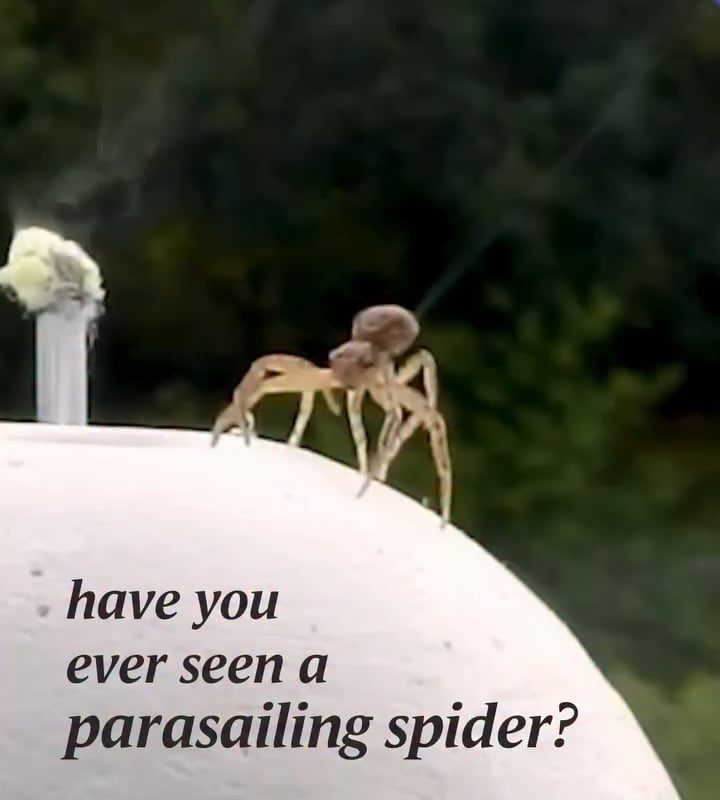
Imagine looking up at the sky on a breezy day and spotting a tiny spider gliding gracefully above you. This isn’t science fiction—it’s a real phenomenon called “parasailing” or “ballooning.” Certain spiders use silk threads as sails to catch the wind, allowing them to travel astonishing distances. In this article, we explore how these eight-legged aviators defy gravity, why they do it, and what it means for ecosystems worldwide.
What Are Parasailing Spiders?
Parasailing spiders, scientifically known as “ballooning spiders,” are species that disperse by releasing gossamer silk threads into the air. These ultra-fine strands catch wind currents, lifting the spiders upward like miniature hot-air balloons. This behavior allows young spiders (and occasionally adults) to migrate across vast terrains—sometimes hundreds of miles—to colonize new habitats.
Key Species That Parasail:
- Linyphiidae (Sheet-Web Spiders): Tiny spiders often seen ballooning in large groups.
- Theridiidae (Cobweb Spiders): Include common house spiders that use ballooning to explore.
- Juvenile spiders: Most frequently engage in this behavior to avoid competition.
The Science of Spider Ballooning
The process of parasailing is a marvel of biomechanics and atmospheric physics:
-
Silk as a Sail:
Spiders release multiple silk threads from their spinnerets, creating a triangular “parachute.” These threads are thinner than human hair and use electrostatic forces to enhance lift. -
Catching the Wind:
When wind speeds exceed ~7 mph, the silk catches the breeze, launching the spider skyward. Spiders can ascend up to 3 miles high, riding jet streams for days! -
Navigation Tactics:
Spiders sense humidity, wind direction, and electric fields to time their flights. A 2018 study from the University of Bristol even found that spiders “test” wind conditions with their legs before takeoff.
Why Do Spiders Parasail?
Ballooning offers critical survival advantages:
- Dispersal: Helps young spiders avoid overcrowding and cannibalism.
- Escape: Fleeing predators, floods, or wildfires.
- Exploration: Colonizing islands, mountains, or newly formed ecosystems.
Ecological Impact: The Hidden Benefits
Parasailing spiders play a vital but underappreciated role in nature:
- Pest Control: They settle in new areas and help manage insect populations.
- Biodiversity: Enable gene flow between isolated spider communities.
- Invasive Species Risks: Ballooning can accidentally introduce spiders to non-native habitats (e.g., Hawaiian invasive species).
FAQ: Unraveling the Myths
-
Can all spiders parasail?
No—smaller species (under 3mm) are best adapted due to their lightweight bodies. -
Is spider ballooning dangerous to humans?
Absolutely not! These spiders are harmless and too tiny to bite. You’ve likely never noticed them floating overhead. -
Do spiders choose where they land?
No—they go where the wind takes them. Some land in backyards; others cross oceans!
Conclusion: Nature’s Tiny Airborne Pioneers
Parasailing spiders exemplify nature’s ingenuity, turning silk and breeze into a survival superpower. While the idea of airborne arachnids might unsettle some, these creatures are invaluable to ecosystems—silent guardians of pest control and biodiversity. Next time you feel a gentle gust, remember: the sky’s the limit for these astonishing explorers!
Keywords for SEO: Parasailing Spiders, Ballooning Spiders, Flying Spiders, Spider Dispersal, Spider Silk, Spider Migration, Arachnid Behavior, How Do Spiders Fly, Spiders in Wind, Gossamer Silk, Ecological Role of Spiders.
Optimize your website’s visibility by sharing this article! Let’s spread awe—not arachnophobia—for nature’s wonders. 🕷️✨