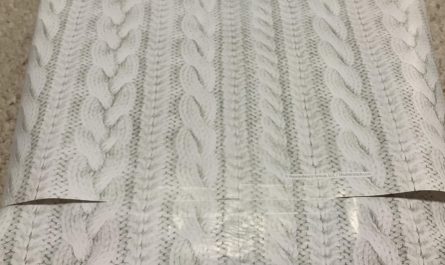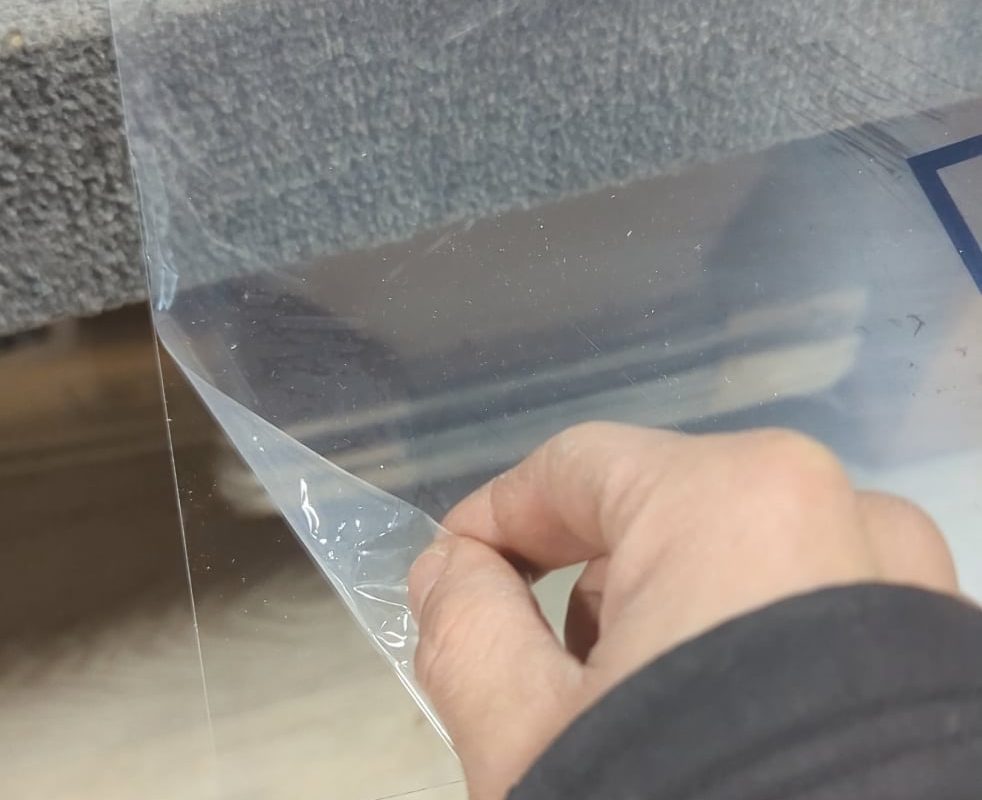
I work at a picture frame company and I peel these things all the time and I wanted to share
Title: The Ultimate Guide to Peeling an Acrylic Sheet: Techniques, Tips, and Safety
Meta Description: Learn how to safely peel acrylic sheets without damage. Discover step-by-step methods for removing protective films, adhesives, or coatings from acrylic surfaces.
Introduction
Acrylic sheets (also known as Plexiglas or Perspex) are prized for their clarity, durability, and versatility in DIY projects, signage, and furniture. However, removing protective films, adhesives, or unwanted coatings from acrylic can be tricky. If done incorrectly, peeling can cause scratches, cloudiness, or structural damage. This guide covers expert-approved techniques for peeling acrylic sheets safely and efficiently.
Why Peel an Acrylic Sheet?
Common reasons for peeling acrylic include:
- Removing Protective Film: Manufacturers apply thin films to prevent scratches during shipping.
- Stripping Paint or Adhesives: Upcycling a sheet or correcting a flawed finish.
- Repairing Damaged Layers: Addressing bubbles, peeling coatings, or residue.
Tools You’ll Need
- Plastic scraper or credit card (avoid metal to prevent scratches)
- Heat gun or hairdryer
- Isopropyl alcohol or adhesive remover (acrylic-safe)
- Soft microfiber cloth
- Protective gloves and eyewear
Step-by-Step Guide to Peeling Acrylic
1. Removing Protective Film
- Start at the Corner: Lift a small section of the film using your fingernail or a plastic tool. Pull slowly at a 45-degree angle.
- Use Heat for Stubborn Film: If the film resists, warm it gently with a hairdryer to loosen the adhesive. Avoid overheating, as acrylic melts around 320°F (160°C).
- Clean Residue: Dab leftover adhesive with isopropyl alcohol and wipe gently with a microfiber cloth.
2. Peeling Paint or Adhesive
- Scrape Gently: Use a plastic scraper to lift edges of the coating. Never force peeling—stop if the acrylic begins to flex.
- Apply Solvent Sparingly: Test an adhesive remover like Goo Gone on a small area first. Apply to a cloth, not directly onto the sheet, and wipe in circular motions.
- Rinse and Dry: Clean the surface with water and dish soap, then dry thoroughly.
3. Fixing Bubbled or Aging Film
- Reheat and Re-Press: If film bubbles form, heat the area lightly and smooth it with a cloth. If it fails, peel and replace the film.
Mistakes to Avoid
- Using Sharp Tools: Metal blades or knives will scratch acrylic.
- Harsh Chemicals: Acetone, ammonia, or acidic cleaners can cloud or crack the sheet.
- Rushing: Peeling too fast risks tearing the film or damaging the acrylic.
Aftercare Tips
- Store Properly: Keep acrylic away from direct sunlight or extreme temperatures to prevent warping.
- Replace Protective Film: If reusing the sheet, apply new UV-resistant film to maintain clarity.
- Polish Scratches: Use a specialized acrylic polish for minor surface marks.
FAQ: Peeling Acrylic Sheets
Q: Can acetone be used on acrylic?
A: No—acetone chemically reacts with acrylic, causing cracks or fogging. Stick to isopropyl alcohol.
Q: Does peeling affect acrylic’s structural integrity?
A: Not if done gently. Avoid bending the sheet during the process to prevent stress marks.
Q: What if the film leaves sticky residue?
A: Apply a 50/50 mix of warm water and mild soap, or use an acrylic-safe adhesive remover.
Conclusion
Peeling an acrylic sheet requires patience and the right tools but is simple once you understand the material’s sensitivities. Whether you’re unveiling a brand-new sheet or refurbishing an old one, gentle heat, plastic scrapers, and non-abrasive cleaners are your best allies. Always prioritize safety and test methods in inconspicuous areas first!
By following these steps, you’ll preserve the beauty and functionality of your acrylic project for years to come.
Keywords: How to peel acrylic sheet, remove protective film from acrylic, acrylic sheet care, peeling acrylic adhesive, Plexiglas film removal, Perspex sheet maintenance.