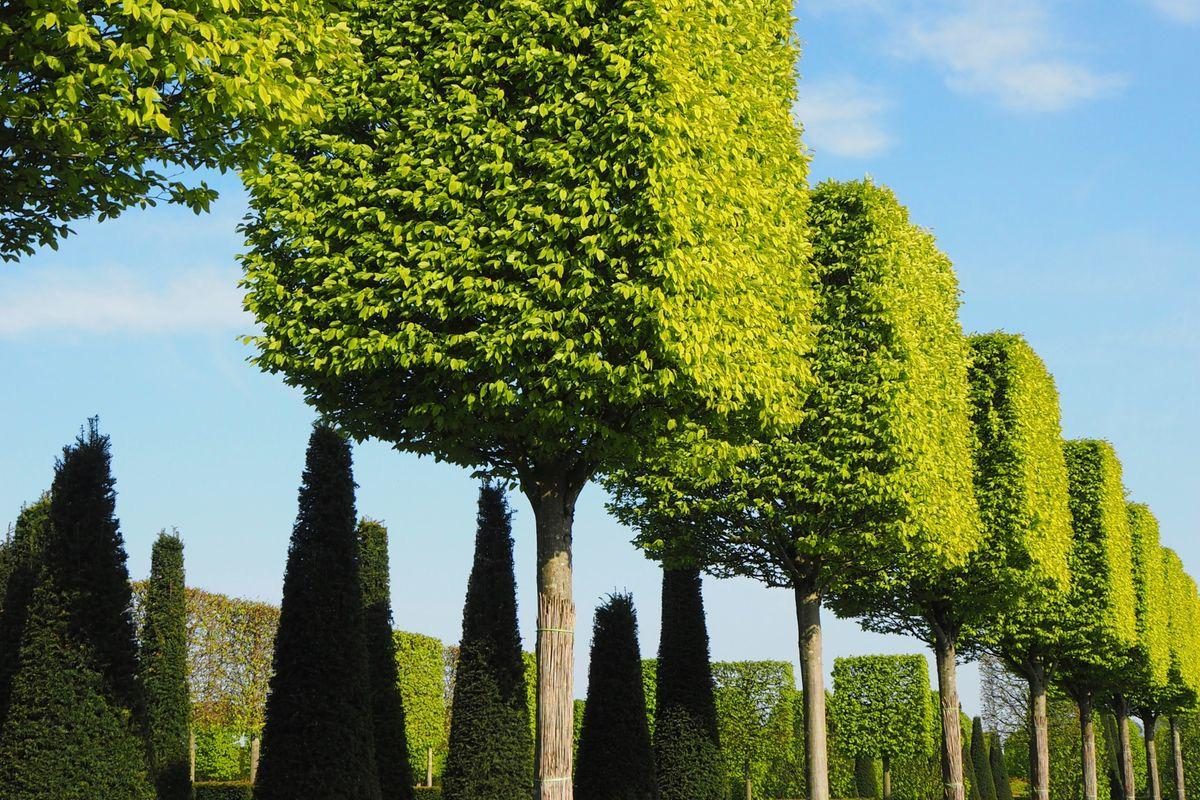
Perfectly pruned into geometric forms
The Art of Topiary: Crafting Stunning Geometric Garden Sculptures
Imagine a garden transformed into a living gallery: spheres, cubes, pyramids, and spirals carved from lush greenery, standing as testaments to nature’s versatility and human creativity. This is the mesmerizing world of geometric topiary—the centuries-old art of pruning plants into precise, eye-catching shapes. Whether adorning palace gardens or contemporary urban spaces, these living sculptures bring order, elegance, and a touch of whimsy to landscapes. In this guide, we explore the techniques, plants, and benefits of creating geometric topiary, plus practical tips to help you master this horticultural art form.
1. What Is Geometric Topiary?
Topiary refers to the practice of training perennial plants into ornamental shapes by carefully clipping foliage. Geometric topiary focuses on sharp, mathematical forms—such as cones, cubes, spirals, and spheres—contrasting with free-form designs. Originating in ancient Rome and popularized in Renaissance Europe, this art form remains beloved for its blend of precision and creativity.
Why Choose Geometric Shapes?
- Visual Impact: Clean lines create dramatic focal points.
- Versatility: Fits formal gardens, modern landscapes, and even container displays.
- Structure: Adds architectural interest to gardens year-round.
2. Top Techniques for Perfect Geometric Pruning
A. Hand Pruning (Freehand Cutting)
Ideal for experienced gardeners, this method relies on steady hands and a keen eye.
- Tools Needed: Sharp shears, pruning saw, measuring tape.
- Tip: Use wooden stakes and string to outline shapes (e.g., a cube’s edges).
B. Frame-Based Pruning
Metal or wire frames guide growth, ensuring flawless symmetry.
- Process: Place frames over young plants; trim foliage extending beyond the template.
- Best For: Complex shapes like spirals or animals with geometric accents.
C. Cloud Pruning (Niwaki)
This Japanese technique involves pruning trees into tiered, cloud-like geometric forms.
3. Best Plants for Geometric Topiary
Choose dense, small-leaved, slow-growing evergreens for crisp edges and longevity:
- Boxwood (Buxus sempervirens): Classic choice for cubes, spheres, and hedges.
- Yew (Taxus baccata): Tolerates heavy pruning; perfect for cones and pyramids.
- Holly (Ilex): Glossy leaves add shine to geometric forms.
- Rosemary (Rosmarinus officinalis): Fragrant and great for small-scale topiaries.
4. Why Invest in Geometric Topiary? Key Benefits
- Boosts Curb Appeal: A well-maintained topiary elevates property value by up to 20%.
- Year-Round Interest: Evergreens retain shape in all seasons.
- Therapeutic Practice: Pruning is a mindful, stress-relieving activity.
- Eco-Friendly Art: Replaces plastic decor with sustainable living sculptures.
5. DIY Geometric Topiary: A Beginner’s Guide
Step 1: Start Simple
Begin with basic shapes—a cone or cube—using a young boxwood or yew plant.
Step 2: Use Templates
Create a cardboard or wire outline to guide cuts. Measure frequently for symmetry.
Step 3: Prune Strategically
- Trim incrementally, never removing >⅓ of growth at once.
- Work from the top down for balanced shaping.
Essential Tools:
- Bypass pruners
- Topiary shears (small, sharp blades)
- Protective gloves
6. Common Pitfalls & How to Avoid Them
- Over-Pruning: Weakens plants. Trim in stages, especially during growing season.
- Poor Plant Choice: Avoid fast-growing species (e.g., privet) for intricate shapes.
- Ignoring Plant Health: Ensure proper sunlight, drainage, and fertilization.
7. Iconic Geometric Forms to Inspire You
- Spheres: Timeless and versatile for pathways or entryways.
- Pyramids: Add height to garden corners.
- Spirals: Pair with geometric hedges for contrast.
- Parterres: Low geometric hedges create living “carpets.”
Pro Tip: Mix sizes and shapes for dynamic landscapes—a cube beside a sphere adds visual rhythm!
8. Caring for Your Living Sculptures
- Pruning Schedule: Trim 2–3 times yearly (spring/summer).
- Watering: Keep soil moist but not waterlogged.
- Pest Control: Watch for scale insects or spider mites; use neem oil if needed.
Transform Your Garden with Geometric Grace
Geometric topiary merges nature’s beauty with mathematical precision, turning gardens into open-air galleries. Whether aiming for Versailles-inspired grandeur or sleek modernism, mastering this art starts with patience, the right plants, and a passion for shaping beauty. Grab your shears, embrace the process, and watch your garden evolve into a masterpiece of living geometry.
Ready to Sculpt? Start small, experiment boldly, and share your topiary journey—the perfect green cube or spiral awaits!
Target Keywords: Geometric topiary, pruning geometric shapes, topiary gardening, DIY garden sculpture, best plants for topiary, formal garden design, geometric hedges.