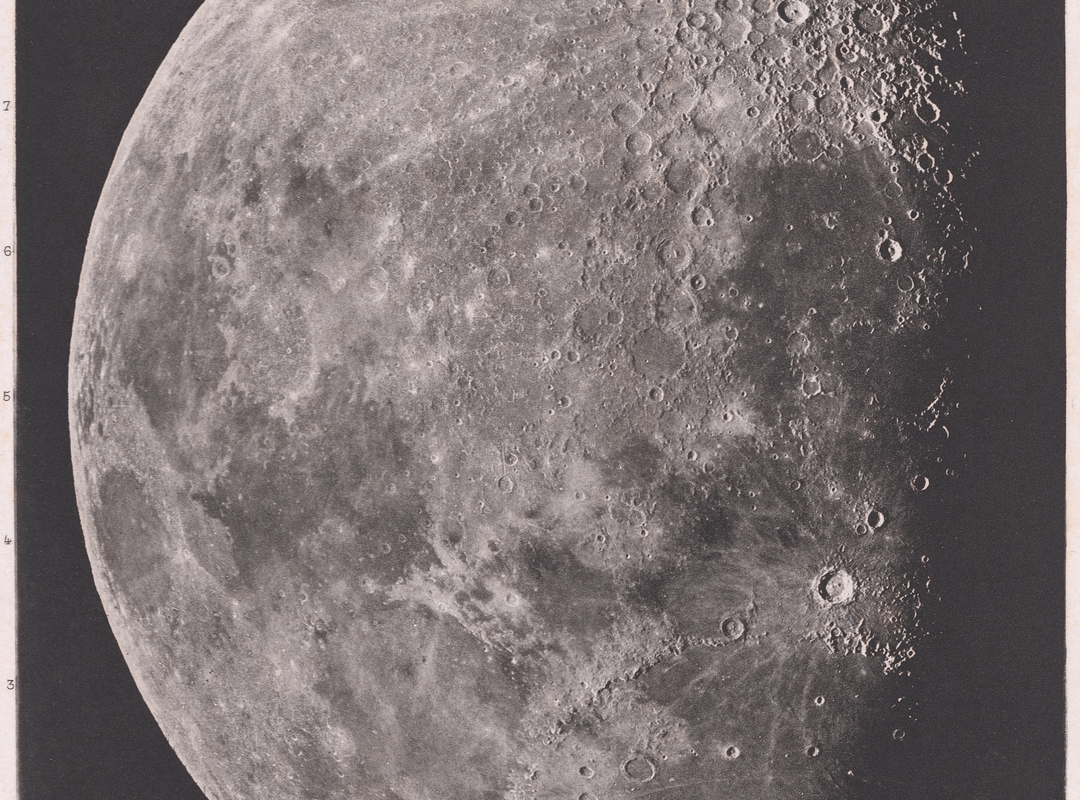
Photos of the Moon from 1894-96
Meta Description:
Discover the groundbreaking photos of the Moon taken between 1894-1896, the pioneers behind them, and how these images revolutionized astronomy. Dive into the untold story of early lunar photography!
Capturing the Moon: The Pioneering Photographs of 1894–96 That Changed Astronomy Forever
In an era before rockets, satellites, or Hubble telescopes, astronomers of the late 19th century achieved what once seemed impossible: capturing detailed photographs of the Moon. Between 1894 and 1896, groundbreaking lunar imagery emerged from observatories in France and the United States, offering humanity its first detailed glimpse of our celestial neighbor through the lens of a camera. These early photos represent a transformative moment in science—one that bridged art, astronomy, and technology.
Let’s explore these pioneering photographs, their creators, and their lasting impact on lunar exploration.
Why Photos of the Moon from 1894–96 Matter
Before the 1890s, lunar studies relied on hand-drawn sketches prone to human error. Photography changed everything. The images taken between 1894–96 were among the first to:
- Document the Moon’s surface with unprecedented accuracy.
- Reveal craters, valleys, and mountains invisible to the naked eye.
- Provide a scientific baseline for future lunar missions and maps.
Though primitive by today’s standards, these photos made the Moon real in a way sketches could not, democratizing access to cosmic knowledge.
The Paris Observatory: A Photographic Revolution Begins (1894)
In 1894, French astronomers Maurice Loewy and Pierre Puiseux embarked on an ambitious 14-year project at the Paris Observatory. Using a equatorial coudé telescope, they captured over 6,000 glass-plate photographs of the Moon.
Key Innovations:
- Dry Plate Technology: Unlike earlier wet collodion plates, dry plates were faster and more practical.
- Timed Exposures: Short exposure times minimized blurring from Earth’s atmosphere.
- The Atlas Photographique de la Lune: Published starting in 1896, this atlas compiled 71 high-resolution prints.
Their work revealed the Moon’s “libration” (wobbling motion) and provided a topographical reference still cited today.
California’s Lick Observatory Joins the Quest (1894–95)
Meanwhile, in California, astronomer James Edward Keeler turned the Lick Observatory’s 36-inch refractor telescope toward the Moon. Funded by James Lick—a wealthy eccentric who wanted his tomb placed beneath the telescope—the observatory became a powerhouse of early astrophotography.
The Lick Legacy: Precision Meets Scale
- Meticulous Timing: The telescope’s clock drive tracked the Moon’s motion for crisp shots.
- Moon Phase Studies: Images captured the Moon during different phases, highlighting shadows cast by lunar mountains.
- Scientific Rigor: Keeler’s work validated photographic methods for celestial studies.
Though Keeler later focused on nebula photography, his Moon images set standards for clarity.
Technical Challenges: How They Overcame the Odds
Photographing the Moon in the 1890s was no small feat. Astronomers faced:
- Atmospheric Distortion: Turbulence blurred details; long exposures worsened the problem.
- Primitive Equipment: Glass plates required careful handling and precise chemical processing.
- Fragility: Plates often cracked, ruining weeks of work.
Despite this, their photos achieved resolutions of ~1–2 kilometers per pixel—astonishing for the time!
Legacy: How These Photos Shaped Modern Astronomy
The 1894–96 lunar photographs ignited a scientific revolution:
- Lunar Cartography: Detailed maps like the LAC Series (Lunar Aeronautical Charts) used these photos as references.
- Public Engagement: Newspapers and universities displayed prints, inspiring generations.
- Apollo-Era Impact: NASA referenced early atlases for the Apollo missions in the 1960s.
Even today, these images remind us of humanity’s relentless curiosity—and how far we’ve come.
Where to See the Photos Today
Many original plates survive in archives:
- Paris Observatory Digital Library: Hosts Loewy and Puiseux’s Atlas Photographique.
- Lick Observatory Archives: Key lunar plates are preserved at UC Santa Cruz.
- Smithsonian’s National Air and Space Museum: Displays prints in its astronomy exhibits.
Conclusion: A Window to Our Cosmic Future
The 1894–96 Moon photographs were more than technical marvels—they were a declaration that the cosmos belonged to everyone. For the first time, people could hold the Moon in their hands, studying its craters and seas from afar. These pioneers paved the way for every lunar rover, telescope, and astronaut that followed.
As we embark on Artemis missions to return humans to the Moon by 2025, we stand on the shoulders of the 19th-century astronomers who dared to point their cameras skyward and ask, “What if?”
Keywords for SEO:
Photos of the Moon 1894-96, 1890s Moon photography, Loewy and Puiseux Atlas, Lick Observatory Moon images, first lunar photographs, early astrophotography, Paris Observatory Moon atlas, James Edward Keeler Moon, 19th century lunar photography.