Popping balloons with a laser
Title: Popping Balloons with a Laser: The Ultimate Guide to Science, Safety, and Fun
Meta Description: Discover how to pop balloons with a laser! Learn the science behind it, safety tips, step-by-step instructions, and creative experiments for this electrifying DIY project.
Introduction
Popping balloons with a laser isn’t just a party trick—it’s a fascinating demonstration of physics, energy, and light. Whether you’re a science enthusiast, educator, or hobbyist, this guide dives into the hows and whys of laser balloon popping. We’ll cover everything from the science behind the spectacle to safety protocols and innovative experiments that turn this activity into a thrilling educational tool.
The Science Behind Popping Balloons with a Laser
A laser works by emitting a focused beam of light energy. When aimed at a balloon, this concentrated heat rapidly weakens the rubber’s molecular structure. Here’s what happens in detail:
- Light Absorption: Dark-colored balloons (like black or navy) absorb more light than lighter ones, converting it into heat.
- Heat Concentration: The laser’s energy creates a tiny hotspot on the balloon’s surface, causing the rubber to stretch thin.
- Pressure + Weakness: The internal air pressure of the balloon combines with the weakened rubber, leading to a dramatic POP!
Pro Tip: Clear or light-colored balloons reflect more light and are harder to pop—opt for darker shades for quicker results!
Step-by-Step: How to Pop a Balloon with a Laser
Follow this simple (and safe!) method to execute the experiment:
Materials Needed:
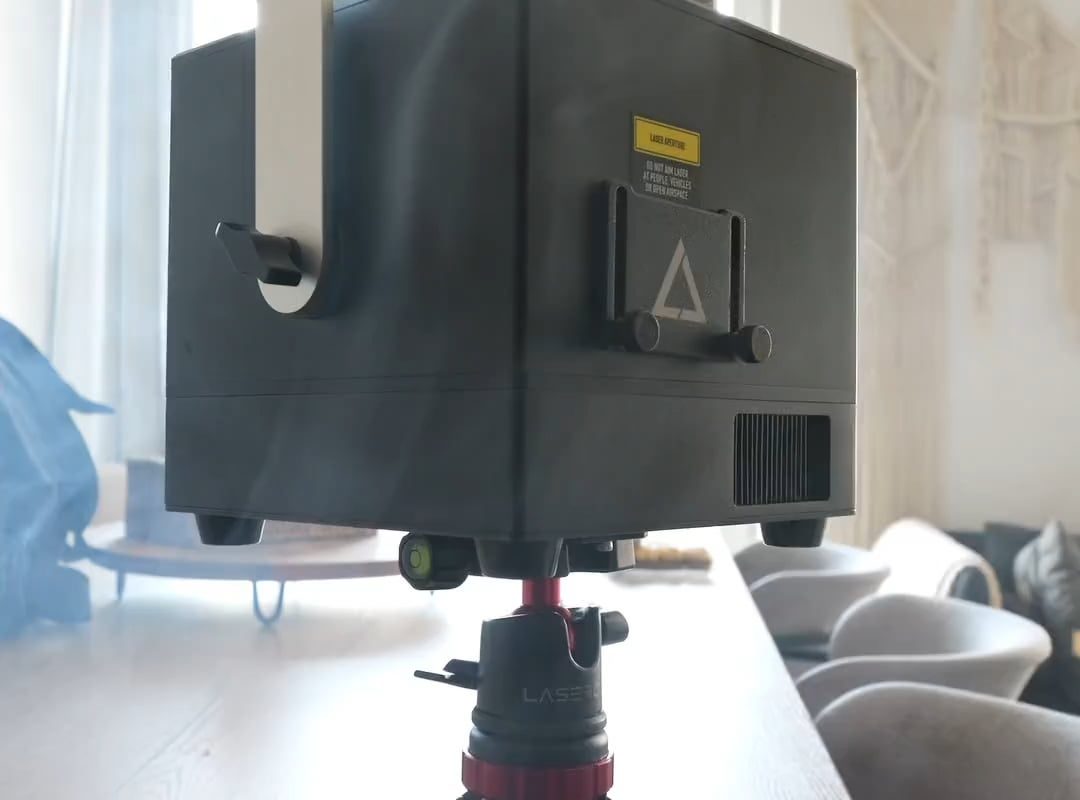
- A laser pointer (≥100mW power works best)
- Dark-colored balloons
- Safety goggles
- A stable surface or balloon holder
Instructions:
- Inflation: Blow up the balloon and tie it securely.
- Preparation: Place the balloon on a non-flammable surface or use a clamp to hold it steady.
- Safety First: Put on protective eyewear—lasers can cause eye damage!
- Aim & Fire: Hold the laser 6–12 inches away, focusing the beam on a single spot until the balloon bursts.
Troubleshooting: If the balloon doesn’t pop, your laser may be underpowered, or the balloon color may be too reflective.
Safety Considerations: A Non-Negotiable Priority
Lasers are potent tools—always prioritize safety:
- Eye Protection: Use certified laser safety goggles suitable for your laser’s wavelength.
- Skin Safety: Avoid direct contact with the laser beam (even low-power models can burn).
- Environment: Conduct experiments in a controlled area away from flammable materials, pets, or bystanders.
- Legal Compliance: High-powered lasers (≥5mW) are regulated in many regions—check local laws before use.
Never point a laser at people, animals, or aircraft.
Educational Applications
Popping balloons with a laser isn’t just fun—it’s a hands-on lesson in:
- Energy Transfer: Demonstrate how light converts to thermal energy.
- Material Science: Compare how different materials (latex vs. foil balloons) react to laser heat.
- Optics: Explore reflection, absorption, and focal points.
Ideal For: High school physics demos, STEM clubs, or science fair projects!
Choosing the Right Laser
Not all lasers are created equal. Here’s what works best:
- 5–100mW: Budget-friendly green or red laser pointers (ideal for small-scale tests).
- 100–300mW: Higher-powered blue/violet lasers burst balloons faster but require extreme caution.
- Avoid Cheap Lasers: Low-quality devices may have inconsistent output or safety risks.
5 Creative Laser Balloon Experiments
Take your project to the next level with these ideas:
- Color Wars: Test which balloon colors pop fastest (black vs. red vs. yellow).
- Distance Challenge: How far can the laser be and still pop the balloon?
- Pattern Play: Draw shapes with markers on the balloon—does ink affect popping speed?
- Double Trouble: Can a laser pop two stacked balloons at once?
- Material Test: Try foil, water-filled, or biodegradable balloons.
Conclusion
Popping balloons with a laser merges curiosity with science, offering a memorable way to explore physics principles. By following safety guidelines and experimenting creatively, you can master this activity responsibly. Whether you’re teaching a class or satisfying your inner scientist, this dazzling experiment promises explosive fun—literally!
Ready to unleash the power of light? Grab your laser, gear up safely, and let the popping begin!
Keywords for SEO:
Popping balloons with a laser, laser balloon experiment, how to pop a balloon with light, laser safety, science experiments with lasers, energy transfer demonstration, STEM projects, physics DIY.
Optimized for search visibility and user engagement while emphasizing safety and education.