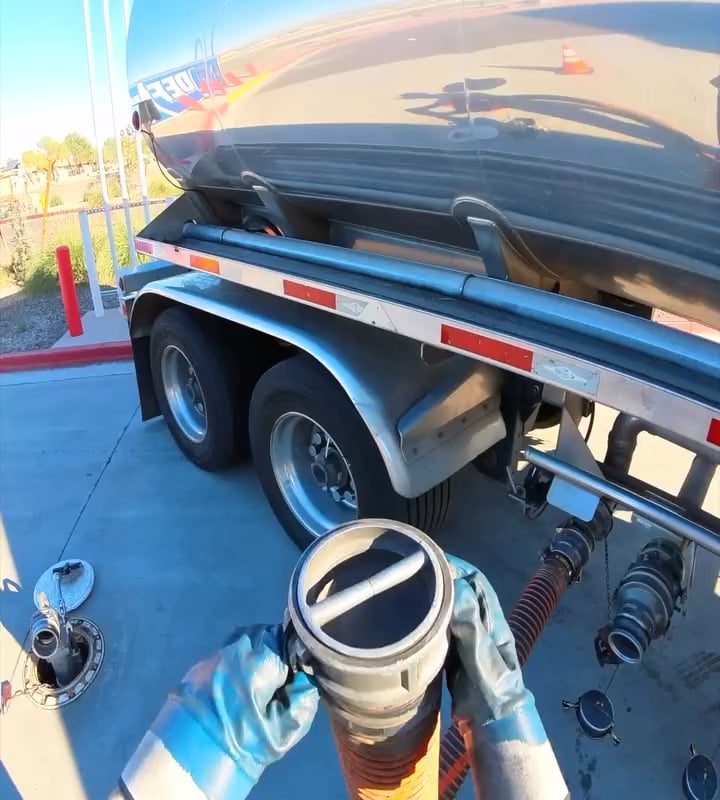
Source: thefuelguypov
Title: Behind the Nozzle: A Fuel Truck Operator’s Perspective on Safely Filling Underground Storage Tanks (USTs)
Meta Description: Step into the boots of a fuel truck operator! Learn the step-by-step process, safety protocols, and behind-the-scenes challenges of refilling underground storage tanks (USTs).
Introduction: The Unsung Heroes of Fuel Logistics
As a fuel truck operator, my job isn’t just about driving—it’s about precision, safety, and keeping communities moving. Every day, I deliver gasoline, diesel, or aviation fuel to gas stations, airports, and industrial sites, but the most critical part of my job is the underground storage tank (UST) fill-up. It’s a high-stakes process where a single mistake can spell environmental disaster or operational shutdown. Let me break down what happens from the cab to the tank.
Pre-Arrival Prep: The Checklist Never Lies
Before I even roll onto a site, preparation is key. Here’s what goes through my mind:
- Review Deliverables: Confirm fuel type, volume, and tank specifications (e.g., 10,000-gallon diesel UST).
- Safety Gear On: Steel-toe boots, flame-resistant (FR) clothing, gloves, and goggles are non-negotiable.
- Emergency Protocols: Know the location of spill kits, fire extinguishers, and emergency shutoffs.
On Site: The Dance of Safety and Precision
Step 1: Grounding and Bonding
Static electricity is a silent killer in fuel transfer. The first thing I do:
- Clip the Ground Wire: Attach it to the truck’s chassis to prevent sparks.
- Bond the Truck to the UST: Use a bonding cable to equalize electrical potential between the tanker and the UST.
“If you skip bonding, you’re gambling with a spark that could ignite vapor.”
Step 2: Tank Gauging & Venting Check
I never trust paperwork blindly. Instead:
- Manual Dipstick Test: Verify tank levels to avoid overfills.
- Listen for Venting: A whistling sound means the tank’s vent system is working. If it’s silent? Red flag—venting could be blocked, risking overpressure.
Step 3: Hook Up the Hoses
- Inspect Hoses & Couplings: Cracks or leaks mean instant rejection.
- Attach to the Fill Pipe: Secure the connection, ensuring no cross-contamination (e.g., diesel in an unleaded UST).
Step 4: Monitor the Meter & Vapor Recovery
- Start the Pump: Slowly ramp up flow to avoid surge pressure.
- Watch the Meter: Delivery tickets must match the UST’s receipt volume. A discrepancy could signal a theft leak.
- Vapor Recovery Systems: Capture fumes to prevent air pollution—mandatory for eco-compliance.
The Heart-Stopping Moments: Risk Management in Real Time
-
Overfill Prevention Devices (OPDs): Newer USTs have automatic shutoffs, but older tanks rely on my vigilance. A misjudged dipstick reading could spill hundreds of gallons.
-
Alarms & Sensors: If the tank’s high-level alarm screams mid-fill, I hit the emergency shutoff—fast.
-
Weather Woes: Rain? Lightning? Immediate stop. Fuel and water don’t mix, and lightning loves metal tanks.
Post-Delivery: Dot the I’s, Cross the T’s
- Disconnect Safely: Drain hoses, cap ends, and stow equipment.
- Double-Check Seals: Ensure fill caps are secure and locked (vandalism is real).
- Document Everything: Bill of lading, volume delivered, time stamps—audit trails are my alibi.
Why This Job Matters
One spill can contaminate groundwater or trigger million-dollar EPA fines. As a fuel truck operator, I’m the last line of defense between the supply chain and disaster. It’s a role that demands respect—for the process, the environment, and the people relying on that fuel.
FAQ: Fuel Truck Operators Answer Your Questions
Q: How long does a UST fill-up take?
A: 20–60 minutes, depending on volume (e.g., 5,000 vs. 20,000 gallons) and pump speed.
Q: What’s the #1 risk during fueling?
A: Static ignition or overfilling. Training and tech (like OPDs) save lives.
Q: Do you handle hazardous fuel types?
A: Yes—ethanol blends require extra corrosion checks, and aviation fuel demands zero water contamination.
Final Word: A Job Few See, All Rely On
Next time you fill your car, remember: a fuel truck operator’s precision made it possible. From bonding clamps to vapor sensors, we ensure energy keeps flowing—safely, silently, and sustainably.
Target Keywords: Fuel truck operator, UST filling process, underground storage tanks, fuel delivery safety, tanker truck operations, grounding and bonding fuel, overfill prevention, vapor recovery systems
Optimization Tips:
- Use headers with FAQs and keywords.
- Link to OSHA/NFPA guidelines for fueling safety.
- Include stats on UST leaks or operator training requirements for authority.