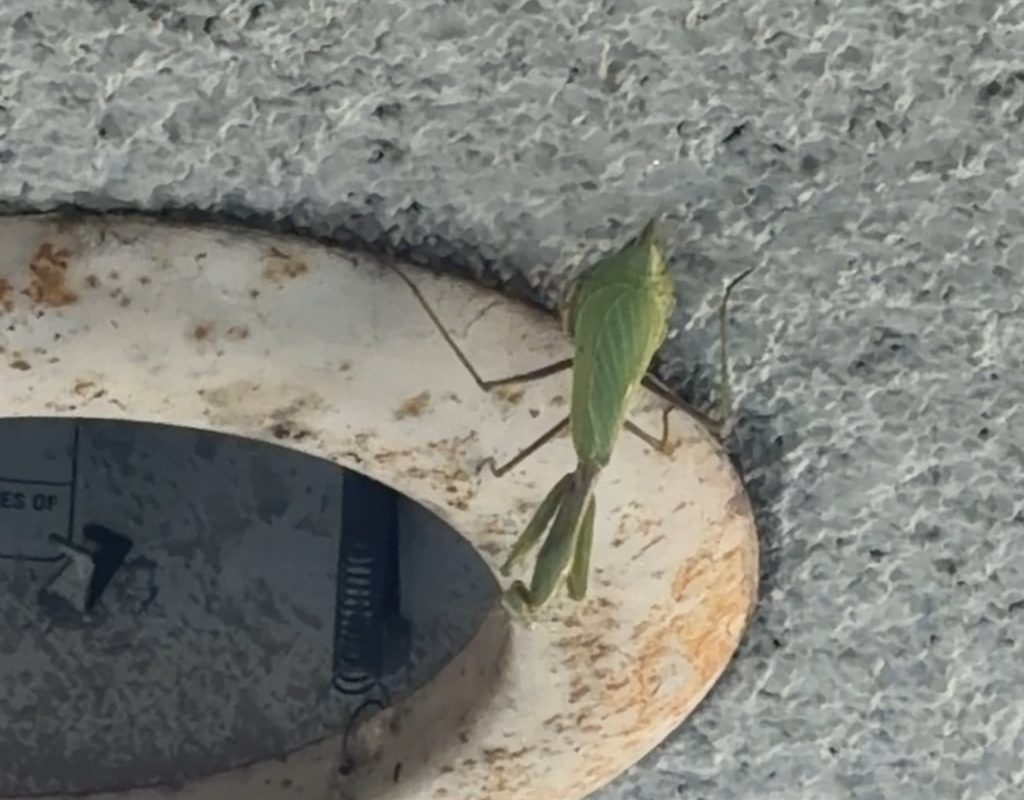
Praying mantis catches a wasp
Title: Praying Mantis Catches a Wasp: Nature’s Stealthy Predator in Action
Meta Description: Witness the incredible hunting skills of the praying mantis as it catches a wasp! Learn about its tactics, biology, and survival strategies in this thrilling nature deep-dive.
Praying Mantis Catches a Wasp: A Masterclass in Predation
Imagine a silent, camouflaged assassin waiting patiently in the foliage. Suddenly, in a blur of speed, it strikes—snatching a wasp mid-flight with razor-sharp forelegs. This isn’t a scene from a sci-fi movie; it’s the remarkable reality of a praying mantis catching its prey. In this article, we’ll explore the biology, hunting tactics, and risks behind this high-stakes predator-prey showdown.
Why Praying Mantises Hunt Wasps: A Risky Meal
Praying mantises are opportunistic carnivores that eat insects like moths, crickets, and grasshoppers. However, wasps present a unique challenge. Here’s why mantises pursue them despite the danger:
- High-Protein Reward: Wasps offer rich nutrition for mantis growth and reproduction.
- Territorial Defence: Mantises remove threats to their habitat by targeting aggressive wasps.
- Seasonal Opportunity: In late summer, wasps become abundant prey as mantises prepare to lay eggs.
But why is it risky? Wasps pack venomous stings and can fight back. A single sting could disable or kill an unwary mantis.
Praying Mantis vs. Wasp: Biology of the Hunters
The Mantis Advantage:
- Spiked Forelegs (Raptorial Arms): Act like switchblades, impaling prey in 50–70 milliseconds.
- 3D Vision: Their wide-set eyes detect movement with unparalleled precision.
- Camouflage: Masters of disguise, mantises mimic leaves or flowers to ambush prey.
Wasp Defense Tactics:
- Venomous Stinger: Delivers painful, paralyzing venom.
- Aerial Agility: Wasps dart unpredictably, making them hard targets.
- Swarm Signals: Some wasps release pheromones to call reinforcements.
Anatomy of an Ambush: How a Mantis Catches a Wasp
-
The Stalk:
The mantis remains motionless, swaying gently to mimic wind-blown foliage as the wasp approaches nearby flowers or prey. -
The Strike:
Using muscles faster than human eyes can track, the mantis snaps its forelegs around the wasp’s thorax, preventing it from using its stinger. -
The Kill:
The mantis bites the wasp’s head first, decapitating it to neutralize venom and resistance. -
The Feast:
The mantis chews methodically, consuming the wasp’s nutrient-rich body while avoiding the venom sac.
Survival Instincts: Do Wasps Ever Escape?
While mantises win most battles, wasps can counterattack:
- Stinging Mid-Capture: Wasps may twist to sting the mantis’s legs or eyes.
- Swarm Attacks: Social wasps (e.g., yellow jackets) overwhelm solitary mantises.
- Chemical Warfare: Venom can cause paralysis, leading to the mantis dropping its prey.
Capturing the Moment: Wildlife Photography Tips
Want to photograph this rare event? Here’s how:
- Timing: Dusk or dawn, when both species are active.
- Location: Gardens, meadows, or near flowering plants.
- Gear: Use a macro lens and fast shutter speed (>1/1000 sec).
FAQs: Praying Mantis and Wasp Encounters
Q: Can a praying mantis die from eating a wasp?
A: Rarely. Mantises avoid the venom sac, but if stung mid-attack, they may succumb.
Q: Do praying mantises eat hornets or honeybees?
A: Yes—larger mantis species often hunt bees, hornets, and even hummingbirds!
Q: Can I keep a mantis to control wasps in my garden?
A: Not recommended. Introduced mantises can disrupt local ecosystems.
Conclusion: Nature’s Fierce Ballet
The praying mantis’s ability to catch a wasp showcases evolution’s brilliance—a blend of speed, stealth, and anatomical weaponry. While humans view wasps as pests, they play a vital ecological role, making this predator-prey dance a high-stakes balancing act.
Want more nature showdowns? Subscribe for deep dives into insect battles, from dragonflies vs. spiders to ant wars!
SEO Optimizations:
- Primary Keyword: “Praying mantis catches a wasp” (used in H1, intro, meta).
- LSI Keywords: Praying mantis hunting, mantis vs wasp, praying mantis food.
- Image Suggestions: Mantis eating wasp close-up, Mantis camouflage, Wasp defense mechanisms.
- Internal Links: Link to related articles (e.g., “How Do Praying Mantises Hunt?”).
- Readability: Short paragraphs, bullet points, and descriptive subheaders (H2/H3).
By blending science-backed details with thrilling narration, this article targets nature enthusiasts, photographers, and educators while ranking for competitive insect-behavior keywords. Let me know if you’d like to expand sections or refine the tone!