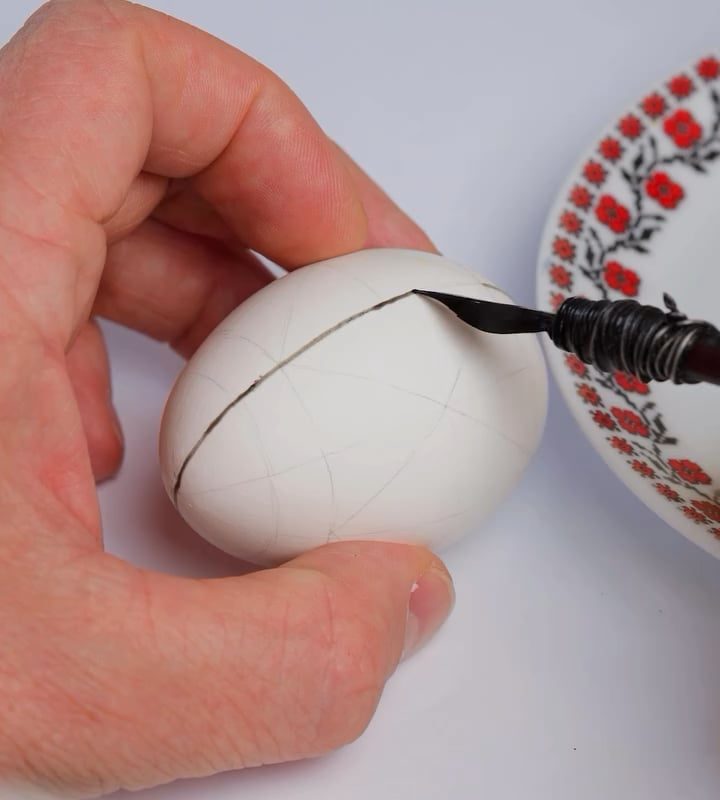
“Traditional patterns and symbols are applied to the egg using wax. The egg is then dipped into dye, covering all but the waxed areas. The process is repeated to achieve the desired pattern and colours. Personal wishes and messages are captured in the symbols used.”
Meta Title: Pysanka: The Ancient Ukrainian Art of Wax-Resist Egg Decoration | History & Meaning
Meta Description: Explore the enchanting tradition of Pysanka, Ukraine’s iconic wax-resist egg decorating art. Uncover its symbolism, techniques, and cultural legacy.
Pysanka: Ukraine’s Timeless Tradition of Wax-Resist Egg Artistry
Pysanka (plural: pysanky) is an ancient Ukrainian folk art form where intricately decorated eggs are created using a delicate wax-resist (batik) method and vibrant dyes. More than just a craft, pysanky are sacred symbols of life, renewal, and cultural identity, traditionally crafted during Lent in preparation for Easter. Today, this UNESCO-recognized tradition represents Ukraine’s resilience and artistic soul.
The Origins & Spiritual Roots of Pysanka
Pysanka-making dates back thousands of years to pre-Christian Ukraine, when eggs symbolized spring rebirth and the sun’s life-giving power. Ancient agrarian communities adorned eggs with talismanic patterns to invoke protection, fertility, and harmony with nature. With the advent of Christianity in 988 CE, pysanky evolved to embrace Easter symbolism while retaining their pagan motifs, harmonizing Ukraine’s spiritual heritage.
Key Historical Moments:
- Pagan Era: Eggs honored gods like Dazhboh (Sun God) and Berehynia (Earth Mother).
- Christian Adoption: Eggs became Easter emblems of Christ’s resurrection.
- Soviet Suppression: The USSR banned pysanky to erase cultural identity, but Ukrainians secretly preserved the tradition.
- Modern Revival: Post-independence (1991), pysanky surged as a symbol of national pride.
The Symbolism Behind Pysanka Designs
Every line, color, and motif on a pysanka carries deep meaning, often passed down through generations. Designs vary by region (e.g., Hutsul highlanders’ bold geometric patterns vs. Polissya’s floral motifs).
Common Symbols & Their Meanings:
| Motif | Meaning |
|---|---|
| Sun & Stars | Life, warmth, and divine guidance. |
| Deer/Horses | Strength, prosperity, and health. |
| Rakes/Combs | Rainfall for agricultural abundance. |
| Floral Vines | Eternal life and love. |
| Crosses | Faith, the four cardinal directions. |
Color Symbolism:
- Red: Joy, passion, Christ’s sacrifice.
- Yellow: Sunlight, youth, good harvests.
- Black: Eternity, the “dark” before creation.
- Green: Spring, rebirth, nature’s vitality.
Step-by-Step: How Pysanky Are Made
Creating pysanky is a meditative process requiring precision, patience, and a steady hand. Artisans use a kistka (stylus) to apply melted beeswax onto eggs before dyeing them layer by layer.
Traditional Process:
- Emptying the Egg: Raw eggs are carefully pierced and drained.
- Design Planning: Patterns are sketched lightly in pencil.
- Wax Application: The kistka draws wax lines to preserve each base color.
- Dye Baths: Eggs are dipped from lightest (yellow) to darkest (black) dyes.
- Wax Removal: Finally, the wax is melted off with candle heat, unveiling the vibrant design.
⚠️ Note: Chicken eggs are most common, but goose, quail, or even ostrich eggs elevate the art.
Pysanky in Modern Ukraine & Beyond
Pysanka remains integral to Ukrainian identity, especially amid Russia’s 2022 invasion. Communities worldwide now host workshops, safeguarding this heritage. Museums like Kolomyia’s Pysanka Museum (built like a giant egg!) display thousands of historic pieces. The art also inspires modern adaptations—jewelry, murals, and digital NFTs.
Global Recognition:
- UNESCO Status: Pysanky-making is inscribed on Ukraine’s Intangible Cultural Heritage list.
- Public Art: Giant pysanky sculptures grace cities like Kyiv and Lviv.
- Charity Projects: NGOs sell pysanky to fund humanitarian aid for Ukraine.
FAQs About Ukrainian Pysanky
Q: Are pysanky only made for Easter?
A: While closely tied to Easter, they’re crafted year-round as art and cultural emblems.
Q: Can beginners learn pysanky?
A: Absolutely! Kits with kistkas, dyes, and tutorials make it accessible.
Q: How long does a pysanka last?
A: With care (avoid moisture/sunlight), they can endure decades.
Q: Do men make pysanky?
A: Historically, women dominated the craft, but today artists of all genders participate.
Final Thoughts
Pysanky are more than dazzling Easter décor—they’re vessels of history, hope, and Ukrainian resistance. Each egg whispers stories of ancestors who turned fragility into enduring beauty. By learning or supporting this art, we honor a culture that refuses to fade.
Писанка – це душа України.
“A pysanka is the soul of Ukraine.”
Call to Action:
- Attend a pysanky workshop (virtual or local).
- Support Ukrainian artisans via platforms like Etsy or UaHands.
- Share this article to spread awareness of Ukraine’s living heritage.
Keywords for SEO: Ukrainian Easter eggs, wax-resist eggs, Pysanky tradition, how to make pysanky, Ukrainian egg art, symbolic egg designs, UNESCO Ukraine heritage, Easter crafts, Ukrainian cultural symbols.