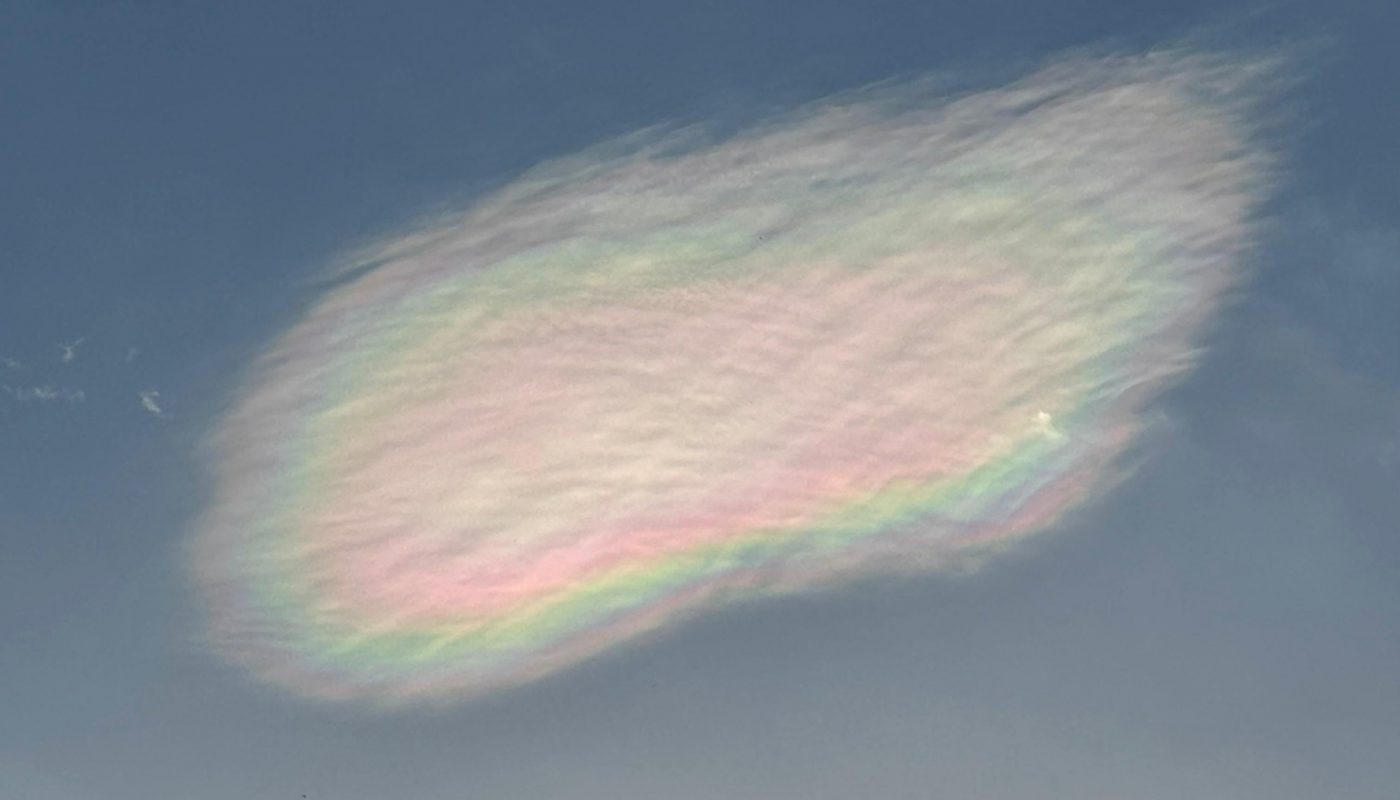
Rainbow cloud
Meta Title: Rainbow Clouds: Unveiling the Science & Magic of Iridescent Skies
Meta Description: Discover the enchanting phenomenon of rainbow clouds! Learn how they form, where to spot them, and the science behind their mesmerizing colors.
Rainbow Clouds: The Science Behind Nature’s Iridescent Sky Displays
Have you ever looked up at the sky and spotted a cloud shimmering with vibrant rainbow hues? These ethereal spectacles, often called “rainbow clouds,” are a rare but breathtaking meteorological marvel. From fiery reds to electric blues, these iridescent clouds transform ordinary skies into canvases of living color. But what causes this phenomenon, and how can you witness it firsthand? Let’s explore the science, folklore, and magic of rainbow clouds!
What Is a Rainbow Cloud?
Rainbow clouds—scientifically known as iridescent clouds or nacreous clouds—are a type of cloud that diffracts sunlight, splitting it into spectral colors like a prism. Unlike rainbows, which form from raindrops, rainbow clouds occur when sunlight interacts with tiny ice crystals or water droplets in high-altitude clouds. The result? A surreal, oil-slick-like display of pastel or neon colors dancing across the cloud’s surface.
Key Characteristics:
- Colors: Soft pinks, purples, greens, and golds, often arranged in bands or patches.
- Cloud Types: Most common in cirrocumulus, altocumulus, or lenticular clouds.
- Rarity: Short-lived and rare, requiring precise atmospheric conditions.
How Do Rainbow Clouds Form? The Science Explained
Rainbow clouds owe their beauty to a phenomenon called diffraction—the bending and scattering of light waves around tiny particles. Here’s a step-by-step breakdown:
-
The Right Cloud Composition:
- Thin, high-altitude clouds (typically 15,000–25,000 feet) composed of uniform ice crystals or tiny water droplets.
- Optimal clouds are semi-transparent, allowing light to penetrate and interact.
-
Sunlight Meets Cloud Particles:
- When sunlight passes through these clouds, light waves collide with ice or water particles of similar size to the light’s wavelength.
- This causes light to bend (diffract) and separate into its component colors.
-
The Diffraction Grating Effect:
- Much like a CD reflecting rainbows, the cloud acts as a natural “diffraction grating.”
- Colors appear vibrant when the sun is obscured (e.g., behind thicker clouds) but still illuminates the iridescent cloud’s edge.
-
Angle Matters:
- Like solar halos, iridescence is best seen when the sun is low (near sunrise/sunset) and the cloud is within 10–40 degrees from the sun.
Why Are Some Clouds Iridescent and Others Not?
- Uniform Particle Size: Iridescence requires tiny particles of nearly identical size to diffract light coherently.
- Cloud Thickness: Thin clouds allow light to pass through; thick clouds block or scatter light randomly.
When and Where to Spot Rainbow Clouds
While unpredictable, these tips boost your chances of witnessing this phenomenon:
Best Viewing Conditions:
- Timing: Shortly after sunrise or before sunset, when sunlight is soft and low-angle.
- Location: Anywhere with clear skies and high-altitude cloud formations. Ideal spots include:
- Mountainous regions (lenticular clouds common near peaks).
- Coastal areas with active weather systems.
- Weather: After a storm, when unstable air creates varied cloud layers.
Photographing Rainbow Clouds:
- Use a polarizing filter to enhance colors.
- Avoid overexposure; underexpose slightly to capture subtle hues.
- Frame against a dark backdrop (e.g., storm clouds) for contrast.
Cultural Significance: Rainbow Clouds in Mythology
Throughout history, iridescent clouds have inspired awe and folklore:
- Chinese Mythology: Called “Jade Belts,” they symbolized good fortune and divine blessings.
- Nordic Legends: Believed to be Bifröst—the glowing bridge to Asgard.
- Modern Symbolism: Often seen as omens of hope or cosmic harmony.
Rainbow Clouds vs. Similar Phenomena
Don’t confuse iridescent clouds with these other sky wonders:
- Rainbows: Form from raindrops, always opposite the sun in a full arc.
- Solar Halos: Icy cirrus clouds create 22-degree rings around the sun/moon.
- Fire Rainbows (Circumhorizon Arcs): Larger, horizon-parallel bands from plate-shaped ice crystals.
FAQs About Rainbow Clouds
Q: Are rainbow clouds dangerous?
A: No! They’re purely optical phenomena and don’t indicate severe weather.
Q: Can I predict when they’ll appear?
A: Not easily, but follow weather apps for “cirrocumulus” or “altocumulus” cloud forecasts.
Q: Why are the colors sometimes patchy?
A: Uneven particle sizes or cloud density scatter light inconsistently.
Conclusion: Chase the Chromatic Magic
Rainbow clouds remind us of nature’s ability to blend science and art in the sky. Whether you’re a photographer, weather enthusiast, or simply a dreamer, keep your eyes on the clouds—especially when the sun hangs low. Who knows? You might just catch a fleeting glimpse of the atmosphere’s most dazzling secret.
Next time you spot a shimmering cloud, snap a photo and tag #RainbowCloudMagic to share the wonder!
Target Keywords: Rainbow cloud, iridescent clouds, cloud iridescence, nacreous clouds, colorful clouds, sky optics, weather phenomena.
Internal Linking Opportunities: Link to related articles on rainbows, halos, cloud types, or weather photography tips.
Visual Suggestion: Include high-res images of iridescent clouds with alt text like “Iridescent rainbow cloud formation during sunset.”
This article balances science, storytelling, and SEO to engage readers while ranking for key terms. 🌈☁️