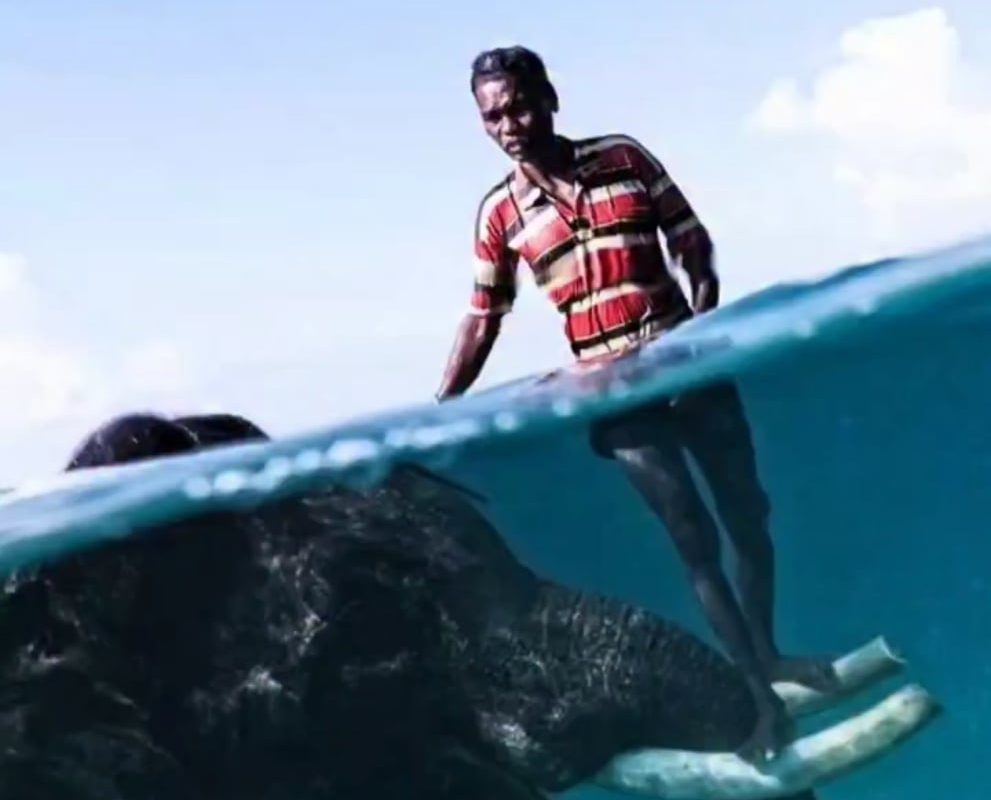
Rajan the elephant
Rajan the Elephant: The Legendary Swimming Elephant of the Andaman Islands
In the turquoise waters of the Andaman and Nicobar Islands, a gentle giant once made waves—both literally and figurarily. Rajan, the world-famous swimming elephant, captivated hearts worldwide with his extraordinary story. This is the legacy of an elephant who defied expectations, embraced the ocean, and became an icon of wildlife charm, resilience, and human-animal connection.
Who Was Rajan the Elephant?
Rajan was an Asian elephant (Elephas maximus) who lived on Havelock Island (now Swaraj Dweep) in the Andaman archipelago. Born in mainland India around 1950, Rajan was brought to the islands in 1963 to assist with logging operations alongside other working elephants. When logging declined in the 1980s, Rajan’s life took an unexpected turn.
Unlike most elephants, Rajan mastered a unique skill: swimming in the ocean. With no natural predators in the waters and the encouragement of his mahout (caretaker), Rajan began wading into the warm Indian Ocean, eventually swimming gracefully alongside local fishermen. This rare behavior turned him into a local celebrity—and later, an international sensation.
Rajan’s Rise to Fame
Rajan’s remarkable aquatic ability attracted global attention:
- Media Stardom: He appeared in documentaries like “Rajan: The Last Swimming Elephant” (2004) and was featured in magazines like National Geographic.
- Hollywood Cameo: He swam alongside actor Matt Damon in the 2004 film The Bourne Supremacy, cementing his status as a pop-culture icon.
- Tourism Magnet: Visitors flocked to Havelock Island for a chance to see—or even swim with—Rajan, boosting eco-tourism in the region.
A Symbol of Conservation & Ethical Tourism
Rajan’s story transcended novelty. He became a symbol of wildlife conservation and the ethical treatment of working animals:
- Retirement in Paradise: After decades of labor, Rajan spent his later years enjoying a peaceful semi-retirement, interacting with tourists under regulated, humane conditions.
- Ambassador for Elephants: His story highlighted the complex relationship between humans and elephants, sparking conversations about animal welfare in tourism.
- Legacy of Awareness: Rajan’s ocean swims drew attention to the need to preserve the Andamans’ fragile ecosystems and protect endangered Asian elephants.
Rajan’s Final Years & Legacy
Rajan passed away in 2016 at the approximate age of 66—exceptionally long-lived for an Asian elephant in captivity. His death was mourned globally, but his legend endures:
- Cultural Icon: Locals and tourists still share stories of Rajan’s playful splashes and serene presence.
- Conservation Catalyst: His life inspired initiatives to protect Andaman wildlife, including coral reefs and endemic species.
- A Reminder of Coexistence: Rajan proved that humans and animals can share bonds of trust and mutual respect.
Visiting Rajan’s Homeland: The Andaman Islands
Though Rajan is gone, his spirit lives on in the Andamans. Travelers can:
✅ Explore Havelock Island’s Beaches: Radhanagar Beach (#2 on Time magazine’s “World’s Best Beaches” list) was Rajan’s favorite swimming spot.
✅ Support Ethical Wildlife Tours: Choose eco-conscious operators that prioritize animal welfare.
✅ Learn About Conservation: Visit local sanctuaries and museums to understand the region’s biodiversity.
Conclusion: The Unforgettable Journey of Rajan the Elephant
Rajan’s life was a testament to adaptability, resilience, and the magic of interspecies friendship. From logging camps to Hollywood screens, his story reminds us of the beauty in nature’s unexpected wonders. As we cherish his memory, let Rajan inspire us to protect elephants and the fragile paradises they call home.
Rajan—the swimming elephant—will forever glide through history, a gentle giant of sea, sand, and soul.
SEO Keywords: Rajan the elephant, swimming elephant Andaman, famous elephant India, Rajan Havelock Island, Asian elephant conservation, ethical elephant tourism, Andaman Islands wildlife, The Bourne Supremacy elephant.