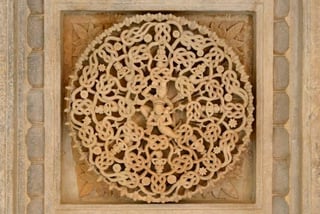
Ranakpur Jain Temple,Rajasthan,India built in 1446 CE.
Discover the Architectural Marvel of Ranakpur Jain Temple: Rajasthan’s 15th-Century Gem
Nestled amidst the serene Aravalli Hills of Rajasthan, the Ranakpur Jain Temple stands as a breathtaking testament to faith, artistry, and timeless craftsmanship. Built in 1446 CE, this sacred pilgrimage site is one of India’s largest and most intricate Jain temples, drawing visitors worldwide for its spiritual aura and architectural grandeur. Let’s explore why this UNESCO World Heritage Site nominee belongs on every traveler’s Rajasthan itinerary.
A Temple Born from Divine Vision
The Ranakpur Temple owes its existence to Dharna Shah, a wealthy Jain merchant inspired by a celestial vision of Chaumukha – a four-faced form of Adinatha (the first Jain Tirthankara). With the patronage of Rana Kumbha, the Rajput ruler of Mewar, Shah commissioned a temple complex that took over 50 years to complete. Master architect Depaka led the project, using pure white marble to realize Shah’s divine dream.
Architectural Brilliance: Where Stone Comes Alive
The temple’s dedication to Adinatha is mirrored in its Chaumukha Mandir (Four-Faced Temple), a masterpiece of symmetry and detail that embodies Jain principles of cosmic order. Key highlights include:
1. The 1,444 Uniquely Carved Pillars
No two pillars in the temple are identical. Each is adorned with exquisite floral patterns, deities, and dancers, creating a mesmerizing labyrinth of stone. Sunlight filters through the pillars, casting ever-shifting patterns that symbolize life’s impermanence.
2. The Celestial Dome & 84 Shikharas
The main sanctum’s dome features 1080 intricately carved snake heads, representing the cosmic serpent. Surrounding it are 84 spires (shikharas), each rising like a mountain peak toward spiritual liberation.
3. Sacred Geometry & Symbolism
The temple aligns perfectly with cardinal directions, its design reflecting Mandala principles. The four-faced Adinatha idol faces all directions, signifying the Tirthankara’s universal wisdom.
Beyond the Main Temple: A Spiritual Complex
While the Chaumukha Mandir is the crown jewel, Ranakpur’s complex includes two smaller Jain temples dedicated to Parsvanatha and Neminatha, plus a Sun Temple. Don’t miss:
- The “Singing Pillars”: Gentle taps make certain pillars resonate melodiously.
- Elephant Carvings: Symbolizing strength and stability at the temple entrances.
- The Underground Chamber (Kirti Stambha): A quiet space for meditation.
Visitor Essentials: Planning Your Trip
- Location: 23 km from Sadri Town (Pali District), Rajasthan.
- Best Time to Visit: October–March (cool weather; avoid monsoon closures).
- Timings: 12:00 PM–5:00 PM (non-Jains); opens earlier for devotees.
- Dress Code: Modest clothing covering shoulders/knees. Remove footwear before entry.
Nearby Attractions:
- Kumbhalgarh Fort: UNESCO site with India’s second-longest wall.
- Sadri’s Vintage Temples: Explore ancient Hindu and Jain shrines.
Why Ranakpur Temple Is Unforgettable
Ranakpur isn’t just a temple—it’s an immersive experience. As sunlight dances on marble lattices and the silence hums with centuries of devotion, visitors leave awestruck by humanity’s capacity to create divinity in stone. A marvel of faith and precision, it remains Rajasthan’s crowning glory in sacred architecture.
Keywords for SEO:
Ranakpur Jain Temple Rajasthan, Chaumukha Mandir, 1446 CE Jain Temple, UNESCO World Heritage Site India, Dharna Shah Temple, Marble Architecture Rajasthan, Jain Pilgrimage Sites India, Aravalli Hills Tourism, Temple with 1444 pillars.