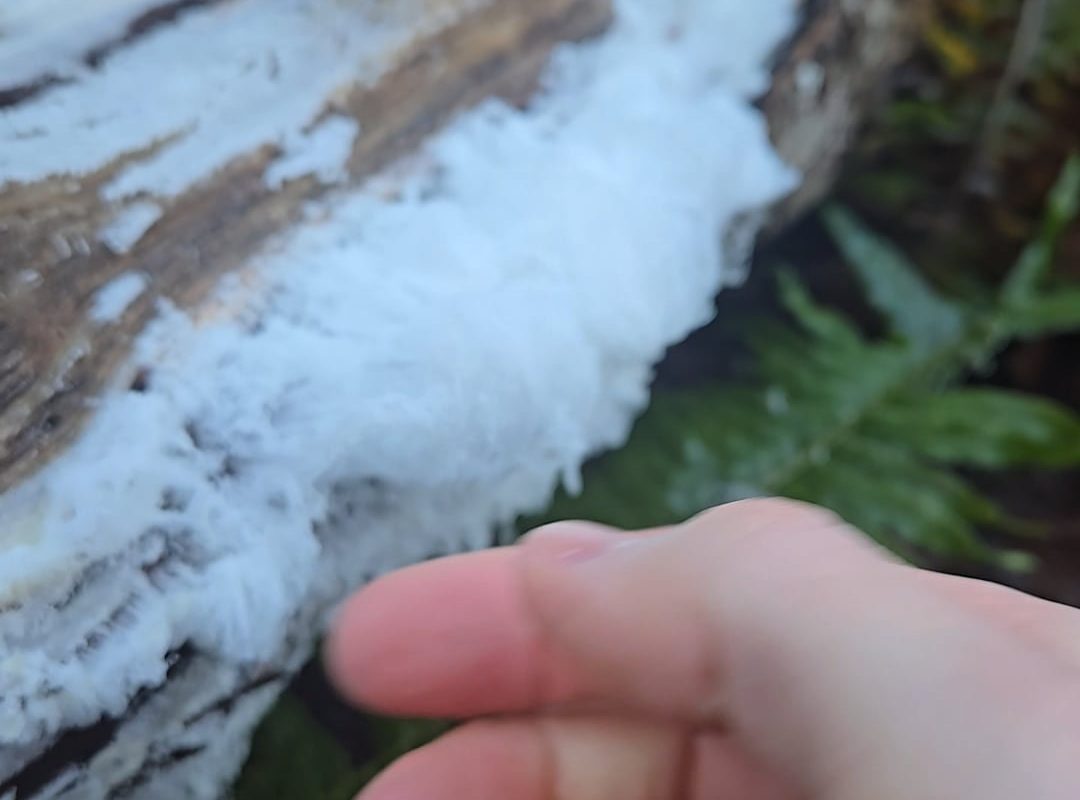
Rare phenomenon from the fungus “exidiopsis effusa” creates “hair ice” and is the coolest thing I’ve ever found in the forest
Title: Hair Ice: The Enchanting Forest Mystery Created by the Fungus Exidiopsis effusa
Meta Description: Discover hair ice—the rare, stunning natural phenomenon formed by the fungus Exidiopsis effusa. Learn the science, where to find it, and why it’s nature’s coolest winter magic.
What Is Hair Ice? Nature’s Frosty Masterpiece
Imagine walking through a quiet winter forest and stumbling upon a fallen branch covered in delicate, silky strands of ice, finer than spider silk and glimmering like spun glass. This isn’t a fairy tale illusion—it’s hair ice, one of nature’s rarest and most ethereal phenomena. Centuries-old mysteries surround its formation, but science has now revealed its unlikely sculptor: a humble fungus called Exidiopsis effusa.
The Science Behind Hair Ice: A Fungus-Ice Partnership
Hair ice forms under specific conditions:
- Temperature: Just below 0°C (32°F) on humid winter nights.
- Location: Dead, moist branches from broadleaf trees (like oak or beech).
- The Fungus Factor: Exidiopsis effusa colonizes the wood, releasing natural compounds that reshape ice crystals.
Here’s how it works:
- Moisture Meets Cold: Water inside the wood freezes, expanding and pushing through tiny pores.
- Fungal Magic: Exidiopsis effusa produces “recrystallization inhibitors” (similar to antifreeze proteins), forcing ice to form into hair-like filaments instead of solid chunks.
- Delicate Preservation: These filaments stay stable for hours (or days) in near-freezing, wind-free conditions, creating strands as fine as 0.01 mm in diameter.
Without the fungus, you’d only get ordinary frost.
Where and When to Find Hair Ice
This fleeting spectacle is rare, but you can boost your odds:
- Region: Temperate forests (common in Europe, North America, and parts of Asia).
- Season: Winter mornings after damp, near-freezing nights.
- Look Down: Check fallen branches in shady, undisturbed areas.
Pro Tip: Bring a magnifying glass! Up close, hair ice resembles cotton candy or ethereal ribbons.
Why Is Hair Ice So Rare?
- Fungus Dependency: Only Exidiopsis effusa enables the phenomenon (other fungi won’t work).
- Precise Conditions: Humidity, temperature, wood type, and fungal presence must align perfectly.
- Ephemeral Beauty: Warmth or sunlight melts it quickly—catch it at dawn!
The “Coolest” Forest Discovery
Hikers and scientists alike marvel at hair ice’s surreal beauty. It was even featured in a 2015 study confirming Exidiopsis effusa’s role, making it one of few natural ice formations shaped by biology. As environmentalist Robert Hofmann noted, “It’s like finding lace woven by winter itself.”
Preserving Nature’s Wonders
Hair ice reminds us how intricate ecosystems create magic. Protecting old-growth forests ensures habitat for Exidiopsis effusa—and future chances to witness this wonder.
Ready to Hunt for Hair Ice?
- Pack Wisely: Camera, flashlight, and patience.
- Tread Lightly: Avoid disturbing the delicate ice or decaying wood.
- Share Your Find: Tag #HairIce to inspire fellow nature lovers!
Final Thoughts
Hair ice is a fleeting reminder that nature conceals artistry in unexpected places. Next time you wander a frosty forest, pause and look closely—the shimmering work of Exidiopsis effusa might just take your breath away.
Experience the magic. Protect the science. Share the wonder.