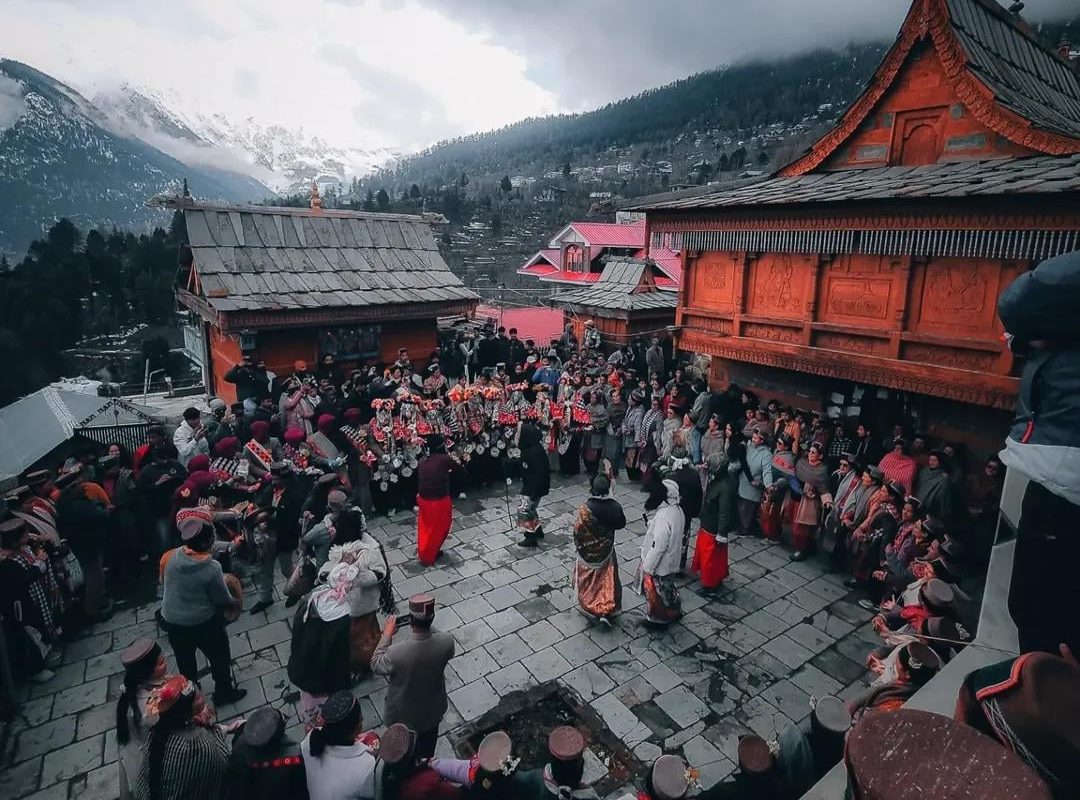
Raulane — Festival of Fairies (Kinnaur, India)
Meta Description: Discover the enchanting Raulane Festival of Fairies in Kinnaur, India – a mystical celebration of nature, folklore, and Kinnauri tribal culture. Explore traditions, rituals, and travel tips.
Raulane Festival: Kinnaur’s Magical Celebration of Fairies and Nature
Nestled in the remote Himalayas of Himachal Pradesh, Kinnaur is a land of breathtaking landscapes, ancient traditions, and vibrant folklore. Among its many cultural treasures, the Raulane Festival (also known as the Festival of Fairies) stands out as a spellbinding celebration of nature spirits, local deities, and Kinnaur’s deep-rooted connection to the mystical world.
What is the Raulane Festival?
Raulane, celebrated primarily in Kinnaur’s tribal villages, is a unique festival dedicated to appeasing and honoring the Jognis (or fairies) – benevolent spirits believed to reside in forests, rivers, and mountains. Kinnauris view these beings as guardians of nature who influence agricultural prosperity, health, and harmony. The festival blends animist beliefs, Hinduism, and Tibetan Buddhist influences, reflecting Kinnaur’s cultural crossroads.
The Origins & Significance of Raulane
- Mythological Roots: Legends say the Jognis descend from celestial realms during Raulane to bless the land. Locals perform rituals to seek their protection against disasters and ensure bountiful harvests.
- Ecological Connection: The festival underscores Kinnaur’s eco-spiritual ethos—nature is sacred, and humans must coexist respectfully with invisible realms.
- Cultural Preservation: Raulane safeguards vanishing oral traditions, from folk songs to rituals passed down through generations.
When & Where is Raulane Celebrated?
- Timing: Raulane is typically held in early autumn (September–October), aligning with harvest cycles. Dates vary by village, following the lunar calendar.
- Locations: Key celebrations occur in Kinnaur’s villages like Kalpa, Sangla, Nichar, and Pooh. Remote hamlets host intimate ceremonies, while larger villages stage public festivities.
Festival Highlights & Rituals
1. Invoking the Fairies (Jogni Puja)
Villagers gather at sacred groves or riversides, led by local priests (Khakhas), to perform pujas (prayers) for the Jognis. Offerings include:
- Ghuggis (Barley Flour Cake): Symbolizes gratitude for crops.
- Local Fruits & Flowers: Honoring nature’s bounty.
- Handcrafted Woolen Threads (Doras): Tied to trees as wishes for protection.
2. Folk Dances & Music
The hypnotic Chham dance takes center stage, with performers in vibrant Kinnauri attire (woolen cholas and ornate headgear) dancing to drums and wind instruments. Stories of fairies, heroes, and ancient deities come alive through song.
3. Communal Feasts
Families share traditional dishes like:
- Madra (Yogurt-based lentil curry)
- Chilta (Buckwheat pancakes)
- Arak (Local barley liquor)
4. Masked Processions
In some villages, masked dancers embody spirits, reenacting myths of Jognis blessing Kinnaur. The masks, carved from cedarwood, are considered sacred.
Why Raulane is a Must-Experience for Travelers
- Untouched Authenticity: Unlike commercialized festivals, Raulane offers a rare glimpse into Kinnaur’s spiritual soul.
- Stunning Backdrop: Celebrate amidst apple orchards, snow-capped peaks, and the Baspa River.
- Cultural Immersion: Engage with Kinnauri hospitality, famed for warmth and storytelling.
Travel Tips for Attending Raulane
- Permission: Some rituals are private; consult villagers or guides before participating.
- Respect Customs: Dress modestly, avoid leather near sacred sites, and seek consent for photos.
- Best Bases: Stay in Kalpa or Sangla Valley – they offer homestays and hotels.
- Getting There:
- Nearest Airport: Shimla (244 km, 10-hour drive).
- Roads: NH5 connects Kinnaur to Shimla. Expect rugged terrain!
Beyond Raulane: Explore Kinnaur’s Hidden Gems
Extend your trip to see:
- Kamru Fort: A 1,000-year-old wooden fort-temple dedicated to Kamakhya Devi.
- Rakchham-Chitkul: India’s last inhabited village near the Tibet border.
- Narayan-Nagini Temple: Unique serpent-carved shrine in Jhangi.
FAQs About Raulane Festival
Q: Is Raulane linked to any other Indian festivals?
A: It shares similarities with Losar (Tibetan New Year) and Phulaich (Kinnaur’s flower festival), but remains distinct in its fairy worship.
Q: Can solo travelers attend Raulane?
A: Yes, but hiring a local guide ensures deeper cultural understanding and logistical support.
Q: What’s the best way to support Kinnaur’s culture?
A: Buy handwoven Kinnauri shawls or handicrafts directly from weavers. Respect sacred spaces and avoid littering.
Conclusion: The Magic of Raulane
Raulane Festival isn’t just an event—it’s a living tapestry of Kinnaur’s myths, ecology, and resilience. As modernization encroaches, festivals like Raulane remind us to listen to the whispers of the mountains and honor the unseen forces that sustain life. For the intrepid traveler, it’s a journey into a world where fairies still dance in the moonlight, and ancient rhythms pulse through the Himalayan winds.
Experience Raulane: Where Legends Walk Among Us.