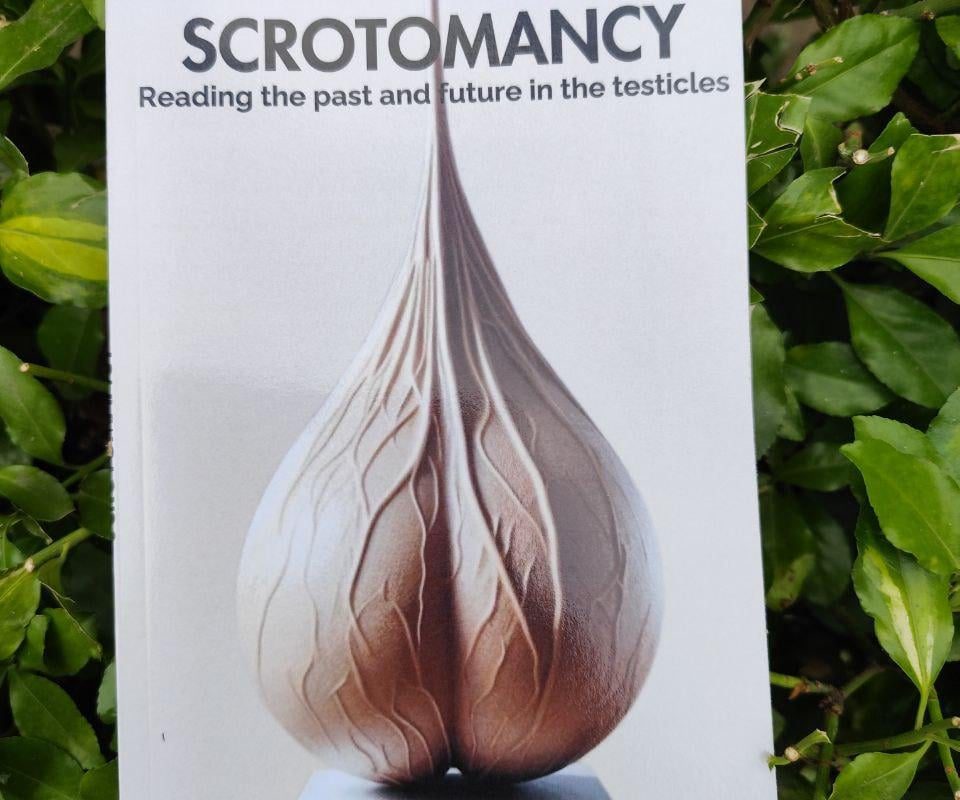
Real manual on reading the folds and wrinkles of the scrotal sac
Title: Understanding Scrotal Skin: A Guide to Folds, Wrinkles, and Normal Anatomy
Meta Description: Wondering about the folds and wrinkles of the scrotal sac? This manual explains scrotal anatomy, its purpose, and when to consult a healthcare provider.
Slug: scrotal-sac-folds-wrinkles-anatomy-guide
Introduction to Scrotal Skin Anatomy
The scrotal sac (scrotum) is a unique part of the male reproductive system, housing the testicles and protecting sperm production. Its appearance—characterized by folds, wrinkles, and varying textures—often raises curiosity. While cultural myths occasionally link scrotal wrinkles to personality traits or health predictions (not medically validated), understanding the biological purpose of this skin can clarify what’s normal versus concerning.
Why Does the Scrotum Have Wrinkles and Folds?
The scrotum’s crumpled texture serves critical physiological roles:
-
Temperature Regulation:
- The testicles must stay cooler than core body temperature for optimal sperm production.
- Wrinkles increase surface area, allowing heat to dissipate more efficiently. When cold, muscles contract (cremasteric reflex), pulling the scrotum closer to the body and smoothing some folds to conserve warmth.
-
Skin Elasticity & Protection:
- Loose, folded skin accommodates movement and testicular shifts without discomfort.
- It also provides a buffer against minor impacts.
-
Natural Variation:
- Just like fingerprints, scrotal textures vary widely. Genetics, age, weight, and lifestyle (e.g., frequent exercise) can influence appearance.
Common Myths vs. Medical Facts
-
❌ Myth: “Deep folds indicate low testosterone.”
✅ Fact: Hormones affect scrotal size, but wrinkles alone don’t correlate with testosterone levels. -
❌ Myth: “Wrinkles can predict fertility or sexual health.”
✅ Fact: Fertility depends on sperm quality, hormone levels, and overall health—not skin texture.
When to Be Concerned About Scrotal Changes
While wrinkles are natural, sudden alterations in scrotal skin may warrant medical attention:
- Lumps or Masses: Could indicate cysts, hernias, or tumors (e.g., testicular cancer).
- Rashes, Redness, or Itching: Possible signs of infection (fungal/bacterial), eczema, or STIs.
- Pain or Swelling: May suggest injury, infection, or torsion (a medical emergency).
- Unusual Wrinkling: Sudden asymmetry or skin thickening could signal rare conditions like scrotal dermatosis.
💡 Always consult a urologist or primary care provider for persistent symptoms.
Scrotal Skin Care & Health Tips
- Hygiene: Gently cleanse daily with mild soap to prevent bacterial/fungal buildup.
- Self-Exams: Monthly checks for lumps, pain, or texture changes aid early detection of issues.
- Comfort: Wear breathable, non-restrictive underwear to minimize irritation.
FAQs About Scrotal Wrinkles
Q: Do wrinkles increase with age?
A: Yes—skin loses collagen over time, potentially leading to looser texture.
Q: Can weight loss/gain affect scrotal appearance?
A: Significant weight changes may alter fat distribution, temporarily impacting skin tightness.
Q: Are “smooth” scrotums abnormal?
A: No—some people naturally have less wrinkled scrotal skin, especially when warm or relaxed.
Conclusion: Embrace Normalcy, Monitor Changes
Scrotal folds and wrinkles are a natural, functional feature—not a sign to decode mysteries about health or character. While cultural folklore might entertain the idea of “reading” the scrotum, science confirms its role in thermoregulation and protection. Prioritize regular self-exams and professional check-ups to maintain reproductive health.
Keywords: Scrotal wrinkles, scrotal sac anatomy, testicular health, scrotal skin care, male reproductive system, scrotal changes.