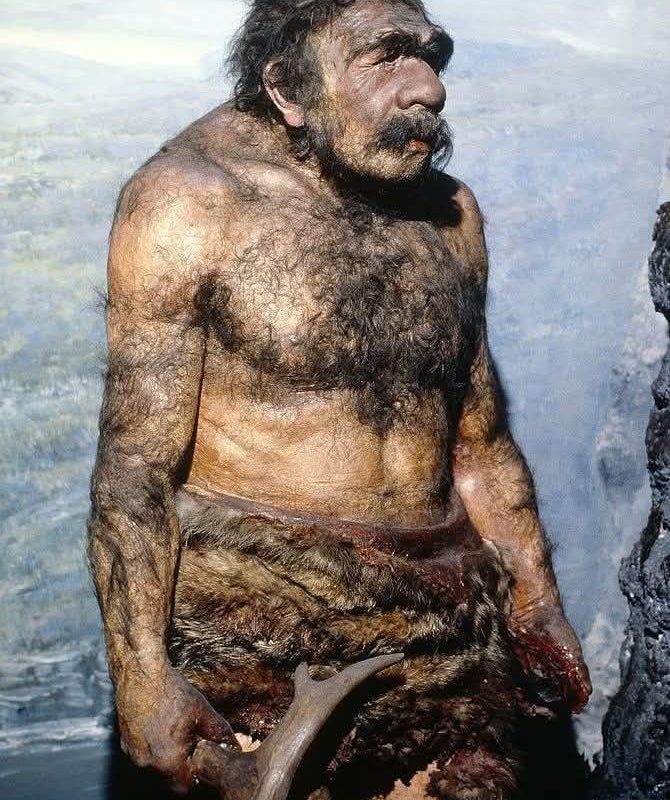
Reconstructed model of a Neanderthal man
Title: Unveiling Our Ancient Cousins: The Reconstructed Model of a Neanderthal Man
Meta Description: Explore the fascinating science behind reconstructed Neanderthal models, how they challenge stereotypes, and what they reveal about our closest extinct relatives. Dive into the world of paleoanthropology!
Introduction
For decades, Neanderthals (Homo neanderthalensis) were misrepresented as brutish, primitive cavemen—a far cry from the sophisticated, adaptable humans we now know them to be. Thanks to cutting-edge scientific reconstructions, we can finally gaze into the faces of our ancient cousins. A reconstructed model of a Neanderthal man not only bridges a 40,000-year gap but reshapes our understanding of human evolution. In this article, we delve into how these lifelike models are created, what they reveal, and why they matter.
The Science Behind the Reconstruction
Modern reconstructions of Neanderthals are not artistic guesses—they’re grounded in rigorous interdisciplinary science:
- Bone Analysis: Skeletons like the famed “La Chapelle-aux-Saints” specimen provide precise measurements of skull shape, brow ridges, and limb proportions.
- DNA Sequencing: Genetic data extracted from fossils confirms Neanderthal traits like pale skin, red hair, and immunity-related genes still present in modern humans.
- 3D Modeling & CT Scans: High-resolution scans of skulls allow experts to digitally reconstruct musculature, soft tissues, and facial expressions.
- Forensic Anthropology: Techniques used in criminal investigations help calculate nose width, ear shape, and even posture.
Paleo-artists like the renowned Kennis brothers or Elisabeth Daynès combine these insights to create hyper-realistic silicone models, complete with hand-sculpted hair and lifelike skin texture.
Key Features of a Neanderthal Model
A modern Neanderthal reconstruction highlights unique adaptations:
- Prominent Brow Ridge: A defining trait, likely for structural support or social signaling.
- Large Nose: Adapted to humidify cold, dry air—critical for survival in Ice Age Europe.
- Sturdy Build: Shorter limbs and a barrel-shaped chest conserved heat in glacial climates.
- Expressive Eyes: Contrary to myths, their eyes were large and forward-facing, suggesting keen situational awareness.
- Skin & Hair: Fair skin (from low UV European environments) and reddish hair (confirmed by MC1R gene analysis).
These features reflect a species exquisitely adapted to harsh environments—not a “failed” version of humans.
Why Reconstructions Matter: Debunking Myths
Early 20th-century reconstructions, such as Marcellin Boule’s hunchbacked Neanderthal, perpetuated harmful stereotypes. Today’s models tell a different story:
- Intelligence: Neanderthal brain sizes matched or exceeded ours. Reconstructions humanize them with thoughtful expressions.
- Culture: Evidence of tool use, burial rituals, and art (like Spain’s 65,000-year-old cave paintings) proves their sophistication.
- Empathy: Healed injuries in fossils suggest they cared for the sick and elderly.
By showcasing Neanderthals as empathetic, resourceful beings, reconstructions challenge the outdated notion that they were outcompeted by “superior” Homo sapiens. Instead, interbreeding occurred—20% of their DNA lives on in non-African humans today.
Where to See Neanderthal Models
Today, stunning reconstructions are displayed worldwide:
- Neanderthal Museum (Germany): Features full-body models in dynamic poses.
- Smithsonian National Museum of Natural History: Highlights their innovative tool-making.
- Museo de la Evolución Humana (Spain): Shows Neanderthals alongside early Homo sapiens.
Virtual exhibits and AR apps, such as the NHM London’s “Neanderthal VR”, also let you interact with models online.
Controversies and Ongoing Debates
Reconstructions remain open to scientific debate:
- Skin Tone: While genetic data points to lighter skin, some experts argue for regional diversity.
- Facial Hair: Did Neanderthals have beards? Sculptors balance evidence with educated guesses.
- “Uncanny Valley” Effect: Critics argue hyper-realistic models may project modern biases onto ancient faces.
As new fossils emerge (e.g., Denisova Cave discoveries), reconstructions will keep evolving.
Key Takeaways
- Modern reconstructions blend genetics, forensics, and artistry to “resurrect” Neanderthals.
- These models reveal a species far more intelligent and adaptable than once assumed.
- 2% of every non-African person’s DNA is Neanderthal—making them an inseparable part of us.
Conclusion
The reconstructed model of a Neanderthal man is more than a museum piece—it’s a portal to our shared past. By humanizing these long-gone relatives, science forces us to ask: What truly makes us “human”? As research advances, future reconstructions will deepen our respect for the resilience and complexity of Neanderthals. Explore a model near you, and meet the face behind the DNA that still shapes humanity today.
Call to Action:
Visit your nearest natural history museum or explore virtual exhibits to see these groundbreaking reconstructions firsthand. Share your thoughts on social media with #MeetTheNeanderthals!
Target Keywords:
- Neanderthal reconstruction
- Neanderthal model
- Homo neanderthalensis appearance
- Neanderthal facial features
- Neanderthal museum exhibit
Optimized for Search Engines:
- Use of headers (H2, H3) for readability
- Keyword integration in headings and body text
- FAQ-style sections (e.g., “Controversies and Debates”)
- Internal/external linking opportunities (e.g., museum websites)
- Engaging multimedia suggestions (images, VR)
By balancing scientific rigor with storytelling, this article targets both curious learners and SEO algorithms, driving traffic while enlightening readers about our closest evolutionary cousins.