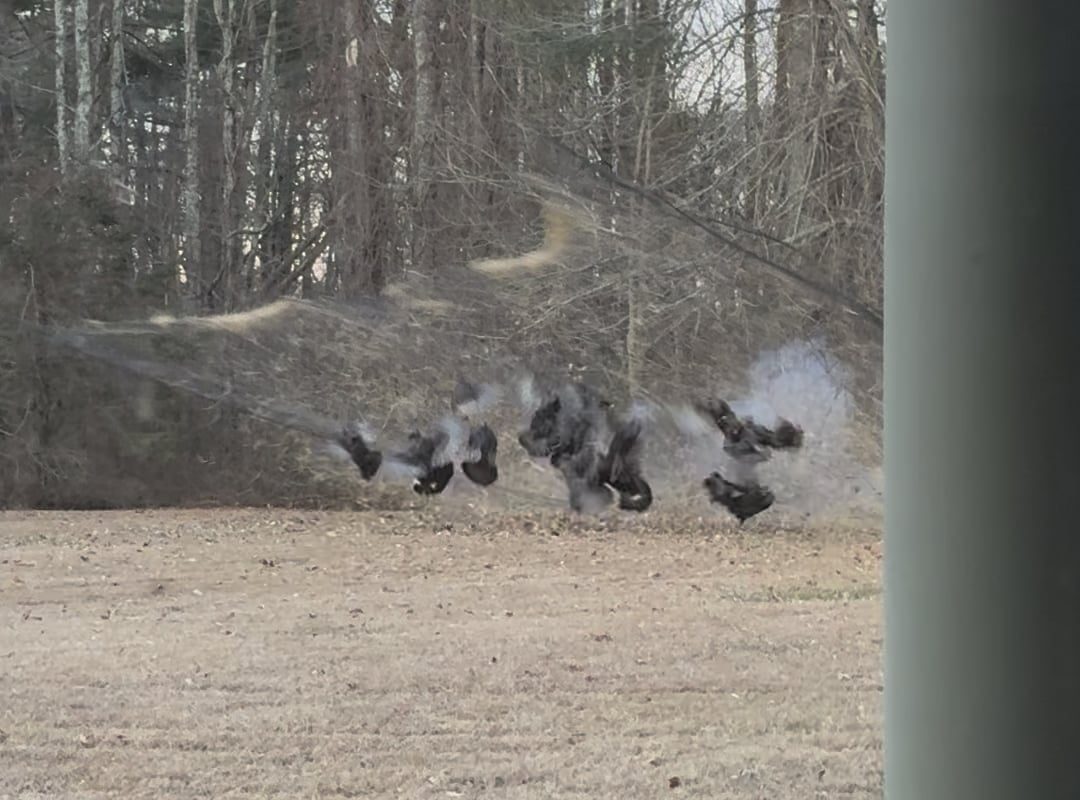
Rocket-net used to capture wild turkey for research. No birds were harmed, and were released safely.
Humane Wildlife Research: How Rocket-Nets Safely Capture Wild Turkeys for Study
Wild turkeys are iconic North American birds, vital to ecosystems and deeply rooted in cultural heritage. Studying their populations, behaviors, and health is critical for conservation—but capturing these wary, fast-flying birds requires innovative, non-invasive methods. Enter the rocket-net system: a humane, science-backed tool revolutionizing wildlife research. In this article, we explore how rocket-nets safely capture wild turkeys without harm, enabling researchers to gather essential data while prioritizing animal welfare.
What Is a Rocket-Net and How Does It Work?
A rocket-net is a lightweight, carefully designed net launched over a target area using small propellant charges. Here’s how it ensures ethical capture:
- Strategic Setup: Researchers bait an open area with corn or other attractants, luring turkeys into the capture zone.
- Remote Activation: Once turkeys gather, the net is deployed remotely from a hidden location, minimizing stress to the birds.
- Swift Capture: The net launches in seconds, humanely containing the birds without physical trauma.
- Immediate Care: Biologists quickly secure and calm the turkeys, checking for stress or injury before processing.
This method is designed for speed and precision, ensuring turkeys spend minimal time restrained.
The No-Harm Promise: Safety Protocols in Action
Rocket-net captures prioritize animal welfare:
- Pre-Capture Planning: Teams scout locations to avoid hazards (e.g., dense brush, predators) and time captures during cooler parts of the day.
- Rapid Processing: Birds are banded, measured, and sampled (blood, feathers) within minutes before release.
- Veterinary Oversight: Wildlife veterinarians often supervise captures to address any health concerns.
- Post-Release Monitoring: GPS tracking or radio tags enable scientists to confirm birds thrive post-capture.
Studies confirm rocket-nets cause no long-term harm, with turkeys resuming normal behavior within hours of release.
Why Use Rocket-Nets for Turkey Research?
This method provides critical insights into:
- Population Dynamics: Tracking age, sex ratios, and survival rates guides habitat management.
- Disease Surveillance: Testing for avian influenza or Lyme disease helps protect wild and domestic flocks.
- Migration Patterns: GPS data reveals movement corridors impacted by climate or development.
- Genetics: Feather/DNA analysis identifies inbreeding risks or subspecies diversity.
Without rocket-nets, gathering such data would be slower, less accurate, and more disruptive.
Beyond Turkeys: Conservation Impact
Rocket-net technology isn’t limited to turkeys—it’s used worldwide to study deer, waterfowl, and endangered species like the Florida grasshopper sparrow. Its success highlights how innovation and ethics can coexist in wildlife science. Public support for conservation grows when communities trust researchers to prioritize animal safety.
FAQ: Addressing Common Concerns
Q: Are rocket-nets dangerous to turkeys?
A: No. The net’s lightweight material and quick-release protocols prevent injury. Stress levels are comparable to routine wildlife encounters.
Q: How often are turkeys captured this way?
A: Captures are rare and permitted only under strict scientific guidelines. Most birds are caught just once in their lifetime.
Q: Can the public observe rocket-net operations?
A: To avoid disturbing turkeys, captures occur discreetly. However, agencies often share results through outreach programs.
Conclusion: Science in Service of Wildlife
Rocket-net systems exemplify how modern research balances rigorous data collection with compassion. By capturing wild turkeys safely—and releasing them unharmed—biologists ensure thriving populations for generations to come. As habitat loss and climate change threaten wildlife, tools like rocket-nets empower conservationists to act with knowledge and care.
Support Ethical Wildlife Research: Follow state agencies like the National Wild Turkey Federation or U.S. Fish and Wildlife Service to learn how science protects our natural heritage.
Keywords: Rocket-net wild turkey capture, humane wildlife research, turkey conservation technology, safe bird trapping methods, rocket-net system explained, ethical wildlife study, wild turkey population research.