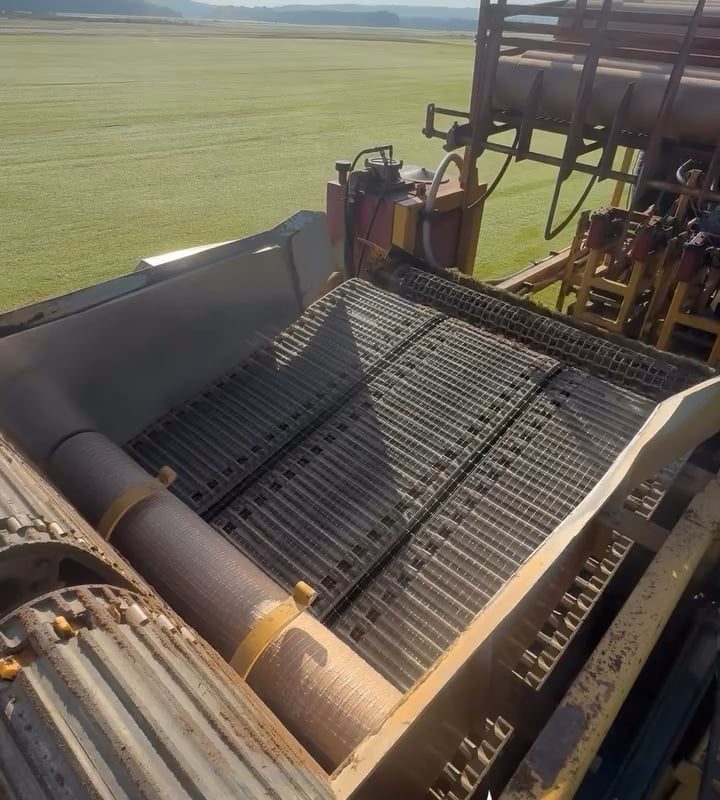
Rolling of green grass
The Ultimate Guide to Rolling Green Grass: Benefits, Best Practices, and When to Avoid It
A lush, velvety green lawn is the dream of every homeowner or landscape enthusiast. One technique often debated in lawn care is rolling green grass—a practice that involves using a weighted roller to flatten the soil surface for a smoother, more uniform appearance. But does it promote lawn health, or could it do more harm than good? In this SEO-optimized guide, we’ll explore the science behind rolling, best practices, and when to skip it altogether.
What Is Rolling Green Grass?
Rolling involves using a lawn roller (typically filled with water or sand) to gently compact the topsoil. This flattens minor bumps, settles freshly seeded lawns, and creates that coveted “golf course” smoothness. However, improper rolling can lead to soil compaction, drainage issues, and weak grass roots.
Benefits of Rolling Your Lawn
When done correctly, rolling offers several advantages:
-
Smoothing Uneven Terrain
- Ideal after winter frost heave or soil settling.
- Minimizes tripping hazards and improves mowing efficiency.
-
Enhancing Seed-to-Soil Contact
- Presses newly sown grass seeds into the soil for better germination.
-
Aesthetic Appeal
- Creates a polished, professional look for lawns, sports fields, or event spaces.
-
Temporary Pest Control
- Rolling can disrupt burrowing insect habitats (e.g., mole crickets).
When to Roll Your Lawn: Timing Is Key
Timing determines whether rolling benefits or harms your lawn:
- Best Time: Early spring when soil is moist but not waterlogged. Avoid dry or soggy conditions.
- Worst Time: Summer heatwaves, drought, or compacted clay soils.
- Post-Aeration or Dethatching: Never roll after aerating—it negates the benefits of loosening the soil.
Types of Lawn Rollers: Choose Wisely
- Water-Filled Rollers: Adjustable weight and gentle on most soil types.
- Solid (Steel/Cement) Rollers: Heavyweight but risk over-compaction.
- Caster-Type Rollers: Designed for seeding or sod installation.
Pro Tip: Use rollers weighing no more than 300 lbs to avoid crushing grassroots.
Step-by-Step Guide to Safe Rolling
- Prepare the Lawn:
- Mow grass to 2–3 inches.
- Water lightly 1–2 days before rolling.
- Roll Strategically:
- Roll in straight lines, overlapping slightly. Avoid repeated passes.
- Focus on uneven areas, not the entire lawn.
- Post-Roll Care:
- Aerate compacted zones.
- Apply fertilizer to support recovery.
When to Avoid Rolling
Rolling can backfire if:
- Soil Is Sandy or Loamy: Prone to compaction.
- Lawn Shows Stress: Drought, disease, or recent pesticide application.
- You Have Clay Soil: Naturally dense; rolling worsens drainage.
Alternative: Use core aeration to relieve compaction and improve root growth.
Pros vs. Cons of Rolling Green Grass
| Pros | Cons |
|---|---|
| Smooth appearance | Risk of soil compaction |
| Better seed germination | Reduced oxygen to roots |
| Temporary pest control | Harmful in clay or dry conditions |
FAQs About Rolling Green Grass
Q: Is rolling necessary for a healthy lawn?
A: Rarely. Most lawns thrive with aeration, dethatching, and proper watering instead.
Q: Can rolling help flatten molehills?
A: Yes, but address the mole problem first to prevent recurrence.
Q: How often should I roll my lawn?
A: Only once per year, if at all. Over-rolling causes long-term damage.
Conclusion: Roll with Caution
While rolling green grass can deliver a flawless surface, it’s not a universal solution. Prioritize soil health through aeration, organic mulching, and smart watering. Reserve rolling for specific scenarios like seed establishment or post-winter repairs—and always prioritize your lawn’s long-term vitality over short-term aesthetics.
By understanding your soil type and grass needs, you’ll achieve that emerald carpet without sacrificing root health or sustainability.
Meta Description: Learn how rolling green grass can enhance your lawn’s look—or harm it. Discover best practices, ideal timing, and safe alternatives in this detailed guide.
Keywords: rolling green grass, lawn roller, soil compaction, lawn aeration, smooth lawn, lawn care tips, turf rolling.