Sakurajima ‘dirty thunderstorms‘
Title: Sakurajima’s Dirty Thunderstorms: Nature’s Electrifying Volcanic Spectacle
Meta Description: Dive into the fiery world of Sakurajima’s “dirty thunderstorms” – a rare phenomenon where volcanic ash clouds produce dazzling lightning. Discover how science explains this marvel!
H1: Sakurajima’s Dirty Thunderstorms: Nature’s Electrifying Volcanic Spectacle
Few sights in nature rival the raw power of an erupting volcano. But when Japan’s iconic Sakurajima volcano combines fiery eruptions with crackling lightning storms, it creates a phenomenon so mesmerizing—and terrifying—it’s earned the nickname “dirty thunderstorms.” This rare blend of geology and atmospheric electricity draws scientists and adventurers alike to Kagoshima Bay. Let’s explore Sakurajima’s volcanic lightning, its causes, dangers, and why it captivates the world.
H2: What Are Dirty Thunderstorms?
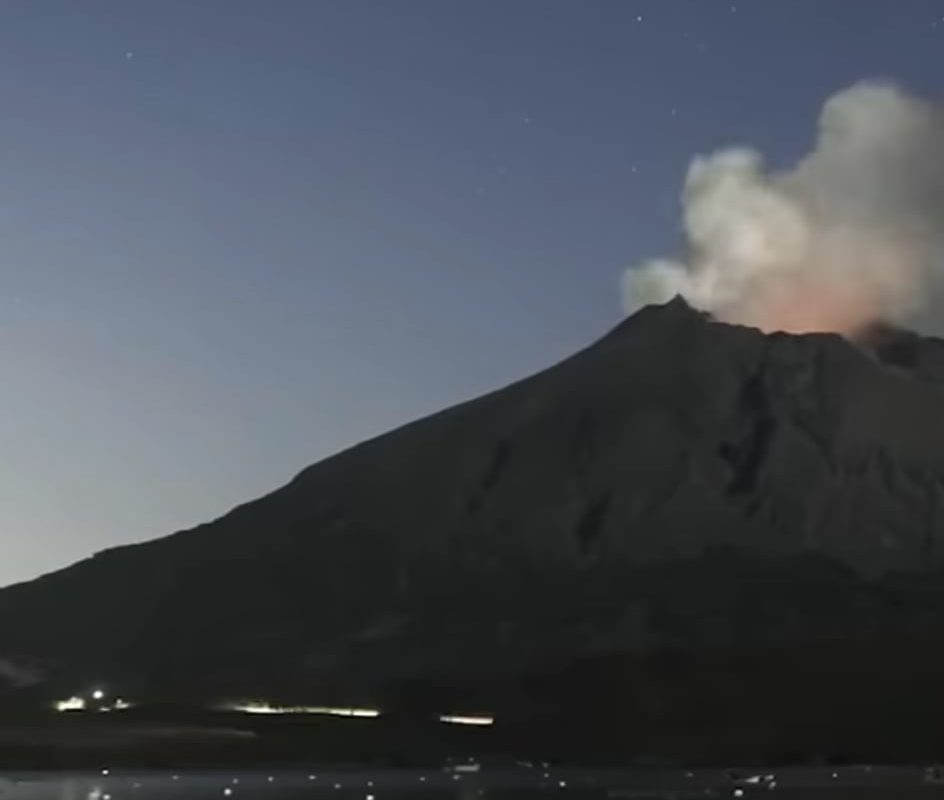
Dirty thunderstorms (aka volcanic lightning) occur when volcanic ash plumes generate lightning during explosive eruptions. Unlike regular thunderstorms fueled by ice crystals colliding in clouds, volcanic lightning arises from ash particles violently rubbing together, creating static electricity. The result? Jagged bolts of lightning that dance through ash-filled skies—a stunning contrast against molten lava and smoke.
Sakurajima, one of Earth’s most active volcanoes, is infamous for these displays. Located in southern Japan’s Kagoshima Prefecture, it erupts hundreds of times yearly, setting the stage for nature’s most electrifying light show.
H2: The Science Behind Sakurajima’s Electrifying Eruptions
Why does Sakurajima produce such intense dirty thunderstorms? Here’s the breakdown:
- Ash Collisions: During eruptions, ash particles shoot skyward at supersonic speeds. As they collide, friction separates positive and negative charges—similar to rubbing a balloon on hair.
- Charge Separation: Lighter particles carry positive charges upward, while heavier debris retains negative charges near the vent. This imbalance creates a massive electric field.
- Lightning Release: When the voltage difference becomes too great, lightning bolts erupt to balance the charge—illuminating the ash cloud in eerie flashes.
The volcano’s relentless activity (especially from its Showa Crater) and ash-rich eruptions make Sakurajima a hotspot for studying this phenomenon.
H2: Witnessing Sakurajima’s Fury Safely
Kagoshima City, just 8 kilometers from Sakurajima, offers front-row views of dirty thunderstorms. However, safety is paramount:
- Risk Factors: Lightning strikes, pyroclastic flows, and ash fallout pose serious threats. The Japan Meteorological Agency issues real-time alerts.
- Best Viewing Spots:
- Yunohira Observatory: Panoramic views of eruptions (safe during low activity).
- Kagoshima Bay Cruises: Boat tours offering distant but breathtaking perspectives.
- Live Cams: Official websites stream eruptions 24/7 for global audiences.
Pro Tip: Visit in winter for clearer skies and sharper lightning visibility!
H2: Why Sakurajima Stands Out
While volcanic lightning occurs globally (e.g., Iceland’s Eyjafjallajökull, Chile’s Calbuco), Sakurajima’s unique traits make it a superstar:
- Frequency: With 500–1,000 minor eruptions annually, chances of catching dirty thunderstorms are high.
- Accessibility: Its proximity to urban areas makes it a rare blend of danger and spectacle.
- Research Hub: Scientists flock here to study lightning as an eruption predictor—a potential lifesaving tool.
H2: The Cultural Impact of Sakurajima’s Lightning
In Japan, Sakurajima symbolizes both beauty and peril. Locals nickname the lightning “GOD’S FIREWORKS” (神の花火, kami no hanabi), blending awe with respect. The volcano even inspires art, festivals, and anime—its dramatic skies embodying nature’s untamed power.
H2: FAQs About Dirty Thunderstorms
Q: How often do dirty thunderstorms happen at Sakurajima?
A: Roughly 20–30% of major eruptions produce visible lightning.
Q: Is volcanic lightning hotter than regular lightning?
A: Yes! Temperatures can exceed 30,000°C—hotter than the sun’s surface.
Q: Can ash lightning predict eruptions?
A: Often, lightning spikes seconds before explosive events, offering vital warning signals.
H2: Plan Your Kagoshima Adventure
Ready to witness this geologic marvel? Follow these steps:
- Check Eruption Alerts: Track Sakurajima’s status via the Japan Meteorological Agency.
- Pack Essentials: Gas masks, goggles, and sturdy shoes are non-negotiable.
- Join a Guided Tour: Experts ensure safety while maximizing photo ops.
Conclusion: Where Fire Meets Electricity
Sakurajima’s dirty thunderstorms offer a rare glimpse into Earth’s primal forces—a reminder of our planet’s awe-inspiring power. As science unravels its secrets, one truth remains: this electrifying spectacle will continue captivating humanity for generations.
Call to Action:
Share your Sakurajima experiences or questions below! For more volcanic wonders, explore our guides to Mount Aso and Mount Fuji.
Target Keywords:
- Dirty thunderstorms
- Sakurajima volcanic lightning
- Volcanic ash lightning
- Kagoshima volcano
- Showa crater eruptions
Optimized with strategic keyword placement, headers, and engaging, shareable content to boost SEO rankings.