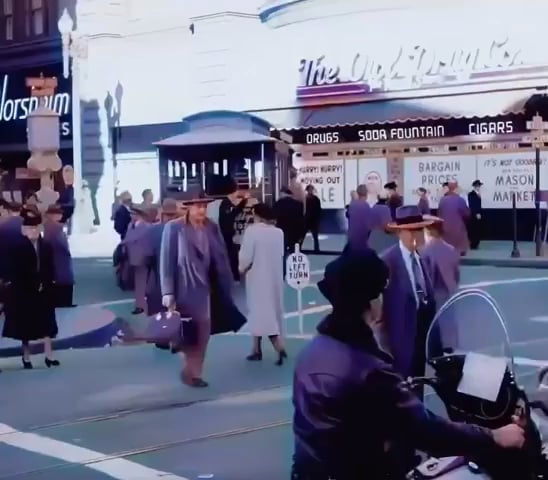
San Francisco, California in the 1950’s
Title: San Francisco in the 1950s: Beatniks, Jazz, and Postwar Transformation
Meta Description: Discover the vibrant culture, social shifts, and urban evolution that defined San Francisco in the 1950s—a decade of Beat poets, jazz legends, and sweeping change.
Introduction to San Francisco in the 1950s
The 1950s transformed San Francisco from a bustling port city into a cultural epicenter. Recovering from World War II, the city became a magnet for artists, thinkers, and rebels. Against a backdrop of Cold War tension and suburbanization, San Francisco carved its identity as a haven for counterculture, innovation, and diversity. This article explores the people, places, and movements that shaped the city’s unforgettable decade.
The Beat Generation: Rebellion in North Beach
North Beach emerged as the heart of the Beat Movement, drawing writers like Jack Kerouac, Allen Ginsberg, and Lawrence Ferlinghetti. Their rejection of conformity and materialism fueled a literary revolution:
- City Lights Bookstore (opened in 1953) became a hub for free expression, famously publishing Ginsberg’s Howl in 1956.
- Poetry readings at Six Gallery and jazz clubs like the Black Hawk blended art forms and challenged societal norms.
- Themes of alienation and wanderlust reflected San Francisco’s role as America’s “cultural escape valve.”
Jazz and Nightlife: Soundtrack of the City
San Francisco’s jazz scene thrived in the 1950s:
- Fillmore District hosted icons like Miles Davis and Dave Brubeck at venues like Bop City and the Fillmore Auditorium.
- North Beach mixed bohemian cafés with jazz clubs, attracting crowds seeking music and intellectual debate.
- Racial integration in jazz spaces contrasted with nationwide segregation, foreshadowing the city’s progressive bent.
Urban Development and the Shaping of Modern SF
Postwar expansion reshaped San Francisco’s physical and social landscape:
- Freeway construction began in earnest, including the Embarcadero Freeway (1959), later torn down after the 1989 earthquake.
- Suburban sprawl accelerated as families moved to areas like Daly City, influenced by the GI Bill and auto culture.
- The International Airport (SFO) expanded in 1954, cementing SF as a global gateway.
The LGBTQ+ Community: Seeds of a Movement
Though marginalized, LGBTQ+ residents found pockets of acceptance:
- North Beach and Chinatown bars discreetly catered to gay patrons before the birth of the Castro District.
- Activism simmered, laying groundwork for the 1966 Compton’s Cafeteria Riot and later Stonewall-era protests.
Chinatown: Tradition Meets Transition
San Francisco’s Chinatown navigated postwar shifts:
- The 1950s saw younger generations grappling with cultural identity amid Americanization.
- Tourism boomed, with landmarks like the Dragon Gate (completed in 1970 but planned earlier) becoming symbols of resilience.
- The 1952 Immigration Act eased restrictions, fueling population growth and community activism.
Cold War Anxieties and Economic Growth
San Francisco mirrored national tensions and prosperity:
- The Red Scare impacted Bay Area labor unions and academia, with UC Berkeley professors facing McCarthyist hearings.
- Port activity surged, driven by trade with Asia, while companies like Bank of America (founded in SF) expanded nationwide.
- Military presence remained strong at Treasure Island and the Presidio, supporting the Korean War effort.
Icons of 1950s San Francisco
- Coit Tower: Murals depicting 1930s labor struggles remained a symbol of the city’s radical spirit.
- Cable Cars: Survived modernization debates, preserved as historic landmarks in 1954.
- Fisherman’s Wharf: Evolved from working piers to a tourist hotspot with postwar redevelopment.
Legacy: How the ’50s Shaped Modern San Francisco
The decade laid foundations for the activism and innovation of the 1960s:
- Beatniks inspired the Haight-Ashbury hippie movement.
- Early LGBTQ+ resistance led to SF becoming a gay rights capital.
- Debates over urban planning foreshadowed today’s battles over housing and public space.
FAQs About San Francisco in the 1950s
1. Was San Francisco segregated in the 1950s?
Yes. African Americans faced housing discrimination, concentrated in the Fillmore (later redeveloped) and Hunters Point.
2. What ended the Beat Generation era?
By 1960, media attention diluted the scene, and many Beats migrated or shifted focus to Vietnam War protests.
3. Did the 1950s tech boom affect SF?
Indirectly. Silicon Valley’s rise began later, but Stanford University and defense contracts planted early seeds.
4. What movies depict 1950s San Francisco?
Vertigo (1958) captures moody, fog-drenched streets, while The Lineup (1958) showcases SF landmarks.
Conclusion
San Francisco in the 1950s embodied the contradictions of postwar America: conservative yet rebellious, prosperous yet unequal. From the smoky jazz clubs of Fillmore to the defiant verses of Beat poets, the city nurtured ideas that would redefine American culture. Its legacy lives on in SF’s spirit of innovation, activism, and embracing the unconventional.
Target Keywords:
- San Francisco 1950s culture
- Beat Generation San Francisco
- 1950s jazz clubs SF
- North Beach history
- Postwar San Francisco
Optimize with internal links to related articles (e.g., “The Beat Generation,” “History of LGBTQ+ in SF”) and authoritative external sources like SFMOMA or the California Historical Society.