Scientists Unearth Fossil of Car-Sized Millipede That Roamed Earth 326 Million Years Ago
Unveiling a Prehistoric Giant: Scientists Unearth Fossil of Car-Sized Millipede That Roamed Earth 326 Million Years Ago
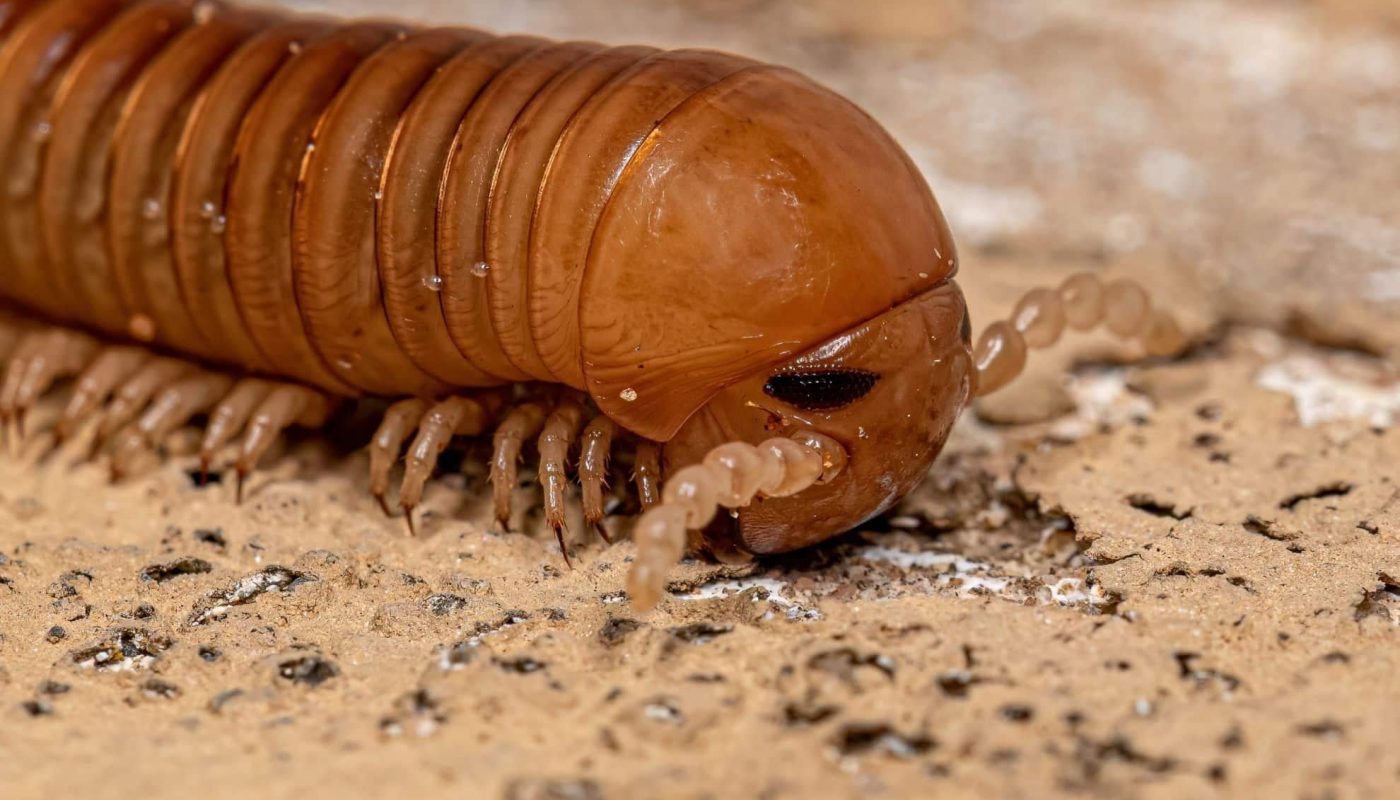
In a groundbreaking discovery that rewrites our understanding of prehistoric life, paleontologists have unearthed the fossilized remains of a giant millipede the size of a modern-day car. This colossal arthropod, named Arthropleura, crawled across what is now the United Kingdom approximately 326 million years ago during the Carboniferous Period. Measuring up to 2.6 meters (8.5 feet) long and weighing nearly 50 kilograms (110 pounds), this creature is the largest-known land invertebrate to ever exist on Earth.
The Discovery: A Fossil Hidden in Stone
The fossil was discovered by chance in 2021 on a beach in Northumberland, England, after a cliff section collapsed due to erosion. Researchers from the University of Cambridge and the University of Texas at Austin identified it as a fragment of Arthropleura’s exoskeleton—remarkably preserved in sandstone for over 300 million years. Unlike most millipede fossils, which are small and fragmented, this specimen is one of only three Arthropleura fossils ever found and by far the largest.
Why Was Arthropleura So Massive?
The Carboniferous Period (359–299 million years ago) is often called the “Age of Giant Insects” due to its high oxygen levels—up to 30% of the atmosphere compared to today’s 21%. This oxygen-rich environment allowed invertebrates like Arthropleura to grow to extraordinary sizes. Scientists believe these millipedes were herbivores, feasting on decaying vegetation and seeds in ancient coal forests, with few predators capable of challenging their imposing size.
Key Facts About the Car-Sized Millipede
- Size & Appearance: Arthropleura had a flattened, segmented body protected by rigid armor-like plates. Each segment bore two pairs of legs, totaling up to 64 legs.
- Habitat: It thrived in warm, humid equatorial rainforests that covered modern-day Europe before continental drift reshaped the planet.
- Extinction: Arthropleura vanished during the Permian-Triassic extinction event (252 million years ago), likely due to collapsing coal forests and falling oxygen levels.
Why Does This Fossil Matter?
This discovery offers unprecedented insights into Earth’s ancient ecosystems and evolutionary biology:
- Climate Clues: Studying Arthropleura helps scientists understand how high oxygen levels influenced gigantism in prehistoric species—a phenomenon not replicated today.
- Ecosystem Dynamics: As a keystone species, it played a crucial role in nutrient cycling, breaking down plant matter to support Carboniferous food webs.
- Paleontological Rarity: The find hints at gaps in the fossil record. As Dr. Greg Edgecombe (Natural History Museum, London) notes, “Arthropleura fossils are incredibly rare—this specimen suggests even larger individuals may have existed.”
Future Research and Mysteries
Despite this landmark find, many questions remain. How did Arthropleura reproduce? Did it hunt small animals, or was it strictly herbivorous? Researchers hope advanced scanning technology will reveal further secrets locked within the fossil, particularly about its anatomy and behavior.
Conclusion: A Glimpse into Earth’s Lost World
The discovery of this car-sized millipede fossil is more than a scientific curiosity—it’s a humbling reminder of Earth’s ever-changing history and the incredible diversity of life that predated humanity. As climate change and habitat loss threaten modern biodiversity, studying ancient giants like Arthropleura underscores the fragile balance between species and their environments.
SEO Keywords:
- Giant millipede fossil
- Arthropleura discovery
- Car-sized prehistoric creature
- Carboniferous period arthropods
- Largest land invertebrate
- Fossil excavation UK
- Prehistoric ecosystems
- Oxygen levels and gigantism
For more updates on paleontology breakthroughs, subscribe to our newsletter or follow #FossilFriday on social media!
Meta Description: Unearth the secrets of Arthropleura—the car-sized millipede that ruled Earth 326 million years ago. Discover how this giant fossil reshapes our understanding of prehistoric life.