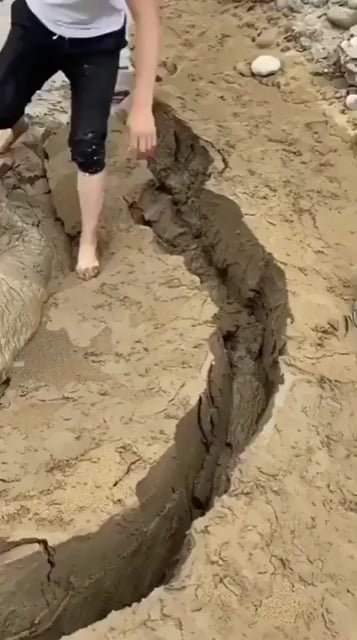
Sea mud formed a jelly like structure.
Unveiling the Mystery: Sea Mud Transforms into a Jelly-Like Structure
Have you ever walked along a shoreline or explored a tidal flat and stumbled upon what appears to be mud but feels like jelly? This phenomenon, where sea mud morphs into a gelatinous, almost otherworldly substance, is not only fascinating but also scientifically significant. In this article, we dive into the science behind jelly-like sea mud, its formation, ecological implications, and why it matters for marine ecosystems.
The Science Behind the Jelly: How Does Sea Mud Gelatinize?
Sea mud—a mixture of silt, clay, organic matter, and microorganisms—is a dynamic substance shaped by environmental conditions. When it adopts a jelly-like texture, the transformation typically results from a combination of factors:
-
Microbial Activity: Bacteria and microalgae secrete extracellular polymeric substances (EPS), sticky compounds that bind sediment particles together. This creates a slimy matrix, turning dense mud into a cohesive gel.
-
Organic Matter Decomposition: Decaying plant and animal material releases gases (like methane) and organic acids. These alter the mud’s pH and stability, causing it to swell and soften.
-
Saltwater Chemistry: In marine environments, sodium and other ions interact with clay minerals, changing their structure. In rare cases, this leads to thixotropy—where mud temporarily liquefies under stress (e.g., footsteps) before solidifying again.
-
Anoxic Conditions: Low-oxygen environments (common in deep-sea sediments or polluted estuaries) slow decomposition, allowing organic gels to accumulate.
Where Does Jelly-Like Sea Mud Form? Hotspots to Know
This phenomenon occurs globally in:
- Tidal Flats: Areas with shifting tides, like the Wadden Sea (Europe), where EPS-rich biofilms stabilize mudflats.
- Deep-Sea Vents: Hydrothermal vents create mineral-rich mud that can solidify into gelatinous masses.
- Polluted Harbors: Excess nutrients from runoff fuel algal blooms, whose remnants mix with sediment to form sludgy layers.
- Glacial Fjords: Melting ice releases fine-grained “glacial flour” that interacts with seawater to create gelatinous sediment layers.
Why Does It Matter? Ecological & Environmental Impacts
Benefits of Gelatinous Mud
- Carbon Sequestration: Jelly-like mud acts as a carbon sink, trapping organic matter and mitigating climate change.
- Habitat for Microbes: Unique bacteria thrive in these anaerobic gels, driving nutrient cycling.
- Coastal Protection: Stabilized mud reduces erosion by absorbing wave energy.
Potential Risks
- Dead Zones: Thick gelatinous layers can suffocate bottom-dwelling organisms (e.g., clams, worms).
- Toxin Accumulation: Pollutants like heavy metals may bind to the slimy matrix, entering the food chain.
- Human Hazards: Walking on unstable “jelly mud” poses risks of sinking or injury.
Is This Phenomenon New? A Climate Change Connection?
While gelatinous mud formations occur naturally, scientists warn that human activities are amplifying their frequency:
- Nutrient Pollution: Fertilizer runoff fuels algal growth, increasing organic sludge.
- Warming Oceans: Higher temperatures accelerate microbial processes, destabilizing sediments.
- Sea-Level Rise: Coastal erosion exposes deeper, more volatile mud layers.
FAQs About Jelly-Like Sea Mud
Q: Is jelly-like sea mud dangerous?
A: While not inherently toxic, avoid direct contact in polluted areas. Its instability can also pose physical risks.
Q: Can it be used for anything beneficial?
A: Yes! Therapeutic “mud baths” often use marine sediments for skincare, and researchers study its microbes for bioremediation.
Q: Does climate change worsen this phenomenon?
A: Indirectly, yes. Warmer waters and nutrient pollution create ideal conditions for jelly-mud formation.
Key Takeaways
The transformation of sea mud into a gelatinous structure is a stunning example of nature’s complexity. Driven by microbial life, chemistry, and environmental shifts, this “mud jelly” plays dual roles as both ecosystem engineer and potential hazard. Understanding it helps us protect coastal biodiversity and address human impacts on marine systems.
Optimized Keywords:
- Gelatinous sea mud formation
- Marine sediment structure
- Thixotropic mud explained
- Coastal ecosystem impacts
- Microbial biofilms in mud
Meta Description: Discover why sea mud forms a jelly-like structure! Explore the science, ecological impacts, and climate connections behind this mysterious marine phenomenon.
By revealing the hidden processes shaping our coastlines, we gain deeper respect for the fragile balance sustaining ocean life. Have you encountered jelly-like mud? Share your stories in the comments! 🌊🔬