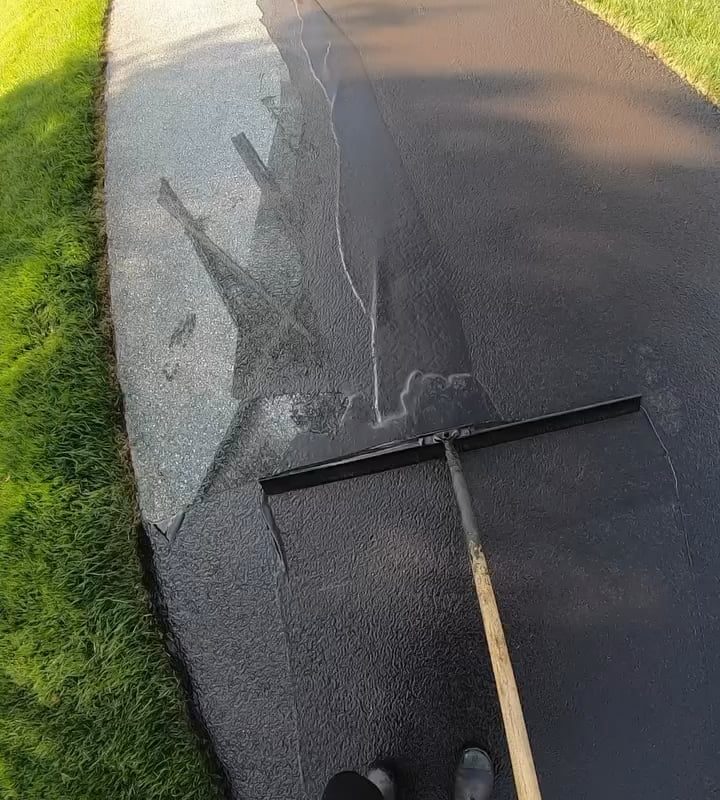
Seal coating the road
The Essential Guide to Seal Coating Roads: Benefits, Process & Maintenance
Introduction
Every mile of road withstands relentless wear and tear from traffic, weather, and time. Seal coating—a preventive maintenance technique—is an unsung hero in extending asphalt’s lifespan while improving safety and aesthetics. This guide dives into what seal coating is, why it’s critical for roads, and how it saves money in the long run.
What Is Seal Coating?
Seal coating is the process of applying a protective layer—composed of asphalt emulsion, coal tar, or polymer-based materials—onto asphalt pavement. This thin coating acts as a barrier against:
- UV rays that cause oxidation and fading
- Water penetration leading to cracks and potholes
- Chemical spills (oil, gasoline, de-icing salts)
- Abrasion from tires and foot traffic
Commonly used on roads, driveways, and parking lots, it rejuvenates the surface, restores deep black color, and maintains structural integrity.
Top 5 Benefits of Seal Coating Roads
-
Extends Pavement Lifespan
Seal coating prevents premature aging caused by oxidation, reducing the need for costly repairs or replacements. Well-maintained roads can last 10–15+ years instead of deteriorating within 5–8. -
Cost-Effective Preservation
Resurfacing a road costs 5–10x more than seal coating. A single application every 2–4 years protects your investment and avoids major reconstruction. -
Enhances Safety
The coating fills minor cracks and restores friction for better tire grip, lowering accident risks during rain or snow. It also improves nighttime visibility with a darker surface. -
Aesthetic Appeal
Fresh seal coating gives roads a sleek, uniform appearance—key for neighborhoods, commercial districts, and municipalities prioritizing curb appeal. -
Reduces Long-Term Maintenance
By blocking water intrusion and preventing potholes, it minimizes emergency repairs and associated labor costs.
The Seal Coating Process: Step by Step
Professional seal coating involves meticulous preparation and execution:
-
Inspection & Cleaning
Debris, dirt, and vegetation are removed using brooms, blowers, or pressure washing. Grease stains are treated with degreasers. -
Repairs
Cracks wider than 1/4″ are filled with hot rubberized filler, while potholes are patched to ensure a smooth surface. -
Application
Sealant is sprayed or squeegeed evenly, typically in two coats. Special attention is given to edges and seams. -
Drying
Drying time varies (usually 24–48 hours), depending on temperature, humidity, and product type.
Materials Used in Seal Coating
- Coal Tar: Highly resistant to oil and chemicals; ideal for high-traffic roads.
- Asphalt Emulsion: Eco-friendlier and less odorous; budget-friendly.
- Polymer-Modified: Flexible and durable; perfect for extreme weather conditions.
When and How Often Should Roads Be Seal Coated?
- Ideal Timing: Warm, dry weather (50°F+/10°C+) for optimal adhesion.
- Frequency: Apply every 2–3 years for optimal protection.
- Signs It’s Time to Recoat:
- Faded gray appearance
- New hairline cracks
- Rough surface texture
Professional vs. DIY Seal Coating
While DIY kits exist, professional application is strongly recommended for:
- Uniform coverage (no streaking or thinning)
- Proper crack preparation (DIY often skips critical repairs)
- Efficiency (saves time and guarantees durability)
Seal Coating Maintenance Tips
- Avoid Traffic for 24+ Hours: Premature use can damage uncured sealant.
- Reapply as Scheduled: Stick to a 2–4-year cycle.
- Address Spills Quickly: Oil and chemicals degrade the coating.
FAQs About Seal Coating Roads
Q: Can seal coating fix large potholes?
A: No—potholes must be repaired before seal coating.
Q: How long does it take to dry?
A: Typically 24–48 hours, but rain or cold extends drying time.
Q: Is seal coating environmentally safe?
A: Modern water-based formulas are low in VOCs. Always check product certifications.
Q: Can it be applied in winter?
A: No—cold temps prevent proper curing.
Conclusion
Seal coating is a smart, proactive investment in road infrastructure. It shields asphalt from deterioration, enhances safety, and delivers long-term savings—all while maintaining a professional appearance. For municipalities, businesses, or homeowners, regular seal coating ensures roads remain functional and visually appealing for decades.
Ready to Protect Your Pavement?
Consult a certified contractor today to schedule a road assessment and seal coating service. Your asphalt deserves the best defense against the elements!
Meta Description: Discover how seal coating extends road lifespan, boosts safety, and saves costs. Learn about the process, materials, and benefits in this comprehensive guide.