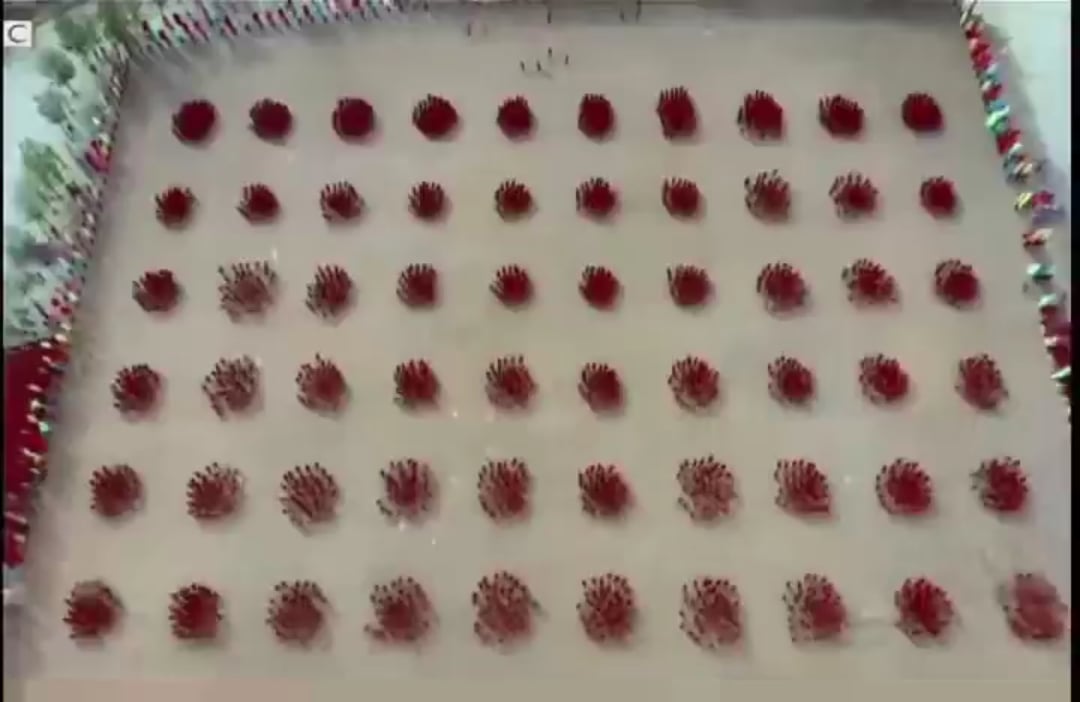
Shaolin Kung Fu training taking place in a monastery
Title: Discover the Ancient Art: Authentic Shaolin Kung Fu Training in the Monastery
Introduction
Nestled in the lush Songshan Mountains of China’s Henan Province, the Shaolin Monastery is the birthplace of Kung Fu and Zen Buddhism—a place where physical mastery meets spiritual awakening. For centuries, this UNESCO World Heritage site has attracted warriors, healers, and seekers eager to learn authentic Shaolin Kung Fu in its purest form. In this article, we explore what it’s like to train in the legendary Shaolin Temple, the transformative benefits of this ancient practice, and how you can embark on your own journey of discipline and enlightenment.
1. The Legacy of Shaolin Kung Fu
Shaolin Kung Fu (or Shaolin Wushu) dates back 1,500 years to the Tang Dynasty. Monks developed these martial arts to defend the monastery, blending combat techniques with Zen principles of focus, patience, and harmony. Today, it’s renowned for its:
- Dynamic movements: Explosive kicks, strikes, and acrobatics.
- Animal-inspired styles: Tiger, Crane, Leopard, Snake, and Dragon.
- Weapon mastery: Staffs, swords, and spears.
Training at the Shaolin Temple isn’t just about fighting—it’s a path to mental clarity and spiritual growth.
2. Inside the Monastery: A Day in the Life of a Trainee
Training at Shaolin is rigorous, immersive, and unlike any conventional gym experience. Here’s what daily life entails:
A. Dawn Meditation & Qigong
At 5 AM, trainees join monks in meditation and qigong (energy cultivation) to awaken the body and calm the mind. This practice builds the foundation for Kung Fu—balancing yin (soft) and yang (hard) energies.
B. Fundamental Techniques & Conditioning
From sunrise to midday, students drill:
- Stances: Horse stance (Mabu) for leg strength and stability.
- Forms (Taolu): Choreographed sequences like Xiao Hong Quan (Little Red Fist).
- Conditioning: Punching sandbags, running mountains, and agility drills.
C. Afternoon Weaponry & Combat
Afternoons focus on weapon techniques and sparring. Monks emphasize precision over brute force, teaching trainees to “move like water” while wielding staffs or blades.
D. Evening Reflection & Tea Ceremony
Days close with communal meals, tea ceremonies, and discussions on Buddhist philosophy, reinforcing the link between physical discipline and inner peace.
3. The Transformative Benefits of Shaolin Training
Training at the monastery isn’t just about martial arts—it’s a holistic transformation:
- Physical Mastery: Enhanced strength, flexibility, and reflexes.
- Mental Resilience: Improved focus and stress management through Zen practices.
- Spiritual Connection: Deepened self-awareness via mindfulness and simplicity.
Studies even show that Kung Fu boosts cardiovascular health and cognitive function, making it a powerful antidote to modern sedentary lifestyles.
4. Who Should Train at Shaolin?
While the monastery welcomes all dedicated learners, this experience is ideal for:
- Martial Artists seeking to refine skills at the source.
- Adventure Travelers craving a life-changing cultural immersion.
- Spiritual Seekers drawn to Zen Buddhism and mindful living.
Note: Programs range from 1-week introductions to 3-year residencies. Discipline and respect for tradition are non-negotiable.
5. How to Join a Shaolin Training Program
Step 1: Research reputable schools near the Shaolin Temple (e.g., Tagou Martial Arts School) or apply directly through the monastery’s visitor center.
Step 2: Prepare physically with cardio and flexibility training.
Step 3: Pack modest clothing (no sleeveless tops or shorts) and an open mind.
Costs: Programs start at $500/week, including lodging in spartan dormitories and vegetarian meals.
6. Beyond the Physical: The Soul of Shaolin
Shaolin Kung Fu transcends combat—it’s a philosophy. As the monks say, “Kung Fu is not about fighting. It’s about conquering the ego.” Trainees often describe their time at the temple as a rebirth, leaving with sharper minds, healthier bodies, and a profound appreciation for stillness in chaos.
Conclusion
Shaolin Kung Fu training in the monastery is more than a workout—it’s a pilgrimage to the heart of martial arts history. Whether you’re a fighter, a dreamer, or simply seeking clarity, the Shaolin Temple offers a rare chance to train where legends began. Ready to test your limits? The mountains await.
Meta Description:
Experience authentic Shaolin Kung Fu training in China’s ancient monastery. Discover daily routines, mental benefits, and how to join a life-changing martial arts retreat.
Target Keywords:
- Shaolin Kung Fu training
- Shaolin Monastery martial arts
- Kung Fu retreat China
- Authentic Shaolin experience
- Shaolin Temple training program
Optimize your journey to mastery—explore Shaolin, where every punch carries the weight of centuries. 🏯🥋