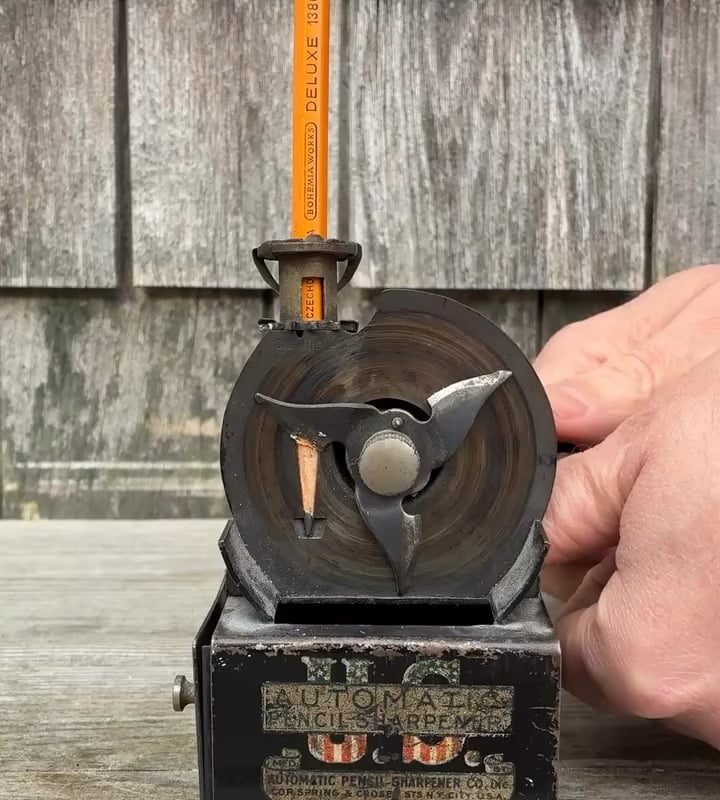
Sharpening of pencil
The Ultimate Guide to Pencil Sharpening: Techniques, Tools, & Tips
Whether you’re an artist, student, or office professional, a sharp pencil is essential for precision, creativity, and neatness. But achieving that perfect point isn’t just about twisting a sharpener—it’s an art and science! In this guide, we’ll break down everything you need to know about pencil sharpening, from handheld tools to pro-level techniques.
Why a Sharp Pencil Matters
A finely sharpened pencil:
- Delivers crisp lines for writing, sketching, and drafting.
- Reduces smudging and uneven pressure.
- Extends the life of your pencil by minimizing breaks.
- Enhances control for detailed work.
Types of Pencil Sharpeners: Pros & Cons
Not all sharpeners are created equal. Here’s a quick comparison:
1. Manual Pocket Sharpeners
- Pros: Portable, affordable, and lightweight. Ideal for students.
- Cons: Limited blade longevity; can often break pencil tips if low-quality.
- Pro Tip: Look for dual-hole sharpeners (e.g., for standard + jumbo pencils).
2. Electric Sharpeners
- Pros: Fast, consistent results; great for classrooms or offices.
- Cons: Requires power; bulky; can over-sharpen or eat up pencils.
- Pro Tip: Use a model with auto-stop to preserve pencil length.
3. Crank or Desktop Sharpeners
- Pros: Durable, long-lasting blades; ergonomic for frequent use.
- Cons: Less portable; needs occasional blade replacement.
4. Knife or Craft Blade
- Pros: Ultimate control over point shape (chiseled, needle-like). Favored by artists.
- Cons: Steep learning curve; risk of injury if mishandled.
5. Sandpaper Blocks
- Pros: Creates custom points; extends pencil life.
- Cons: Slow; messy; best for charcoal or specialized pencils.
Step-by-Step: How to Sharpen a Pencil Perfectly
Follow these steps for flawless results, no matter the tool:
For Handheld or Crank Sharpeners
- Stabilize the Pencil: Hold it straight to avoid angled or broken tips.
- Rotate Gently: Turn the pencil—not the sharpener—for even sharpening.
- Stop Early: Remove the pencil frequently to check the point and avoid over-sharpening.
For Knife Sharpening (Artist’s Technique)
- Score Lightly: Hold the pencil in one hand and the knife at a 45-degree angle. Shave thin wood layers away from your body.
- Expose ½ Inch of Lead: Remove wood until the graphite core is visible.
- Shape the Tip: Use sandpaper to refine the point (e.g., rounded for shading, sharp for detail).
For Sandpaper
- Use 150–200 Grit Paper: Rougher grit quickly shapes the pencil; finer grit smooths edges.
- Rotate While Sanding: Roll the pencil evenly to create a symmetrical point.
5 Common Sharpening Mistakes to Avoid
- Over-Sharpening: Wastes pencil length and weakens the lead. Stop once the core is exposed.
- Uneven Pressure: Causes jagged wood or broken tips. Apply consistent, gentle force.
- Ignoring Blade Sharpness: Dull blades crush pencils. Replace or sharpen blades regularly.
- Wrong Sharpener for the Pencil: Jumbo pencils need wider holes; delicate charcoal requires sandpaper.
- Rushing: Hurrying with a knife or electric sharpener increases mishaps.
Pro Tips for Specific Pencil Types
- Colored Pencils: Sharpen lightly—soft cores break easily. Freeze waxy pencils first for cleaner edges.
- Carpenter Pencils: Use a flat-blade sharpener or knife to maintain the rectangular shape.
- Makeup Pencils: Sanitize sharpeners before use to avoid contamination.
Maintaining Your Sharpener
- Clean Blades: Use a soft brush or toothpick to remove wood shavings and graphite dust.
- Oil Metal Blades: Apply mineral oil occasionally to prevent rust.
- Store Properly: Keep manual sharpeners in dry places to avoid moisture damage.
FAQs
Q: Why does my pencil lead keep breaking?
A: Likely due to blunt blades, cheap pencils with brittle cores, or uneven sharpening pressure.
Q: How often should I replace my sharpener?
A: For manual sharpeners, swap them when blades tug or crush the pencil. Electric sharpeners last years with proper care.
Q: Can I sharpen mechanical pencils?
A: No! Mechanical pencils use replaceable leads. “Sharpening” them will ruin the mechanism.
Final Thoughts
Mastering pencil sharpening ensures your tools work for you, not against you. Whether you prioritize speed (electric sharpeners), precision (knives), or versatility (sandpaper), the right technique elevates your work. Experiment to find your perfect method—and never underestimate the power of a razor-sharp pencil!
Meta Description: Learn how to sharpen a pencil like a pro! Compare sharpeners, avoid mistakes, and master artist-approved techniques for perfect points every time.