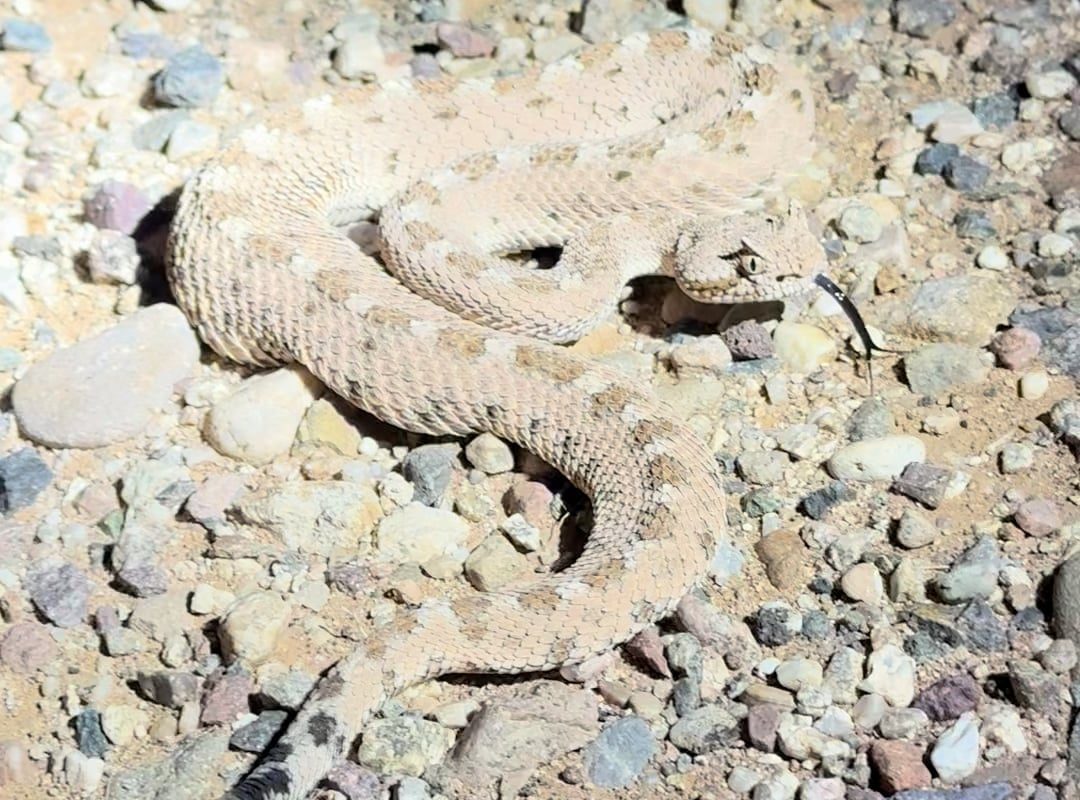
Sidewinders ARE Rattlesnakes (in the Western Hemisphere anyway)
Title: Yes, Sidewinders ARE Rattlesnakes: Understanding the Desert’s Iconic Serpent
Meta Description: Discover the surprising truth: Sidewinders are rattlesnakes native to the Western Hemisphere! Explore their unique adaptations, habitats, and why they belong to the Crotalus genus.
Sidewinders ARE Rattlesnakes (Here’s Why)
When you picture a rattlesnake, you might imagine a diamondback coiled in the brush or a timber rattler in a forest. But what about the infamous sidewinder? Often named for its bizarre sideways slither, this snake’s identity sparks confusion. Let’s clear it up: Sidewinders absolutely ARE rattlesnakes—and they’re one of the most fascinating pit vipers in the Western Hemisphere.
The Taxonomy: Sidewinders Belong to the Crotalus Genus
All rattlesnakes fall under the genus Crotalus, a group of venomous pit vipers characterized by their signature tail rattle and heat-sensing facial pits. Sidewinders (scientific name: Crotalus cerastes) are no exception. They share core traits with rattlesnake cousins like:
- Rattle-equipped tails for warning predators.
- Vertical, cat-like pupils and triangular heads.
- Hemotoxic venom to subdue prey.
There are three recognized subspecies of sidewinders, all native to deserts in the U.S. Southwest and Northwestern Mexico:
- Mojave Desert Sidewinder (Crotalus cerastes cerastes)
- Sonoran Desert Sidewinder (Crotalus cerastes cercobombus)
- Colorado Desert Sidewinder (Crotalus cerastes laterorepens)
What Makes Sidewinders Unique?
While sidewinders are rattlesnakes, they’ve evolved remarkable adaptations for desert survival:
- Sidewinding Locomotion: Their iconic sideways crawl minimizes body contact with scorching sand, helping them traverse dunes and evade overheating.
- Horned Scales: Small protrusions above their eyes shield them from sand and sun—earning nicknames like “horned rattlesnake.”
- Burrowing Behavior: They “swim” into loose sand to ambush prey or escape predators, leaving J-shaped tracks.
These traits don’t make them “non-rattlesnakes”—they simply reflect how evolution shaped this species for extreme habitats.
Habitat & Behavior: Masters of the Desert
Sidewinders thrive in the arid landscapes of the Sonoran, Mojave, and Colorado deserts. They’re nocturnal hunters, feeding on lizards, rodents, and birds. Like all rattlesnakes, they:
- Use camouflage to blend into sandy terrain.
- Rely on ambush tactics (though they’re less aggressive than other rattlers).
- Give birth to live young (“viviparity”) rather than laying eggs.
Venom: Potent but Rarely Fatal
Sidewinder venom is hemotoxic, breaking down tissues and blood cells, but it’s less potent than species like the Mojave rattlesnake. Bites on humans are rare (thanks to their remote habitats and shy nature) and seldom fatal with prompt medical care. Still, they serve as a reminder: never approach or provoke any rattlesnake.
Myth-Busting: Are Sidewinders a Separate Category?
No—their unique name refers to their movement, not their classification. All sidewinders are rattlesnakes, but not all rattlesnakes sidewind! This locomotion is simply an adaptation, not a taxonomic distinction. Other rattlesnake species (like some diamondbacks) can sidewind too, but none as adeptly as C. cerastes.
Conservation Status
Sidewinders are not endangered, but desert urbanization and climate change threaten their habitats. As keystone predators, they control rodent populations, making them vital to ecosystem balance.
FAQ: Quick Answers
Q: Are sidewinders venomous?
A: Yes—as rattlesnakes, they possess venom for hunting.
Q: Do sidewinders live outside the Western Hemisphere?
A: No. All Crotalus species, including sidewinders, are native to the Americas.
Q: How can I identify a sidewinder?
A: Look for horn-like scales, a tan/sandy coloration, and their signature winding tracks in dunes.
Key Takeaways
- Sidewinders = Rattlesnakes: They belong to the Crotalus genus and share core rattlesnake traits.
- Unique Adaptations: Sidewinding locomotion, horned scales, and burrowing help them dominate deserts.
- Respect, Not Fear: These snakes avoid humans. If encountered, admire them from a distance!
Understanding that sidewinders are rattlesnakes reinforces their place in the intricate web of desert life. Whether you’re a hiker, biologist, or wildlife enthusiast, this quirky viper proves that evolution shapes even the most iconic predators in extraordinary ways.
Target Keywords: sidewinder rattlesnake, are sidewinders rattlesnakes, Crotalus cerastes, desert rattlesnake species, Western Hemisphere rattlesnakes.
(Word Count: 600)