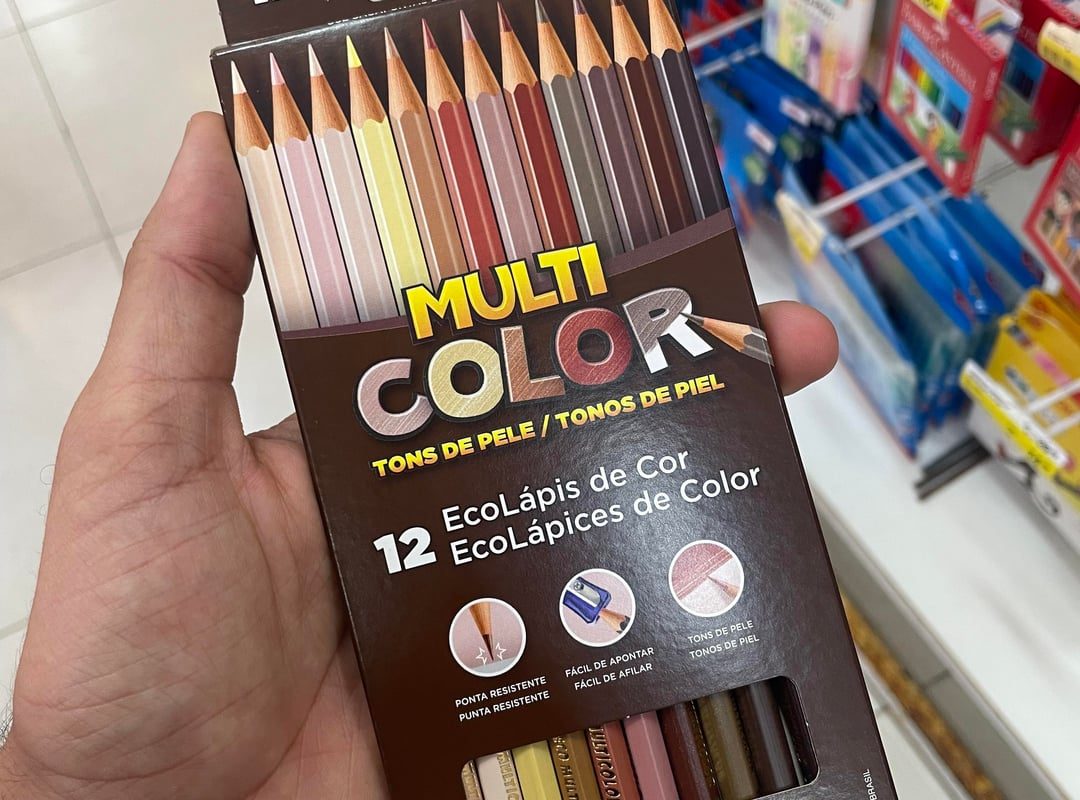
Skin color Pencil
Unveiling Realism: The Art & Importance of Skin Color Pencils in Modern Art
Intro: The Palette of Humanity
In the world of colored pencil art, capturing lifelike skin tones has long been a challenge. Enter skin color pencils—specialized tools designed to reflect the beautiful diversity of human complexions. These essential art supplies empower artists to portray portraits and figures with unprecedented realism and inclusivity. Whether you’re a professional illustrator, a hobbyist, or an educator, understanding the significance of these pencils can elevate your art and align with a growing cultural demand for representation.
1. What Are Skin Color Pencils?
Skin color pencils are artist-grade colored pencils curated into sets that focus exclusively on human skin tones. Unlike generic pencil sets, they include a spectrum of hues, from pale ivories and warm peaches to rich caramel tones, deep umbers, and cool ebony shades. Brands like Prismacolor, Faber-Castell, and Derwent offer dedicated “portrait” or “skin tone” sets built to mimic the subtle undertones (red, yellow, olive, or blue) found in real skin.
2. Why Artists Need Dedicated Skin Tone Pencils
a) Accuracy Beyond Basic Colors
Mixing generic reds, yellows, and browns rarely achieves nuanced skin tones. Dedicated sets streamline the process, offering premade gradients that reflect natural pigmentation, shadows, and highlights.
b) Inclusivity & Representation
Art has the power to celebrate diversity. Skin color pencils enable artists to accurately depict people of all ethnicities, avoiding outdated or stereotypical approximations.
c) Time-Saving & Consistency
Precision-mixed pigments ensure seamless blending and repeatable results, ideal for series work or client commissions requiring uniformity.
3. Key Features of High-Quality Skin Tone Pencils
When shopping, prioritize these attributes:
- Lightfastness: Resists fading over time (look for ASTM D-6901 ratings).
- Blendability: Creamy cores allow smooth layering without wax bloom.
- Range: 12–24+ pencils covering fair to deep tones + undertone variations.
- Opacity: Strong pigmentation for vibrant coverage on textured paper.
Top Brands to Explore:
- Prismacolor Premier Portraits (24 set)
- Faber-Castell Polychromos Skin Tones
- Caran d’Ache Pablo Skin Colors
- Derwent Drawing Skin Tones
4. Techniques for Stunning Skin Realism
a) Layer Undertones First
Start with a base of subtle pinks, yellows, or blues (depending on the subject’s complexion) before adding deeper shades.
b) Use Blending Tools
Colorless blenders, solvents, or tissue paper soften edges and create a “soft-focus” effect.
c) Highlight & Shadow Mapping
Identify light sources first: use light peaches or beiges for highlights and cooler browns/grays for shadows to add dimension.
d) Avoid Over-Saturation
Skin isn’t monochromatic! Introduce gentle hints of green (for veins) or lavender (for cool shadows) to avoid flatness.
5. The Cultural Shift Toward Inclusive Art Supplies
The rise of skin color pencils mirrors a broader movement in arts and media toward authentic representation. Brands are expanding their ranges beyond Eurocentric “nude” tones, often collaborating with artists of color to develop inclusive palettes. Educators also use these tools to teach students about diversity through art—making them valuable beyond just portraiture.
Conclusion: Beyond the Pencil Box
Skin color pencils are more than practical art tools—they’re a bridge to empathy and accuracy in visual storytelling. By embracing these specialized sets, artists contribute to a world where every shade is celebrated with nuance and respect. Whether you’re sketching a personal memoir or a global gallery piece, the right palette ensures your art resonates with truth and beauty.
Call to Action
Ready to expand your creative horizons? Browse our curated guide to the best skin tone pencil sets and unlock the secret to lifelike portraits today!
Keywords for SEO: skin color pencils, skin tone colored pencils, realistic portrait drawing, diverse art supplies, skin tone blending, Prismacolor portraits, inclusive art tools, drawing human skin, colored pencil techniques, ethnic skin tones.