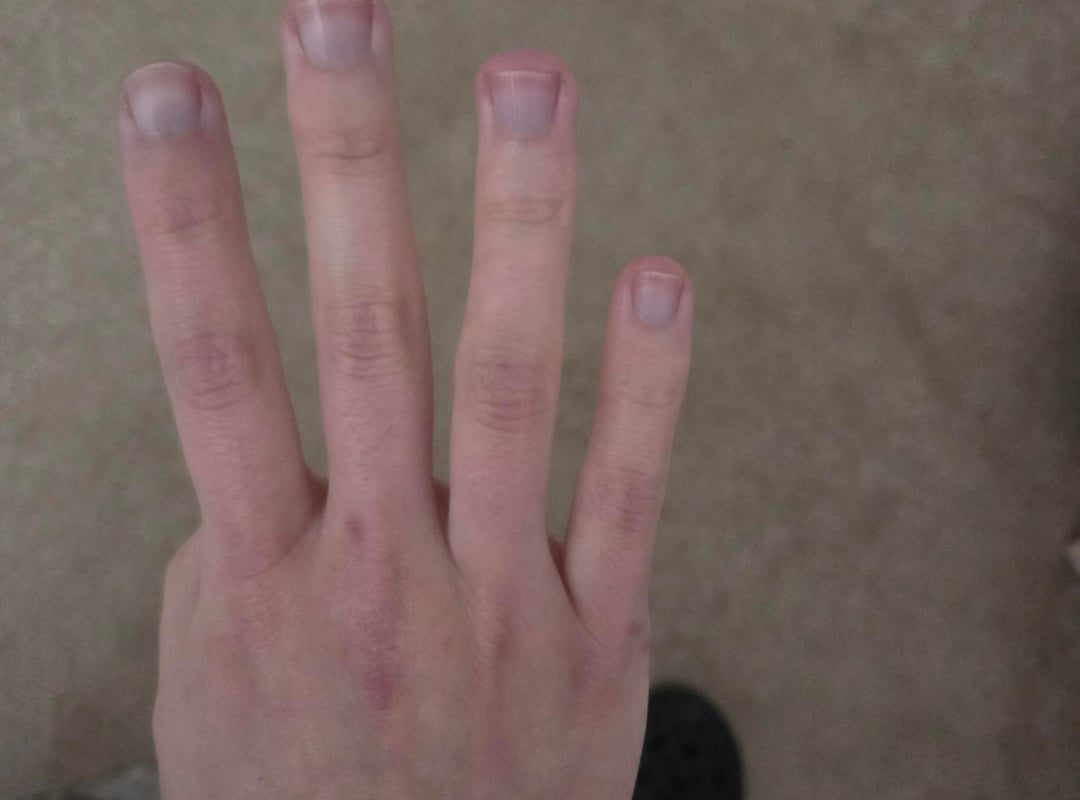
So my finger suddenly turn purple for no reason
Title: Purple Finger for No Reason? Here’s What It Might Mean (And When to Worry)
Discovering a sudden purple discoloration in one of your fingers can be alarming, especially if there’s no obvious injury or cause. While sometimes this symptom resolves on its own, it can also signal an underlying health issue. In this guide, we’ll break down the possible reasons why your finger turned purple without explanation, when to seek medical help, and how to respond.
Why Did My Finger Suddenly Turn Purple? 6 Possible Causes
Purple or bluish discoloration (called cyanosis) occurs when blood flow to the finger is reduced or oxygen levels in the blood drop. Potential causes include:
-
Raynaud’s Phenomenon
- What Happens: Tiny blood vessels in the fingers overreact to cold or stress, causing spasms and reduced blood flow.
- Symptoms: Finger(s) turn white → blue/purple → red upon rewarming. May feel numb or tingly.
- Action: Keep hands warm and avoid triggers. See a doctor if frequent or severe.
-
Minor Trauma or Bruising
- What Happens: You might have bumped your finger without realizing it, causing a bruise (subcutaneous bleeding).
- Symptoms: Purple, tender, or swollen skin. May fade to yellow/green over days.
- Action: Rest, ice, and elevate. If pain worsens or mobility is affected, consult a doctor.
-
Blood Circulation Problems
- Examples: Peripheral artery disease (PAD), blood clots, or vasculitis (inflamed blood vessels).
- Symptoms: Persistent purple color, cold fingers, numbness, or fatigue.
- Action: Seek urgent care if accompanied by chest pain, dizziness, or swelling.
-
Infection (Cellulitis or Abscess)
- What Happens: Bacterial infections can cause inflammation and discoloration.
- Symptoms: Purple or red skin, warmth, pain, pus, or fever.
- Action: Antibiotics are often needed. Don’t delay treatment.
-
Frostbite
- What Happens: Exposure to extreme cold damages skin and blood vessels.
- Symptoms: Purple/black skin, blisters, numbness, or hardness.
- Action: Rewarm gently and seek emergency care if severe.
-
Rare Causes
- Tumors: Malignant melanoma or glomus tumors may appear as dark spots.
- Autoimmune Disorders: Lupus or scleroderma can affect circulation.
When to See a Doctor Immediately
While a purple finger is often harmless, seek emergency care if you have:
- Severe pain, swelling, or inability to move the finger.
- Shortness of breath, chest pain, or uneven discoloration in multiple limbs (sign of a clot).
- High fever, rapid skin changes, or gangrene (blackened tissue).
- Purple discoloration that doesn’t resolve within a few hours.
What Should I Do Right Now?
- Check for Other Symptoms: Note numbness, temperature changes, swelling, or rashes.
- Try Warming the Finger: If cold-related, soak in warm (not hot) water for 5–10 minutes.
- Avoid Tight Clothing or Jewelry: These can restrict blood flow.
- Don’t Panic: Stress can worsen Raynaud’s symptoms.
Preventive Tips
- Keep Hands Warm: Wear gloves in cold weather.
- Quit Smoking: Nicotine constricts blood vessels.
- Manage Underlying Conditions: Control diabetes, hypertension, or autoimmune disorders.
- Avoid Repetitive Stress: Minimize vibration or pressure on fingers (e.g., from tools).
FAQs About Sudden Purple Fingers
Q1: Can anxiety turn my fingers purple?
Yes! Stress triggers Raynaud’s phenomenon in some people.
Q2: Are purple fingers a sign of heart problems?
Rarely, but poor circulation from heart or vascular issues could contribute.
Q3: Why did my baby’s finger turn purple?
Check for hair or thread wrapped tightly around the finger (hair tourniquet syndrome).
Key Takeaway
A suddenly purple finger might resolve on its own, but it’s crucial to rule out serious conditions. Track symptoms, prioritize warmth, and consult your healthcare provider—especially if the discoloration is painful, persistent, or spreading. Early intervention improves outcomes!
RankWell Medical Disclaimer: This content is for informational purposes only. Always consult a doctor for personalized advice.