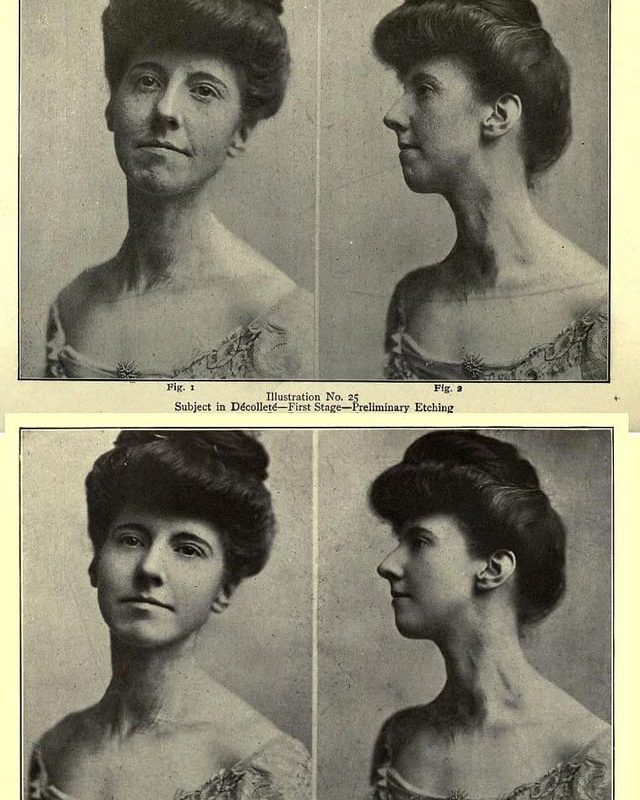
Some examples of Photo Retouching in the early 20th Century
Unveiling the Art of Illusion: Photo Retouching in the Early 20th Century
Before the age of Photoshop and AI-powered tools, photo retouching was a meticulous craft—an art form that reshaped reality with brushes, dyes, and ingenuity. The early 20th century marked a transformative era for photography, as pioneers manually altered images to achieve perfection, push propaganda, or stoke the imagination. From Hollywood glamour to political manipulation, these techniques laid the groundwork for modern visual storytelling. Let’s explore groundbreaking examples of photo retouching from this revolutionary period.
The Rise of Retouching: Why Early Photography Needed “Correction”
In the 1900s–1930s, photography faced limitations:
- Technical constraints: Film emulsions lacked sensitivity, often resulting in flat, low-contrast images.
- Cultural expectations: Portraiture demanded idealized beauty, free of blemishes or “flaws.”
- Commercial demands: Magazines and advertisers sought eye-catching visuals to sell products or lifestyles.
Retouching became essential to “perfect” reality. Artists used tools like graphite pencils, fine brushes, and even etching knives to alter negatives and prints by hand.
6 Pioneering Examples of Early 20th Century Photo Retouching
1. Hollywood’s Golden Age Glamour (1920s–1930s)
Studio photographers like George Hurrell transformed actors into ethereal icons. Using airbrushing (then done with actual air guns!) and pencil retouching, they:
- Erased wrinkles, pores, and sweat.
- Enhanced cheekbones and jawlines.
- Added dramatic lighting effects.
Example: Portraits of Greta Garbo and Marlene Dietrich showcased impossibly smooth skin and sculpted features, crafting the myth of celluloid perfection.
2. Political Propaganda & Historical Revisionism
Governments weaponized retouching to manipulate public perception:
- Stalin’s Vanishing Acts (1930s): Soviet censors famously erased disgraced political figures from group photos. Former allies like Leon Trotsky disappeared from history with ink and scalpels.
- WWI & WWII Propaganda Posters: Retouching heightened emotions—adding grit to soldiers’ faces or ominous shadows to enemy figures.
3. Fashion & Advertising Fantasies
Early magazines like Vogue and Harper’s Bazaar relied on retouching to sell luxury:
- Clothing textures were enhanced with dyes.
- Backgrounds were painted over to create surreal settings.
- Product photos (e.g., cosmetics) featured unnaturally flawless models—a trend that persists today.
4. The Cottingley Fairies Hoax (1917)
Two British cousins fooled the world with photos of “real” fairies. While the images were staged, subtle retouching (adding wing details and ethereal glows) lent credibility. Even Sherlock Holmes creator Arthur Conan Doyle endorsed them as genuine!
5. Edward Steichen’s Avant-Garde Experiments
The renowned photographer-artist blended painting and photography. His 1904 portrait “The Pond–Moonlight” used layered gum bichromate prints and hand-coloring to create a dreamlike, painterly effect—challenging photography’s “truthful” reputation.
6. Dorothea Lange’s Migrant Mother (1936)
While technically late for this era, Lange’s Depression-era icon was retouched to remove a distracting thumb in the original negative. This small edit intensified the focus on the subject’s weathered face, amplifying its emotional power.
The Tools & Techniques Behind the Magic
Before digital tools, retouching required surgical precision:
- Pencil Retouching: Graphite was applied directly to negatives to soften skin or add shine to hair.
- Spotting: Brushes and dyes repaired scratches or dust spots on prints.
- Airbrushing: A pressurized tool sprayed dyes to smooth backgrounds or create gradients.
- Composite Printing: Multiple negatives were exposed onto one print (e.g., adding clouds to landscapes).
Legacy: How Early Retouching Shaped Modern Visual Culture
The early 20th century established enduring themes:
- Ethical debates: When does enhancement become deception?
- Beauty standards: Retouching’s role in perpetuating unrealistic ideals.
- Art vs. Documentation: Blurring the line between truth and fiction.
Ironically, these analog techniques—now considered “vintage”—are revived as retro filters in apps like Instagram, proving that our fascination with curated reality remains timeless.
Keywords for SEO:
Early 20th century photo retouching, vintage photo manipulation examples, Hollywood glamour retouching, Stalin erased photos, Cottingley Fairies retouching, manual photo editing history, airbrushing in 1930s photography, Edward Steichen retouched photos, pre-digital photo retouching techniques, ethical implications of photo retouching.
Meta Description:
Discover how early 20th century photo retouching reshaped reality—from Hollywood glamour to political propaganda. Explore manual techniques, iconic examples, and lasting ethical debates.
By understanding this pre-digital art form, we gain perspective on today’s era of deepfakes and AI editing—proving that manipulating images has always been part of human storytelling.