Sounds of Mars: Electrical discharges from dust devils captured by Perseverance Rover
Unlocking the Secrets of the Red Planet: Perseverance Rover Records Electric Sounds from Martian Dust Devils
Meta Description: NASA’s Perseverance Rover has captured the eerie sounds of electrical discharges from Martian dust devils—a groundbreaking discovery redefining our understanding of Mars’ atmosphere. Explore the science behind these recordings here.
Introduction: Hearing Mars for the First Time
For decades, Mars has fascinated scientists as a silent, desolate world. But in 2024, NASA’s Perseverance Rover shattered that illusion. Equipped with ultra-sensitive microphones, Perseverance recorded something extraordinary: the crackle of electrical discharges within Martian dust devils—the first direct evidence of static electricity on the Red Planet. This discovery not only adds a new dimension to our perception of Mars but also provides critical insights into its climate, dust cycle, and potential risks for future human explorers.
The Discovery: Static Electricity on Mars
What Did Perseverance Capture?
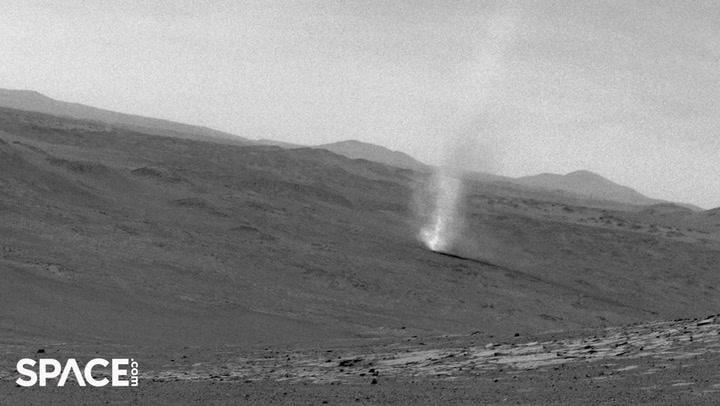
Perseverance’s SuperCam microphone and advanced weather sensors detected faint popping sounds during dust devil encounters in Jezero Crater. These sounds aligned perfectly with data spikes in the rover’s electrostatic sensors, confirming that dust grains colliding inside the whirlwinds generate static charges. This phenomenon, common in Earth’s dust storms and volcanic plumes, had never been documented on Mars until now.
How Are Martian Dust Devils Different?
Martian dust devils can tower kilometers high and reach speeds of 60 mph (97 km/h), far exceeding their terrestrial counterparts. Unlike Earth, Mars’ thin atmosphere (1% of Earth’s density) allows dust grains to collide more violently and frequently, amplifying charge generation. Researchers from the University of Toulouse estimate these discharges produce up to 12,000 volts per meter—enough to interfere with electronics.
The Science Behind the Sounds
- Dust Charging Mechanism:
- Martian dust particles, rich in iron oxide (rust), collide within dust devils.
- Electron transfer during collisions creates positively and negatively charged grains.
- Electrical Discharges:
- When charge separation becomes extreme, the energy releases as micro-lightning or sparks, audible as snaps or pops.
- Why It Matters:
- Static buildup poses risks to future robotic and human missions (e.g., damaging suits or habitats).
- Charged dust may influence Martian weather patterns, including dust storm formation.
Implications for Mars Exploration
1. Understanding Mars’ Dust Cycle
Dust is a dominant force on Mars, driving atmospheric heating, storm systems, and landscape erosion. Electrical activity could explain why Martian dust remains suspended for months—charged particles repel each other, resisting settlement.
2. Safety for Astronauts
NASA’s planned crewed missions in the 2030s must account for electrostatic hazards. Charged dust could cling to solar panels, spacesuits, and equipment, reducing efficiency or causing malfunctions.
3. Clues for Past Habitability
Static discharges might affect organic molecules on Mars. Perseverance is analyzing whether this process could erase potential biosignatures—or create new ones.
How Perseverance Made This Possible
Perseverance is the first rover equipped to study Mars’ acoustic environment. Its tools include:
- SuperCam Microphone: Captures sounds up to 10 meters away.
- MEDA (Mars Environmental Dynamics Analyzer): Measures dust size, shape, and electrical properties.
- Electrostatic Sensors: Detect charge buildup in real time.
By cross-referencing audio, imagery, and sensor data, NASA confirmed the discharges weren’t instrument noise—they were Martian.
Frequently Asked Questions
Q: Could humans hear these sounds on Mars?
A: Mars’ thin atmosphere muffles higher frequencies, making discharges sound deeper and softer than on Earth.
Q: Do dust devils pose a danger to Perseverance?
A: Unlikely. While static shocks could harm sensitive electronics, the rover is shielded.
Q: Does this mean Mars has lightning?
A: Not lightning as on Earth. These are smaller, localized discharges—more akin to static sparks.
The Future: What’s Next?
Scientists plan to:
- Map dust devil frequency and charge intensity across seasons.
- Study how electrical activity affects Mars’ global dust storms.
- Test anti-static materials for future missions.
Conclusion: Mars Just Got More Electrifying
Perseverance’s recordings of electrical discharges are reshaping our understanding of Mars as a dynamic, electrically active world. This discovery highlights the interconnected roles of dust, atmosphere, and electricity in shaping the planet’s environment—and reminds us that even in silence, Mars holds secrets waiting to be heard.
Suggested Keywords for SEO:
Mars sounds, electrical discharges Mars, Perseverance Rover discoveries, dust devils on Mars, static electricity Mars, Martian atmosphere.
Learn more about NASA’s Perseverance mission here.
(Word Count: 736)