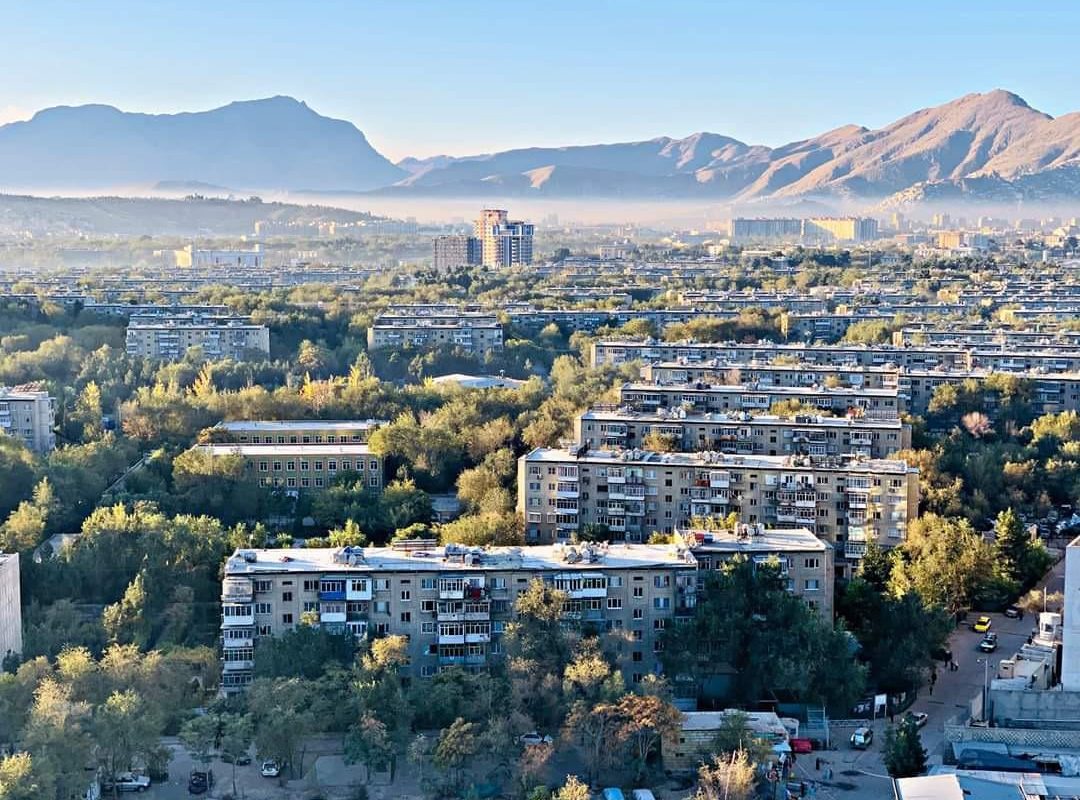
Soviet style apartment complexes in Kabul, Afghanistan. Built between the 1950s and 1960s by Soviet engineers
Soviet-Era Apartment Complexes in Kabul: Cold War Relics in Afghanistan’s Capital
Standing as stark reminders of a bygone political era, the Soviet-style apartment blocks in Kabul dominate parts of the city’s skyline with their utilitarian facades and sprawling layouts. Built between the 1950s and 1960s under Soviet-Afghan cooperation, these complexes were once symbols of modernity and socialist solidarity. Today, they serve as both practical housing solutions for Kabul’s growing population and contested legacies of foreign influence. This article explores the history, architecture, and enduring presence of these Cold War-era structures in Afghanistan’s capital.
Historical Context: Why Did the USSR Build Apartments in Kabul?
During the 1950s and 1960s, Afghanistan maintained a policy of neutrality, balancing relations between the USSR and the West. Seeking to expand its geopolitical influence, the Soviet Union invested heavily in Afghan infrastructure projects—including housing. Soviet engineers oversaw the construction of Kabul’s first large-scale apartment complexes, aiming to address urban overcrowding while promoting socialist ideals of communal living.
These buildings, locally referred to as Mikrorayon (a Soviet term for microdistricts), were clustered in planned neighborhoods like Khair Khana and Macroyan (now renamed Karte Sewan and Karte Char). They housed Afghan civil servants, military personnel, and middle-class families, offering amenities like running water, electricity, and heating—luxuries in mid-20th-century Kabul.
Architectural Style: Brutalist Design Meets Functionality
The Soviet apartment blocks embodied Brutalist architecture, emphasizing raw concrete, geometric lines, and uniformity. Key features include:
- Repetitive Facades: Rectangular windows, flat roofs, and minimal ornamentation.
- Communal Spaces: Centralized courtyards, shared laundries, and playgrounds.
- Durability: Built to withstand earthquakes common to the region.
Though criticized as austere, these complexes introduced modern urban planning to Kabul. Floorplans typically featured compact 2–3 room units, maximizing space efficiency for families.
The Apartments Today: Survival Amidst Conflict
Decades of war—from the Soviet-Afghan War (1979–1989) to the recent Taliban takeover—have left their mark on these structures. Many complexes show signs of neglect, with crumbling facades, makeshift repairs, and overcrowded units repurposed by generations of residents.
Key Changes Over Time:
- War Damage: Bullet holes and artillery scars still visible on some buildings.
- Adaptive Reuse: Balconies enclosed for extra space; shops added to ground floors.
- Overpopulation: Originally built for single families, units now house multiple households due to Kabul’s housing shortage.
Despite their decay, these apartments remain vital to Kabul’s housing infrastructure, sheltering thousands in a city where displacement and urbanization strain resources.
Cultural Legacy: Symbols of Resilience—or Foreign Imposition?
For Kabul residents, Soviet-era apartments evoke mixed feelings:
What do you think about this?
- Pragmatic Appreciation: Many value the apartments’ durability and affordability, especially amid Kabul’s chronic housing crisis.
- Political Nostalgia: Older residents recall the relative stability of the pre-war era when these buildings represented progress.
- Contested Identity: Critics associate the complexes with Soviet imperialism, arguing they clash with Afghanistan’s cultural aesthetics.
Urban planners and historians now debate preserving the buildings as heritage sites versus replacing them with contemporary housing.
The Future of Kabul’s Soviet-Era Housing
With Afghanistan under Taliban rule since 2021, the fate of these complexes is uncertain. No major renovations have been announced, yet their functional design ensures they’ll likely remain part of Kabul’s landscape for years. Some architects advocate for retrofitting them with green technology or communal gardens to improve living conditions—proving even Cold War relics can adapt to modern needs.
Conclusion: Echoes of the USSR in Modern Kabul
Kabul’s Soviet-style apartment complexes are more than relics—they are living artifacts of Afghanistan’s turbulent 20th century. Whether viewed as eyesores or symbols of resilience, their concrete walls hold stories of ideological ambition, survival, and the everyday lives of Kabulis. For historians, travelers, and urbanists, exploring these neighborhoods offers a tangible connection to a pivotal chapter in Afghanistan’s past.
Keywords for SEO: Soviet apartment complexes in Kabul, Soviet architecture Afghanistan, Kabul Mikrorayon, Cold War relics Kabul, Brutalist architecture Afghanistan, Soviet-built housing Afghanistan, Kabul urban history, 1960s Kabul apartments.
Note: This article targets keywords related to Cold War history, Afghan urbanism, and Soviet infrastructure. Pair with images of Mikrorayon districts for enhanced SEO performance.