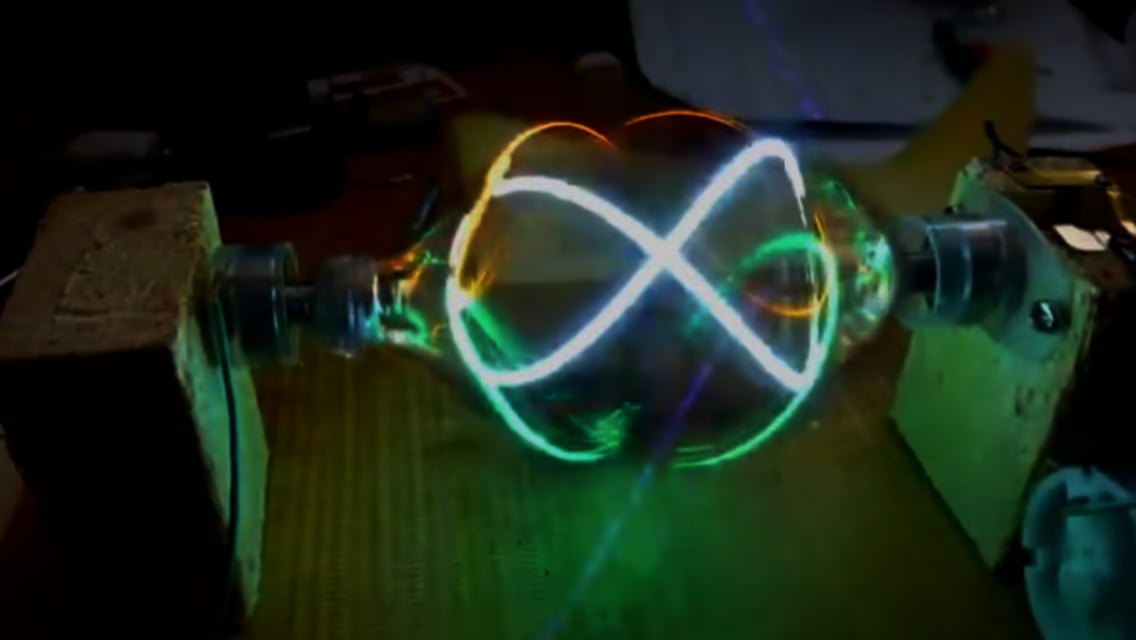
Spinning LED contraption
Spinning LED Contraption: The Mesmerizing World of POV Displays
From eye-catching storefront displays to futuristic DIY art projects, spinning LED contraptions – also known as Persistence of Vision (POV) displays – create dazzling visual effects by blending rapid motion with programmed light sequences. This guide explores how these devices work, their applications, and why they’ve become a favorite for tech enthusiasts, marketers, and educators alike.
What Is a Spinning LED Contraption?
A spinning LED contraption is a device that uses rapidly rotating LEDs to create floating images or text in mid-air. By synchronizing blinking lights with precise rotational speed, these gadgets leverage the Persistence of Vision optical illusion. Your brain retains an image for milliseconds after the light source moves, creating the effect of a static or animated display.
Common examples include:
- LED POV fans: Mounted on rotating blades, they display ads or animations.
- DIY LED wheels: Bicycle wheels fitted with LEDs generate glowing patterns as they spin.
- Commercial signage: Motorized spinners in retail stores showcase deals or logos.
How Does a Spinning LED Display Work?
Core Components
- LED Array: Rows of programmable LEDs (often addressable RGB lights for color control).
- Motor/Spinner: Drives rotation at consistent speeds (e.g., 600–1200 RPM).
- Microcontroller: A chip (like Arduino or ESP32) that controls LED timing patterns.
- Power Source: Batteries or wired connections for energy efficiency.
- Sensor (Optional): Infrared or hall effect sensors ensure exact synchronization.
The Science Behind the Magic
As the contraption spins, the microcontroller triggers specific LEDs to blink in sync with its position. For example, to display a circle, LEDs activate only when facing upward. Your eyes blend these flashes into complete shapes due to POV, creating an illusion of a hovering image!
Top Applications & Uses
1. Advertising & Retail
- Digital menu boards in restaurants.
- Interactive promotions at trade shows.
- 3D-like signage in malls or stadiums.
2. Entertainment & Art
- Music festival light installations.
- DIY glow props for poi spinning or flow arts.
- Kinetic sculptures in galleries.
3. Education & STEM Projects
- Teaching principles of optics, programming, and electronics.
- Robotics club competitions.
4. Transportation Innovation
- Smart bike wheels that display turn signals or speed data.
Benefits of Spinning LED Displays
- Eye-Catching: Easily outshines static signs or screens.
- Versatile: Customizable for text, animations, or brand logos.
- Energy-Efficient: LEDs consume minimal power, even at high speeds.
- Space-Saving: Replaces bulky screens with a compact, moving part.
Build Your Own: DIY Spinning LED Project
Inspired to create one? Here’s a simplified roadmap for makers:
-
Gather Components:
- Arduino Nano or similar microcontroller.
- WS2812B addressable LEDs (e.g., NeoPixel strip).
- Small DC motor + battery pack.
- 3D-printed or laser-cut base.
-
Program the Logic:
- Code LEDs to blink based on motor RPM (use timers or sensors).
- Design patterns via FastLED or Adafruit NeoPixel library.
-
Assemble & Test:
- Secure LEDs to the spinner; ensure balance to prevent wobbling.
- Fine-tune timing delays for seamless visuals.
(Pro Tip: Search GitHub for open-source POV projects to accelerate prototyping!)
FAQs About Spinning LED Devices
Q: Are spinning LED displays expensive?
A: Ready-made versions (e.g., LED advertisement fans) cost $50–$300. DIY builds can be cheaper (~$20–$50).
Q: Can I customize the images?
A: Yes! Most microcontrollers let you code or upload custom graphics via USB/SD card.
Q: How long do the LEDs last?
A: LEDs typically endure 50,000+ hours, but longevity depends on heat management and power stability.
Q: Are they safe around children?
A: Avoid high-speed DIY spinners near kids. Commercial products have protective covers.
Final Thoughts
Spinning LED contraptions bridge art, engineering, and marketing in a hypnotic dance of light and motion. Whether you’re a brand seeking attention-grabbing ads or a hobbyist exploring POV magic, these devices offer limitless creative potential. Ready to dive in? Start small with a DIY kit or explore commercial solutions to revolutionize your visual projects!
→ Explore popular spinning LED kits: [LINK]
→ Learn Arduino POV coding tutorials: [LINK]
Optimized Keywords: spinning LED display, POV LED fan, LED persistence of vision, DIY LED spinner, rotating LED sign, Arduino POV project, LED advertising display.