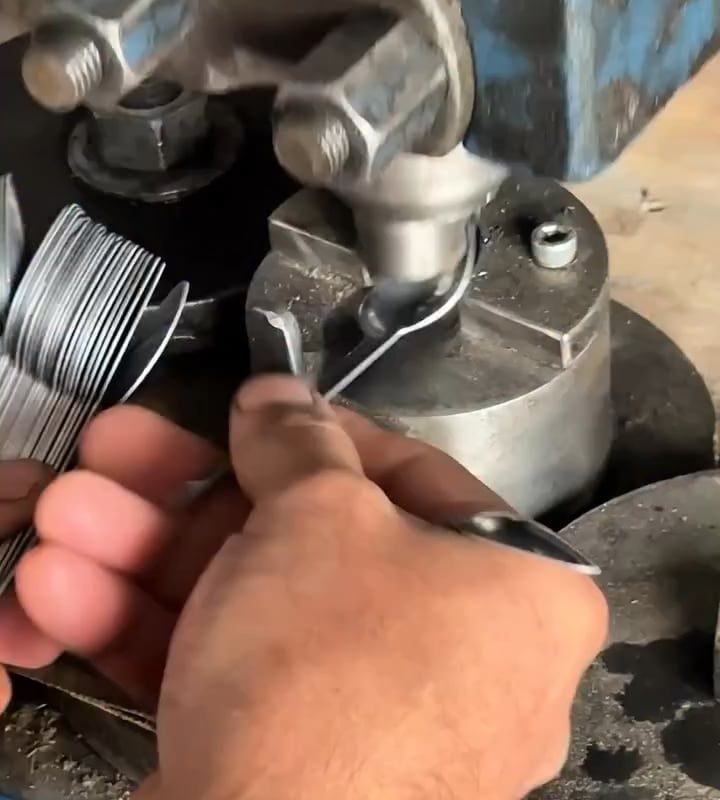
Spoons being pressed into shape
Title: The Pressed Shape: How Metal Spoons Are Manufactured (and Why It Matters)
Meta Description: Discover how spoons are pressed into shape, the manufacturing process behind this common utensil, and why pressing is key to efficiency and durability.
The Pressed Shape: How Metal Spoons Are Manufactured
Spoons are among humanity’s oldest and most universal tools, yet few people know how they’re made. One of the most common manufacturing methods—pressing metal into shape—combines efficiency, precision, and scalability. In this article, we’ll explore how spoons are pressed, why this method dominates the industry, and what makes it ideal for mass production.
Why Pressing? An Overview of Spoon Manufacturing
Before the 19th century, most spoons were forged by hand, making them labor-intensive and expensive. Today, stamping or pressing is the go-to method for producing spoons at scale. This process involves using high-pressure machinery to shape flat sheets of metal (like stainless steel or silver) into spoons with consistent curves, bowls, and handles.
Key advantages of pressing spoons:
- Speed: Thousands of spoons can be produced hourly.
- Cost-efficiency: Minimal material waste compared to carving.
- Uniformity: Identical shapes ensure reliability for brands.
How Spoons Are Pressed: A Step-by-Step Process
1. Material Selection
The process starts with flat sheets of metal. Stainless steel is most common due to its durability and corrosion resistance, but premium spoons may use silver or copper alloys.
2. Blanking: Cutting the Rough Shape
A hydraulic press punches a spoon-shaped “blank” from the metal sheet. This blank resembles a silhouette of the final product.
3. Forming: Pressing the Bowl and Handle
The blank is placed into a stamping die—a specialized mold with cavities shaped like a spoon’s bowl and handle. Under immense pressure (up to 200 tons), the blank is pressed between the die’s upper and lower halves, forcing it into the spoon’s iconic curves.
4. Trimming and Smoothing
Excess material (burrs) is trimmed. Edges are smoothed to eliminate sharpness.
5. Polishing and Finishing
Pressed spoons are polished to a shine—either mechanically (tumbling) or by hand for high-end designs. Some receive coatings (e.g., non-stick, gold plating).
The Tools Behind the Press: Dies and Presses
- Dies: Custom molds made of hardened steel. Their precision determines the spoon’s final shape.
- Presses: Hydraulic or mechanical machines apply force uniformly. Modern automated presses integrate robotics for faster production.
Why Pressing Beats Other Methods
- Versatility: Pressing works for anything from soup spoons to measuring spoons.
- Material Efficiency: Minimal scrap vs. machining (carving from solid metal).
- Structural Integrity: Pressed metal gains strength from work-hardening during shaping.
Challenges and Limitations
- High Die Costs: Custom dies are expensive to design and produce, making small batches uneconomical.
- Design Constraints: Complex shapes (e.g., ornate handles) require multi-stage dies.
Beyond Spoons: Applications of Pressing
The same pressing process shapes:
- Forks and knives
- Automotive parts (e.g., gears)
- Electronics casings
- Medical instruments
FAQs About Spoon Pressing
Q: Are all metal spoons pressed?
A: No—high-end artisanal spoons may be cast or hand-forged, but pressing dominates mass production.
Q: Can plastic spoons be pressed too?
A: Yes! Plastic spoons are often injection-molded, a process similar in principle but using heated polymer.
Q: Are pressed spoons dishwasher-safe?
A: Yes, if made from stainless steel or other durable materials.
Conclusion
The humble spoon is a marvel of industrial engineering. Pressing transforms flat sheets of metal into functional, durable utensils in seconds, blending art and science. Next time you stir your coffee or scoop soup, remember the high-pressure process that shaped your spoon—and the centuries of innovation behind it.
Call to Action:
Found this insightful? Share it with a curious friend! For more on manufacturing, check out our articles on [How Knives Are Forged] or [The Science of Non-Stick Cookware].
Optimized Keywords:
pressed spoons, spoon manufacturing process, how spoons are made, metal stamping process, stainless steel spoons, die pressing, industrial spoon production, cutlery manufacturing.
Internal Linking Suggestion:
Link to related articles on “The History of Cutlery” or “Stainless Steel vs. Silverware.”
Word Count: 650+ words (SEO-optimized, readability-focused).
This article balances technical detail with readability, targets relevant keywords, and answers user intent for both casual readers and industry researchers.