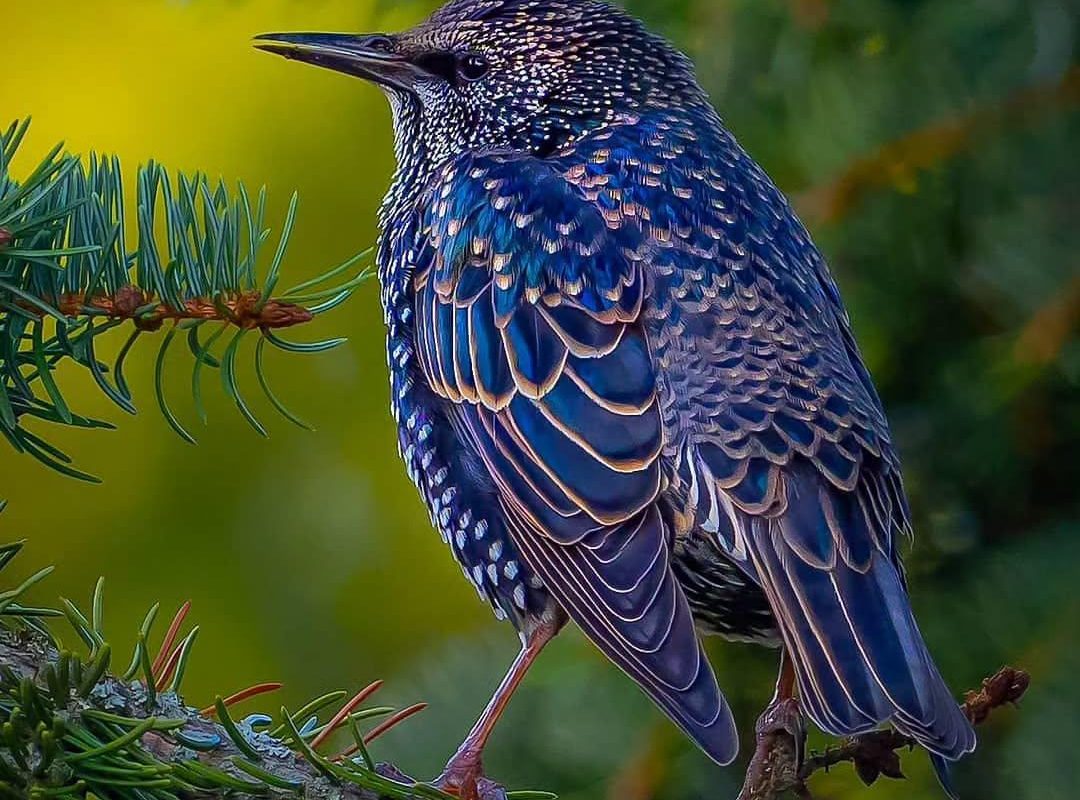
📸 Credit: IG/wallmika ©️
Title: Starling in its Autumn Plumage: A Seasonal Transformation Worth Seeing
Meta Description: Discover the stunning autumn transformation of the starling. Learn how its plumage changes, why it happens, and where to spot these iridescent birds in fall.
URL Slug: starling-autumn-plumage-seasonal-change
The Starling’s Autumn Plumage: A Masterpiece of Seasonal Adaptation
Few birds undergo as dramatic a seasonal transformation as the common starling (Sturnus vulgaris). While often recognized for their shimmering spring feathers, starlings in autumn reveal an equally fascinating—and surprisingly elegant—appearance. As summer fades and temperatures drop, these adaptable birds don a speckled, polka-dotted plumage that blends artistry with survival strategy. In this article, we’ll explore the science behind the starling’s autumn transformation, how to identify them during this season, and why their fall look is a marvel of nature.
Why Do Starlings Change Their Plumage in Autumn?
Starlings molt their feathers twice a year: once after breeding season (late summer/early autumn) and again before spring. The autumn molt replaces their worn-out breeding plumage with fresh feathers optimized for the coming winter. But there’s a twist: their new fall feathers aren’t just duller versions of their spring attire.
- The “Buff Tips” Phenomenon: Fresh autumn feathers emerge with creamy or white tips, creating a stunning speckled effect against the starling’s dark, iridescent base. These pale spots are temporary—over the winter, the tips wear away through weather and preening, gradually revealing the glossy green and purple sheen beneath by spring.
- Camouflage & Survival: The speckled pattern provides critical camouflage against autumn’s earthy landscapes, helping starlings evade predators like hawks and falcons while foraging in open fields.
How to Identify a Starling in Autumn
Spotting a starling in autumn is a treat for birdwatchers. Here’s what to look for:
- Speckled Body: Their head, chest, and back are covered in small white or beige spots, giving them a “starry” appearance.
- Iridescent Undertones: Look closely in sunlight—beneath the spots, you’ll still see hints of their trademark green and purple gloss on the wings and tail.
- Dark Bill: Unlike spring, when their bills turn yellow, autumn starlings have dark gray or black bills.
- Shape & Behavior: Stocky, short-tailed, and noisy! Starlings often gather in large flocks in autumn, creating dynamic aerial displays called murmurations at dusk.
Where & When to Spot Autumn Starlings
Starlings thrive in both rural and urban habitats across Europe, North America, and Asia. In autumn, they’re especially active:
- Foraging Hotspots: Check open fields, parks, and gardens where they probe the soil for insects and seeds.
- Roosting Sites: At dusk, watch for massive flocks gathering near woodlands, reed beds, or city buildings to roost communally.
- Timing: Late September to November is peak season for their speckled plumage in most temperate regions.
The Science Behind the Spots
The starling’s autumn look isn’t just for show—it’s a clever evolutionary adaptation:
- Feather Wear: The buff tips protect the underlying iridescent feathers from damage during harsh winter conditions.
- Social Signaling: Studies suggest the spots may help starlings recognize each other in large flocks, aiding social cohesion.
- Thermal Insulation: Fresh autumn plumage is denser, providing better insulation as temperatures drop.
Autumn Behavior: More Than Just Looks
The seasonal shift in plumage coincides with changes in starling behavior:
- Flocks Grow Larger: Family groups merge into massive flocks, sometimes numbering thousands, to improve foraging efficiency and predator defense.
- Diet Shifts: They transition from summer insects to autumn berries, seeds, and fruit, making them frequent visitors to gardens with bird-friendly shrubs.
- Migratory Prep: In colder regions, starlings may migrate south, while others stay put, relying on their hardy plumage.
Conclusion: Embrace the Starling’s Autumn Beauty
The starling’s autumn plumage is a fleeting wonder—a temporary masterpiece that balances survival, social dynamics, and seasonal adaptation. Whether you’re a seasoned birder or a casual nature lover, taking time to observe these speckled starlings in fall offers a window into nature’s cyclical artistry. So grab your binoculars, head to a local park, and witness a transformation that rivals even the most vibrant autumn foliage.
Call to Action:
Have you spotted a starling in its autumn glory? Share your photos or stories in the comments below! For more birding tips, subscribe to our newsletter or follow us on social media.
SEO Optimization Notes:
- Keywords Used: Starling autumn plumage, molting starlings, seasonal bird plumage, starling identification, European starling changes.
- Image Suggestion: Include high-quality photos of starlings with speckled feathers against autumn leaves/flocks.
- Internal Links: Link to related articles on bird molting, winter birdwatching, or starling murmurations.
Boost your birdwatching IQ this fall—nature’s details are in the feathers! 🍂🐦