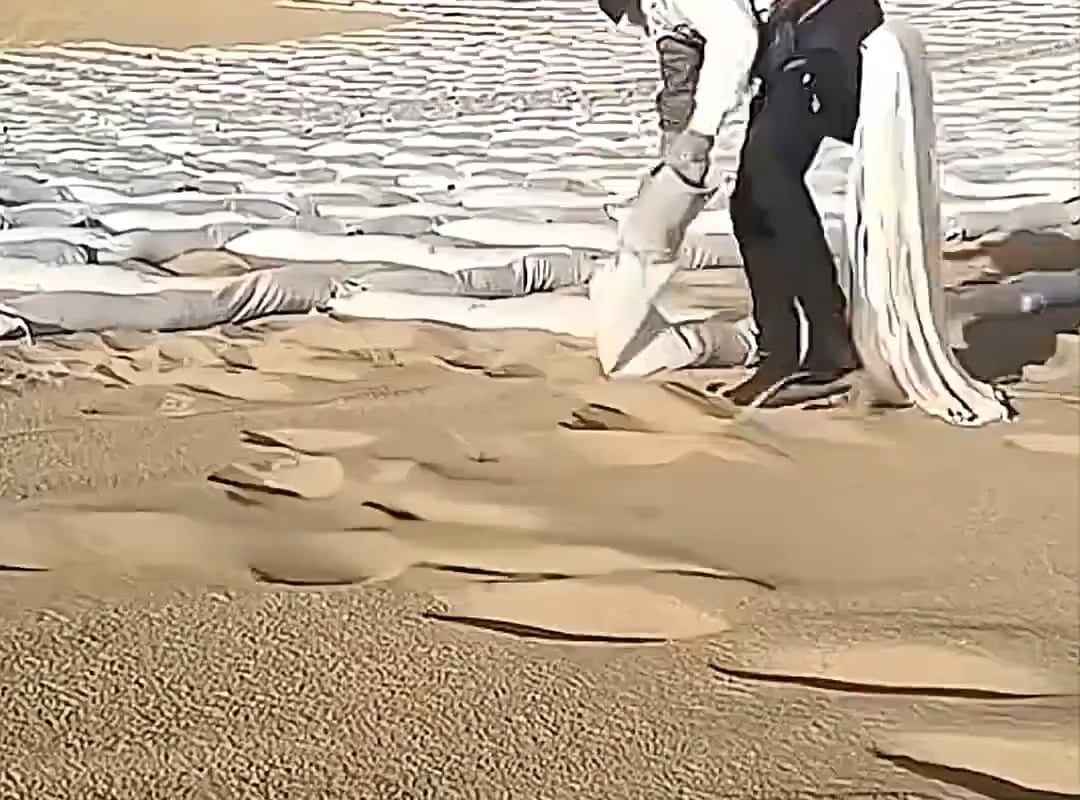
Stopping Desertification with grid pattern
Title: How Grid Pattern Techniques Are Combatting Desertification: A Sustainable Solution for Drylands
Introduction: The Growing Threat of Desertification
Desertification—the degradation of fertile land into arid desert—is accelerating globally due to climate change, deforestation, overgrazing, and unsustainable farming. Over 2 billion people live in dryland regions at risk, with 12 million hectares lost yearly to desertification, threatening food security and biodiversity. However, innovative low-tech solutions like grid pattern techniques (commonly called “straw checkerboards”) are emerging as a cost-effective, sustainable way to halt desertification and restore ecosystems. This article explores how grid patterns work, their proven benefits, and their role in global land restoration efforts.
What is the Grid Pattern Technique?
The grid pattern method, pioneered in China’s Tengger Desert in the 1950s, involves laying natural or biodegradable materials (like straw, branches, or grasses) in overlapping 1m x 1m grids across degraded land. These grids act as windbreaks, stabilize loose soil, trap moisture, and create microhabitats for seeds and plants to take root. Over time, vegetation regrows, transforming barren sand into stable, productive land.
How Grid Patterns Stop Desertification: The Science
-
Wind Erosion Control:
Desert winds displace topsoil at alarming speeds. Grids physically break wind momentum, reducing erosion by up to 85%. Studies show wind speed drops by 50% within grid cells, allowing soil particles to settle. -
Moisture Retention:
The shade from grids reduces evaporation, while the structure traps rain and dew. Soil moisture can increase by 20–30%, creating ideal conditions for plant growth. -
Soil Stabilization:
As grids decompose, they add organic matter to the soil, improving structure and fertility. Roots from new vegetation further bind the soil, preventing future erosion. -
Seed Trapping & Biodiversity Boost:
Wind-blown seeds lodge in the grid cells, while birds and insects introduce native species. Grasses, shrubs, and eventually trees colonize the area, accelerating ecological recovery.
Real-World Success Stories
1. China’s Tengger Desert Transformation
In the Shapotou region, over 16,000 hectares of desert were reclaimed using wheat-straw grids. Within 3–5 years, vegetation coverage rose from 1% to 40–60%. The technique also protected railways and highways from sand encroachment, saving millions in infrastructure costs.
2. Africa’s Great Green Wall Initiative
Countries like Niger and Senegal use grid patterns alongside native tree planting. In Senegal, 50,000+ hectares have been restored, improving crop yields and groundwater levels.
3. Middle Eastern Adaptations
In Saudi Arabia and UAE, grids made from palm fronds stabilize dunes, enabling the growth of drought-resistant plants like Salicornia and acacia.
Implementing Grid Patterns: A Step-by-Step Guide
-
Site Assessment:
Analyze soil type, wind patterns, and water availability. Prioritize areas near communities or critical ecosystems. -
Material Selection:
Use locally available, biodegradable materials (straw, reeds, coconut fibers). Plastic grids are discouraged unless unavoidable. -
Grid Construction:
- Dig 10–20 cm trenches in a checkerboard pattern.
- Secure materials vertically (15–30 cm above ground).
- Space grids 1–2 meters apart for optimal coverage.
-
Vegetation Planting:
Introduce drought-resistant native species (e.g., Haloxylon, Tamarix) within grids. Avoid invasive plants. -
Maintenance:
Monitor grid integrity and vegetation growth for 3–5 years. Replace damaged sections and remove weeds.
Advantages Over Other Desertification Solutions
- Cost-Effective: At $2–5 per square meter, it’s 10x cheaper than concrete barriers.
- Low-Tech & Scalable: No machinery needed—ideal for remote regions.
- Carbon Sequestration: Restored vegetation absorbs CO2, while decomposing grids enrich soil carbon.
- Community Involvement: Empowers locals through labor opportunities and land stewardship.
Challenges & Limitations
- Labor-Intensive: Large-scale projects require significant manual work.
- Material Availability: Arid regions may lack sufficient biomass.
- Long-Term Commitment: Full ecosystem recovery takes years.
Solutions: Pair grids with government subsidies, automated tools (e.g., drone seeding), and hybrid techniques like terracing.
The Future of Grid Patterns
Innovations are enhancing traditional grids:
- Biodegradable Polymers: Synthetic grids that decompose harmlessly.
- Solar-Powered Sensors: Monitor soil moisture and grid health.
- AI Mapping: Satellite imagery identifies optimal grid placement.
Conclusion: Joining the Fight Against Desertification
Grid patterns exemplify how nature-based solutions can reverse ecological damage. When combined with sustainable farming, water conservation, and policy support, this technique offers hope for rehabilitating Earth’s degraded lands. Governments, NGOs, and communities must collaborate to scale grid projects—ensuring a greener, more resilient future for vulnerable regions.
Call to Action:
Support desertification prevention by:
- Donating to organizations like the UNCCD or Great Green Wall.
- Advocating for sustainable land policies.
- Sharing knowledge about grid patterns locally.
Together, we can turn the tide against desertification.
SEO Keywords:
desertification solutions, grid pattern technique, straw checkerboards, soil stabilization methods, wind erosion control, sustainable land management, combat desertification, land restoration, Tengger Desert, Great Green Wall, dryland rehabilitation.
Meta Description:
Discover how grid pattern techniques—like straw checkerboards—are reversing desertification worldwide. Learn the science, success stories, and steps to implement this eco-friendly solution.