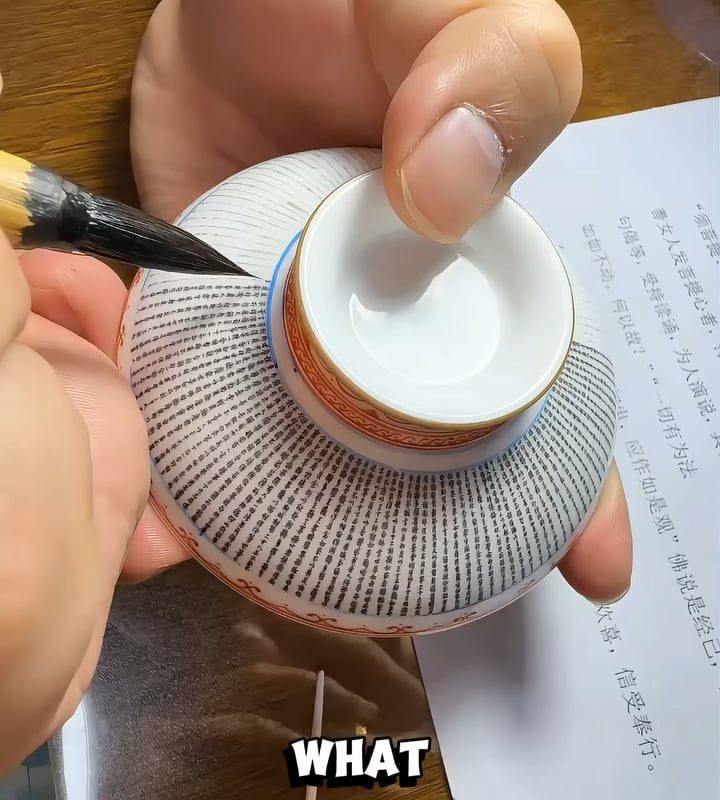
Stunning micro calligraphy on porcelain
Title: The Exquisite Art of Micro Calligraphy on Porcelain: A Journey of Precision and Beauty
Meta Description: Discover the delicate world of micro calligraphy on porcelain—its history, techniques, and contemporary significance. Explore how artisans transform fragile surfaces into timeless masterpieces.
Introduction
In the realm of fine craftsmanship, few art forms marry fragility and precision as elegantly as micro calligraphy on porcelain. This centuries-old practice transforms blank porcelain canvases into breathtaking miniature artworks, where every stroke tells a story. From teacups to vases, artisans wield microscopic scripts to create pieces that captivate collectors and art enthusiasts alike. In this article, we delve into the history, techniques, and modern revival of this stunning art form—a testament to human patience and creativity.
What is Micro Calligraphy on Porcelain?
Micro calligraphy involves inscribing intricate, minuscule text onto porcelain surfaces using specialized tools and steady hands. Often invisible to the naked eye without magnification, these inscriptions range from poetic verses and prayers to intricate geometric patterns. The contrast between the porcelain’s pristine white surface and the delicate ink or glaze creates a mesmerizing visual harmony, elevating everyday objects into heirloom-worthy treasures.
A Glimpse into History
-
Ancient Beginnings:
- Porcelain artistry originated in China during the Tang Dynasty (618–907 AD), but micro calligraphy flourished later under the Ming (1368–1644) and Qing (1644–1912) dynasties. Imperial artisans inscribed poems and dedications on teacups and bowls for emperors, blending literature with craft.
-
European Renaissance:
- By the 18th century, European porcelain manufacturers like Meissen and Sèvres adopted micro-calligraphic techniques to cater to aristocracy. Monograms, love notes, and religious texts adorned luxury tableware, symbolizing status and refinement.
-
Cultural Significance:
- In Islamic art, micro calligraphy often featured Quranic verses on ceramics, merging spirituality with aesthetics. Similarly, Japanese and Korean artisans incorporated microscopic kanji or hanja characters into pottery designs.
The Painstaking Process: How It’s Done
Creating micro calligraphy on porcelain demands unparalleled skill and patience:
-
Materials Matter:
- Porcelain: A smooth, high-fired base ensures durability.
- Inks & Glazes: Traditionalists use fine brushes with cobalt-based underglazes, while modern artists may opt for archival inks or gold leaf.
-
Tools of the Trade:
- Ultra-fine brushes (sometimes just a single hair!)
- Magnifying lenses or microscopes for precision.
- Steady-hand techniques, often developed over decades.
-
The Technique:
- Artists sketch designs lightly before inscribing.
- Each stroke must be flawless—errors can’t be erased on fired porcelain.
- Pieces are kiln-fired at high temperatures to set the calligraphy permanently.
Modern Masters & Contemporary Applications
Today, micro calligraphy on porcelain thrives as both a preservation of tradition and an innovative art form:
-
Notable Artists:
- Pu Lieping (China): Renowned for porcelain vases featuring microscopic Tang Dynasty poetry.
- Sara Abbasi (Iran): Merges Persian poetry with minimalist porcelain designs.
- Paul de Somma (USA): Creates sci-fi themed micro-calligraphic sculptures.
-
Contemporary Uses:
- Luxury Tableware: Brands like Hermès and Limoges commission bespoke calligraphic pieces.
- Jewelry: Miniature inscribed pendants or rings.
- Art Installations: Porcelain tiles with hidden texts that reveal stories under magnification.
Why Micro Calligraphy on Porcelain Captivates Collectors
- Rarity: Few artists master this demanding skill.
- Emotional Depth: Hidden messages or personal dedications add intimate value.
- Timelessness: Porcelain’s durability ensures these artworks endure for generations.
Preserving a Delicate Legacy
While technology advances, micro calligraphy remains a handcrafted art. Workshops in Jingdezhen (China’s “Porcelain Capital”) and Kyoto now teach this craft to new generations, ensuring its survival. Collectors and museums worldwide champion these pieces, recognizing them as cultural bridges between past and present.
Conclusion
Micro calligraphy on porcelain is more than an art form—it’s a meditation on patience, heritage, and beauty. Whether displayed in a gallery or cherished in a private collection, these miniature masterpieces remind us that greatness often lies in the smallest details. As this niche craft gains global admiration, it continues to redefine the boundaries of what’s possible on porcelain’s delicate canvas.
Call to Action
Inspired to explore micro calligraphy? Visit renowned porcelain galleries, follow contemporary artists online, or commission a personalized piece to own a fragment of this extraordinary legacy.
Keywords for SEO:
Micro calligraphy on porcelain, miniature porcelain art, porcelain calligraphy history, hand-painted porcelain, luxury ceramic art, fine craftsmanship, micro-art techniques, Chinese porcelain calligraphy, bespoke porcelain gifts.
By blending rich history, technical insight, and modern relevance, this article aims to rank for niche art enthusiasts while appealing to broader audiences fascinated by intricate craftsmanship.