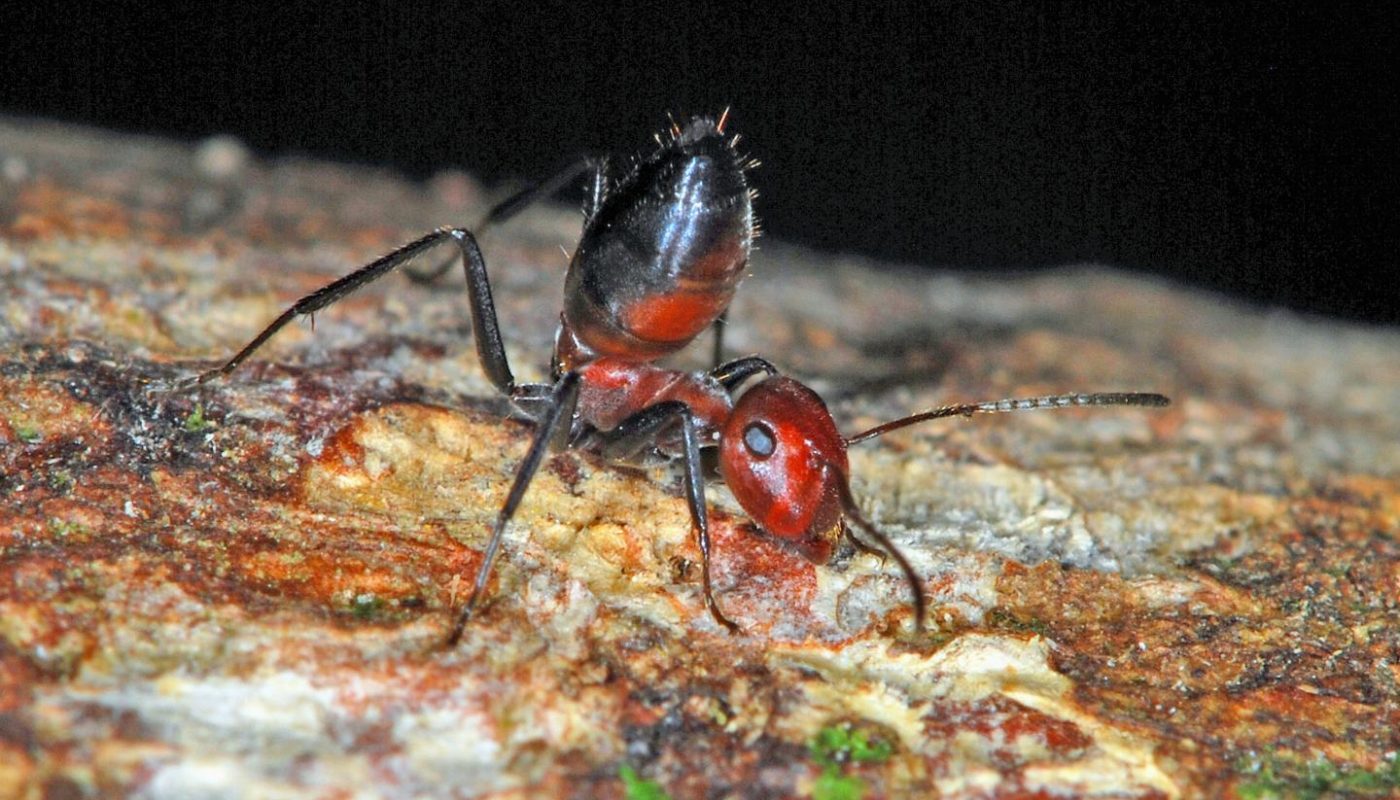
“Suicide Ants” (Colobobsis saundersi) In the forests of Southeast Asia, there is a species of ant with a terrifying yet fascinating defense strategy. When the colony is attacked by a predator and the ant cannot defeat it using conventional means, it explodes!
Title: Suicide Ants: The Exploding Insects of Southeast Asia – Nature’s Ultimate Sacrifice
Meta Description: Discover Colobopsis saundersi, the “suicide ants” that explode to protect their colony. Learn about their unique defense mechanism, habitat, and why they fascinate scientists.
URL Slug: /suicide-ants-exploding-defense
Introduction: Nature’s Kamikaze Defenders
In the dense rainforests of Southeast Asia, a tiny insect performs one of the animal kingdom’s most extreme acts of self-sacrifice. Colobopsis saundersi, better known as the “suicide ant” or “exploding ant,” has evolved a jaw-dropping defense strategy: when threatened, it explodes, releasing toxic chemicals to deter predators and save its colony. This blend of horror and heroism has captivated biologists and nature enthusiasts alike, revealing the extraordinary lengths social insects go to ensure their survival.
Meet the Exploding Ant (Colobopsis saundersi)
Colobopsis saundersi is a species of tree-dwelling ant found in Malaysia, Brunei, Thailand, and other parts of Southeast Asia. Measuring only 5–10mm in length, these ants resemble ordinary forest ants—until their defenses are triggered.
Key Characteristics:
- Specialized Workers: Only a subset of worker ants, called “minor workers,” possess the explosive capability.
- Unique Anatomy: Their bodies store enlarged mandibular glands filled with toxic, sticky secretions.
- Social Structure: Like other ants, they live in large colonies with queens, soldiers, and workers.
The Explosive Defense: How It Works
When a predator (e.g., spiders, ants from rival colonies, or small mammals) invades their nest, Colobopsis saundersi workers swarm to defend it. If biting or intimidation fails, they resort to “autothysis”—a voluntary self-destruction mechanism.
The Science Behind the Explosion:
- Muscle Contraction: The ant violently contracts its abdominal muscles.
- Rupture: This pressure causes its body wall to tear open.
- Toxin Release: A yellow, corrosive fluid is ejected from the mandibular glands, which immobilizes or kills attackers within close range.
- Death: The ant dies instantly, but the sticky toxin lingers, creating a barrier.
This defense isn’t just effective—it’s messy. Victims are often coated in a glue-like substance that smells like cedar wood due to its chemical makeup (primarily limonene and other terpenes).
Why Do They Do It? The Evolutionary Advantage
Self-sacrifice is rare in nature, but for social insects like ants, “altruistic suicide” makes evolutionary sense:
- Colony Survival: Protecting the queen and brood ensures the colony’s genetic future.
- Deterrence: The explosion’s toxicity and visual shock repel predators long-term.
- Energy Efficiency: Losing a few workers is preferable to the colony’s collapse.
Researchers believe this behavior evolved in response to the high predation pressure in Southeast Asia’s biodiverse forests.
Role in the Ecosystem
Despite their explosive end, suicide ants play a critical role in their habitat:
- Pest Control: They prey on smaller insects, balancing forest ecosystems.
- Nutrient Cycling: Their bodies contribute organic matter to the soil after death.
- Research Value: Their unique biochemistry inspires studies in biomaterials and defense mechanisms.
Scientific Research & Human Relevance
Biologists study Colobopsis saundersi to understand:
- Altruism in Nature: How do genes promote self-sacrifice?
- Chemical Defenses: Their toxins could inform new insecticides or medical treatments.
- Colony Communication: What signals trigger an ant to “decide” to explode?
Fascination vs. Fear: Should Humans Worry?
While “suicide ant” sounds terrifying, these insects pose no threat to humans:
- They only explode when directly threatened.
- Their toxins are mild compared to venomous snakes or spiders.
- Their small size limits damage beyond immediate predators.
Conservation Status & Threats
Like many rainforest species, Colobopsis saundersi faces threats from:
- Deforestation: Logging and palm oil plantations destroy their habitat.
- Climate Change: Alters microhabitats and food sources.
- Invasive Species: Aggressive ant species can outcompete them.
Conservation efforts focus on protecting Southeast Asia’s rainforests—home to countless undiscovered wonders.
Conclusion: A Humbling Reminder of Nature’s Complexity
The suicide ant’s explosive defense is a stark lesson in survival, sacrifice, and evolution. While their tactic may seem extreme, it underscores the incredible adaptability of life on Earth. Next time you walk through a rainforest, remember: even the tiniest creatures can harbor astonishing secrets.
FAQ About Suicide Ants
-
Q: Are all worker ants capable of exploding?
A: No—only minor workers possess this ability. -
Q: How do they differ from “explosive” termites?
A: Some termites also self-destruct, but ants use mandibular glands instead of salivary secretions. -
Q: Can their toxin kill humans?
A: No—the chemicals are designed for small predators. -
Q: How large are their colonies?
A: Colonies range from hundreds to thousands of ants. -
Q: Do the ants move slowly before exploding?
A: Yes! They often “freeze” and curve their abdomens before detonation.
Call to Action: Share this article to spread awareness about Earth’s most astonishing insects! For more wildlife wonders, subscribe to our newsletter or follow us on social media.
Target Keywords: suicide ants, exploding ants, Colobopsis saundersi, insect self-sacrifice, ant defense mechanisms, autothysis, rainforest insects.
Image Alt Text: Close-up of a Colobopsis saundersi ant on a leaf in Southeast Asia.
By blending shocking biology with ecological insights, this article aims to rank for high-traffic keywords while educating readers about one of nature’s most extreme survival strategies. 🌿🐜💥