The Aalsmeer Flower Auction in The Netherlands – where 40% of the international flower trade flows through
Title: The Aalsmeer Flower Auction: The Netherlands’ Blooming Powerhouse Driving 40% of the Global Flower Trade
Meta Description: Discover how the Aalsmeer Flower Auction (now Royal FloraHolland) in the Netherlands dominates the global flower trade, with 40% of cut flowers and plants worldwide passing through its electrifying auctions.
The Aalsmeer Flower Auction: The Netherlands’ Blooming Powerhouse Driving 40% of the Global Flower Trade
Imagine a place where 40% of the world’s flowers are bought and sold in a matter of hours every morning—a high-stakes floral stock exchange as vibrant as the flowers themselves. Welcome to the Aalsmeer Flower Auction (now officially Royal FloraHolland), the beating heart of the international flower trade located in the Dutch town of Aalsmeer, Netherlands. As the largest trading platform for flowers and plants globally, this sprawling complex fuels the global supply chain for roses, tulips, orchids, and more. Here’s why it’s a cornerstone of the horticultural world.
What is the Aalsmeer Flower Auction?
The Aalsmeer Flower Auction, operating under the name Royal FloraHolland, is a cooperative marketplace where growers, wholesalers, exporters, and retailers from over 100 countries converge daily. Founded in 1911, it began as a small local auction but now handles:
- 20 million flowers traded daily (peak season).
- 40% of global flower exports, including cut flowers, potted plants, and foliage.
- Transactions for 12,000 growers (mainly Dutch but also international).
- Revenue exceeding €5 billion annually.
The auction complex covers 1 million square meters—making it one of the largest commercial buildings in the world, larger than 200 football fields!
The Dutch Auction System: Speed, Efficiency, and Drama
Flowers are highly perishable, so Royal FloraHolland’s auctions are designed for lightning-fast decisions using the unique “Dutch Auction” method:
- Clock-Driven Bidding: Buyers watch a descending price clock; the first to press a button wins the lot at the displayed price.
- Early Morning Frenzy: Auctions start at 6:30 AM, with thousands of transactions completed by mid-morning.
- Digital and Physical Power: While much of the auction is now online, visitors can still witness dramatic bidding in historic auction halls.
By noon, flowers are packed, shipped, and en route to florists in New York, Tokyo, or Dubai—often within 24 hours of harvest.
Behind the Scenes: A Logistics Marvel
The auction’s scale requires military-level precision:
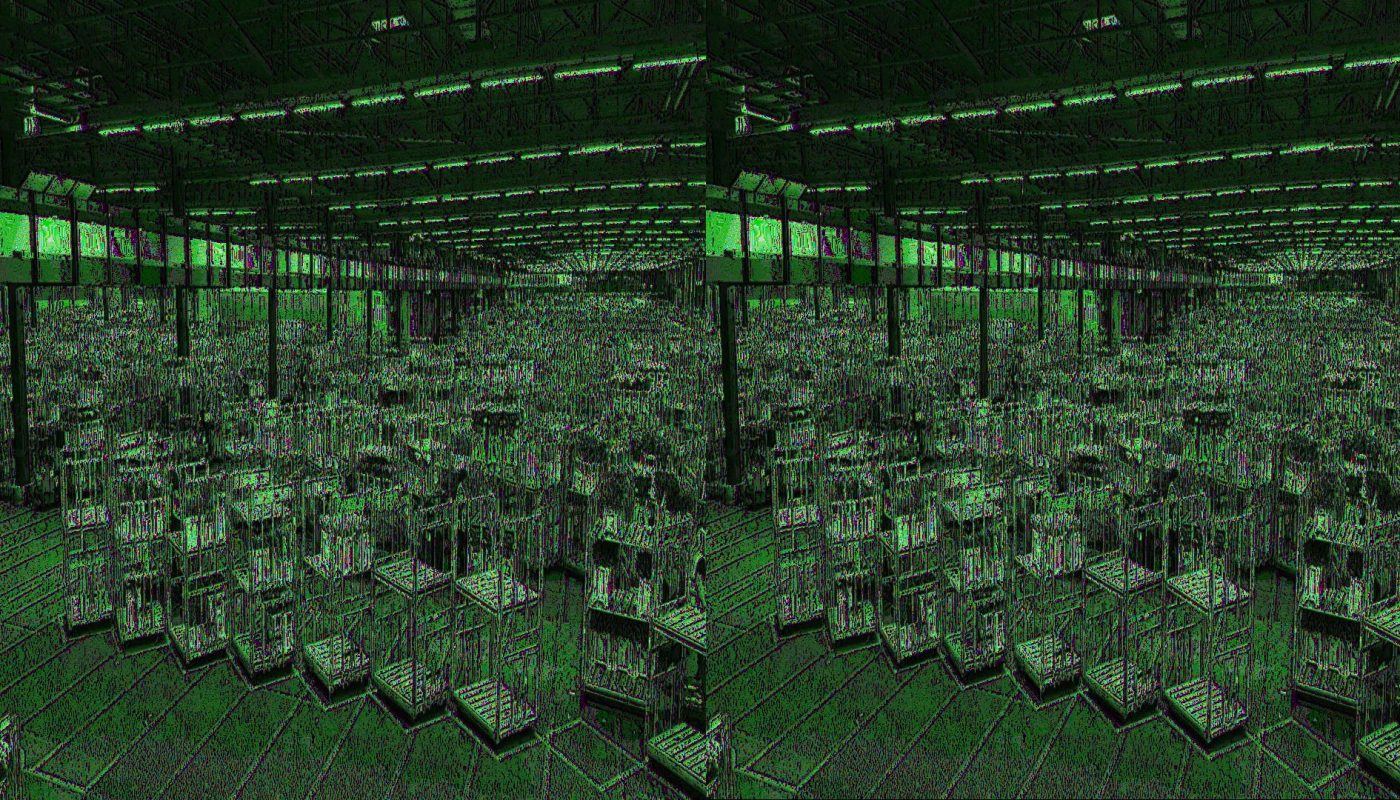
- Robotic Carts: Automated guided vehicles (AGVs) transport trolleys of flowers across the warehouse.
- Cold Chain Mastery: Flowers arrive from growers in temperature-controlled trucks, stored in cold rooms until auctioned.
- Global Network: Export hubs at Schiphol Airport ensure same-day flights to Europe, Asia, and the Americas.
This efficiency ensures freshness—critical when a single rose can lose up to 15% of its value per day.
Why Aalsmeer? How the Netherlands Dominates the Flower Trade
The Netherlands’ floral supremacy isn’t accidental. Key factors include:
- Centuries of Expertise: Dutch growers pioneered greenhouse technology and hybridization.
- Geographical Advantage: Schiphol Airport and Rotterdam Port provide seamless global access.
- Cooperative Model: Growers pool resources for collective bargaining power.
Today, the auction handles 90% of Dutch flower exports, anchoring the country’s €12 billion horticulture industry.
For Visitors: A Tourist Hotspot
The Visitor Center at Royal FloraHolland offers a front-row seat to this floral spectacle:
- Early-Morning Tours: Watch auctions live (weekdays, 7–9 AM).
- Interactive Exhibits: Learn how flowers travel from seed to vase.
- Bloom Shops: Buy fresh bouquets at wholesale prices.
Tip: Combine your visit with Keukenhof Gardens (30 minutes away) during tulip season (April–May).
Sustainability in Bloom
Royal FloraHolland leads in reducing the flower trade’s environmental footprint:
- Certified Green: “Floriculture Sustainability Initiative” ensures fair labor and eco-friendly farming.
- Energy Transition: Solar panels, electric transport, and plans for climate-neutral operations by 2027.
Why It Matters to the World
From Valentine’s roses to hospital chrysanthemums, chances are those blooms passed through Aalsmeer. This auction:
- Stabilizes global supply chains.
- Dictates international flower prices.
- Innovations here shape agricultural tech worldwide.
Conclusion
The Aalsmeer Flower Auction is more than a marketplace—it’s the lifeblood of an industry that brings joy, comfort, and beauty to millions daily. Its blend of tradition, technology, and tenacity keeps the Netherlands at the forefront of the global flower trade.
Whether you’re a grower, buyer, or simply a flower lover, the auction’s story is a testament to how innovation can keep even the most delicate industries thriving.
FAQ Section
Q: Can anyone attend the Aalsmeer Flower Auction?
A: Yes! Public tours are available daily. Book in advance via Royal FloraHolland’s website.
Q: What’s the best time to visit?
A: Mornings (Mon–Fri) for live auctions, or Mondays for peak activity. Avoid weekends (no auctions).
Q: How did the auction influence Dutch culture?
A: It’s embedded in the economy—1 in 10 Dutch jobs relate to agriculture/flowers.
Q: What flowers dominate the trade?
A: Roses (35%), tulips, chrysanthemums, and gerberas.
Keywords for SEO:
Aalsmeer Flower Auction, Royal FloraHolland, Netherlands flower market, Dutch auction system, global flower trade, flower export hub, horticulture industry, visit Aalsmeer, flower logistics, largest flower auction.
Optimize your floral knowledge—this piece blossoms with insights for gardeners, travelers, and entrepreneurs alike! 🌷💐